Discover Honey Varieties
From the mild and floral to the dark and robust. Explore the diverse flavors, colors, and origins of honey varieties.
Featured Varieties
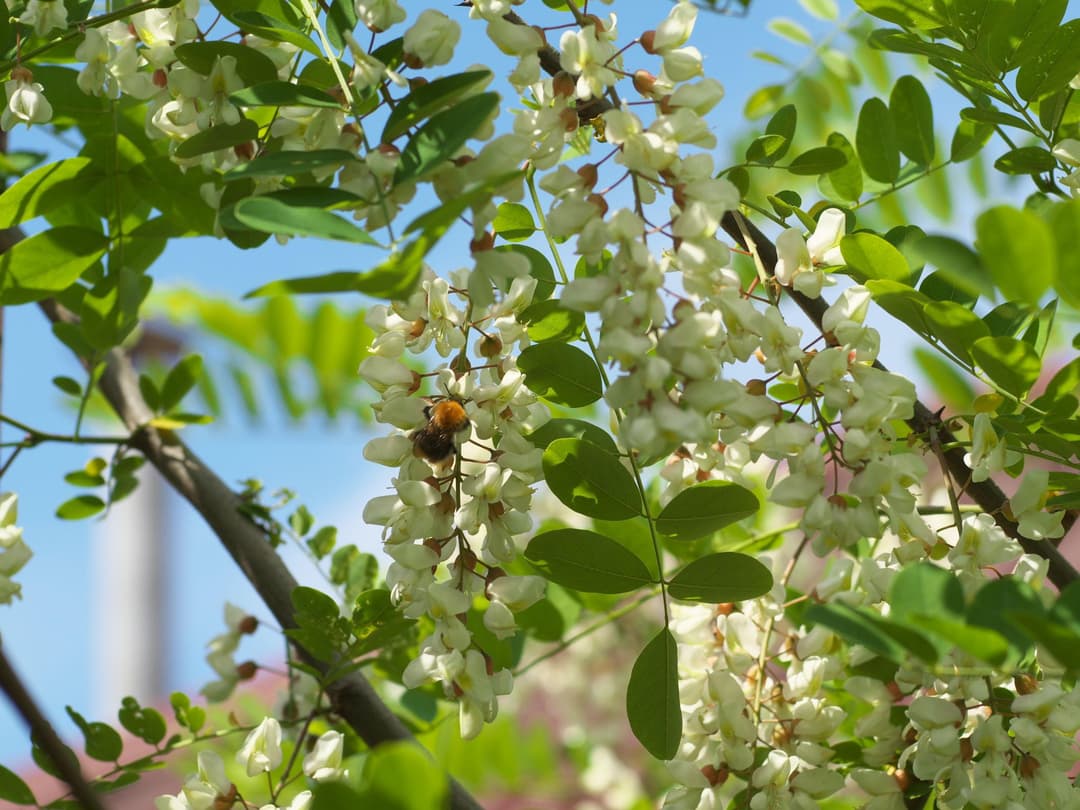
Acacia (European Black Locust)
The premier liquid honey. Harvested from Black Locust trees, Acacia honey is almost transparent and stays liquid for years. It has a delicate, vanilla-floral flavor that is very sweet but light. It is the preferred honey for sweetening tea or coffee because it does not alter the beverage's flavor profile.
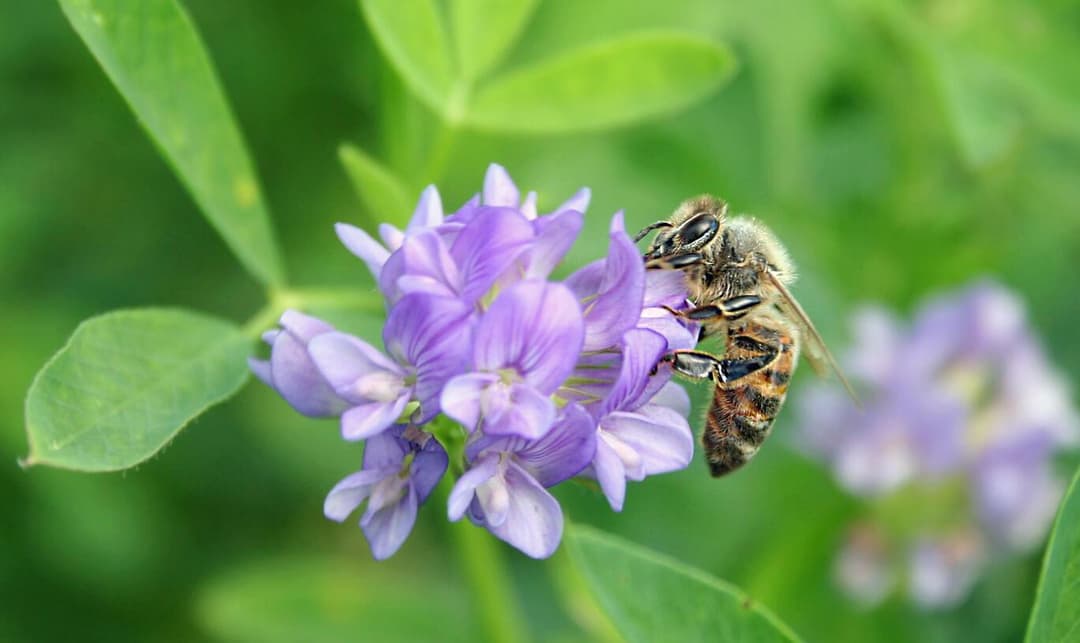
Alfalfa
Produced abundantly throughout the Western United States and Canada, Alfalfa honey is harvested during the summer months when the purple flowers bloom in hot, dry climates. It is white to extra-light amber in color with a subtle, spicy, and mildly floral flavor profile. Because of its high glucose content, this honey crystallizes very rapidly, often becoming solid in the jar, which makes it a preferred variety for creaming or whipping.
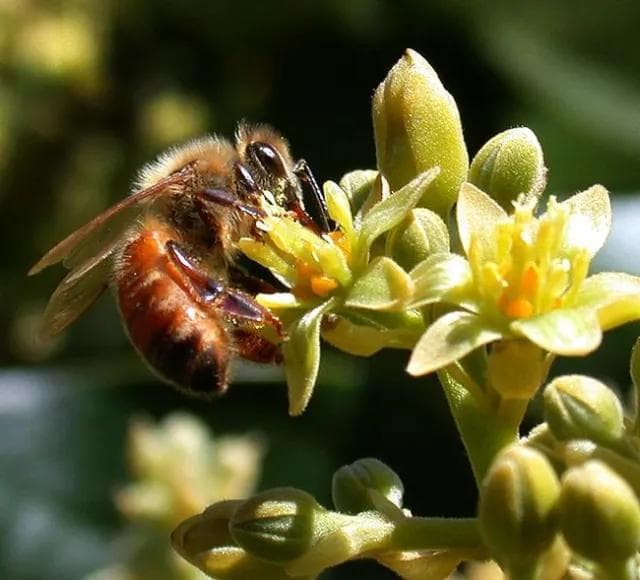
Avocado Blossom
Collected primarily in Southern California and Mexico, Avocado honey is harvested in the spring. Unlike the light fruit blossoms, this honey is dark amber to black, featuring a robust, molasses-like flavor with nutty and buttery notes. It is rich in antioxidants and minerals, making it a favorite for savory culinary applications like glazing meats or replacing brown sugar.
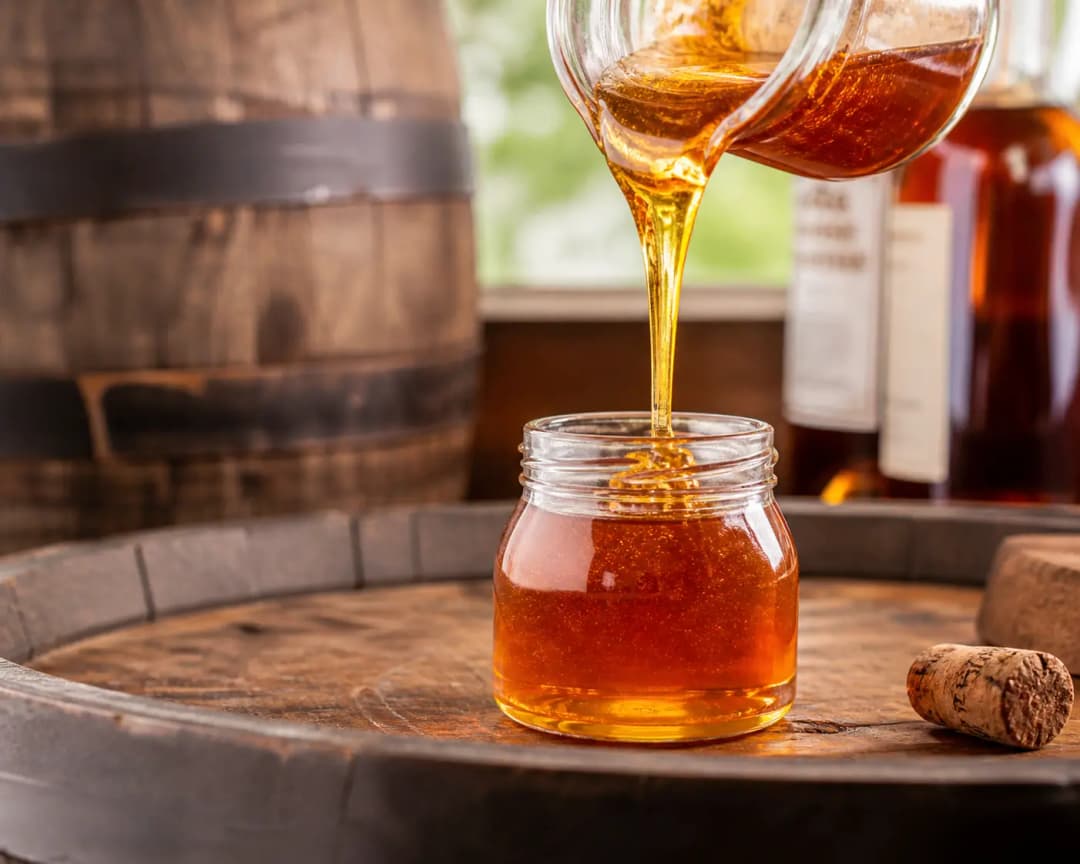
Barrel Aged
This is an artisanal style rather than a floral variety. Raw honey (typically a mild wildflower or clover base) is aged in charred oak barrels previously used to age spirits like bourbon, whiskey, rum, or brandy. Over several months, the honey absorbs the smoky, vanilla, and woody essences from the oak and the subtle kick of the spirit, creating a sophisticated, non-alcoholic gourmet syrup.
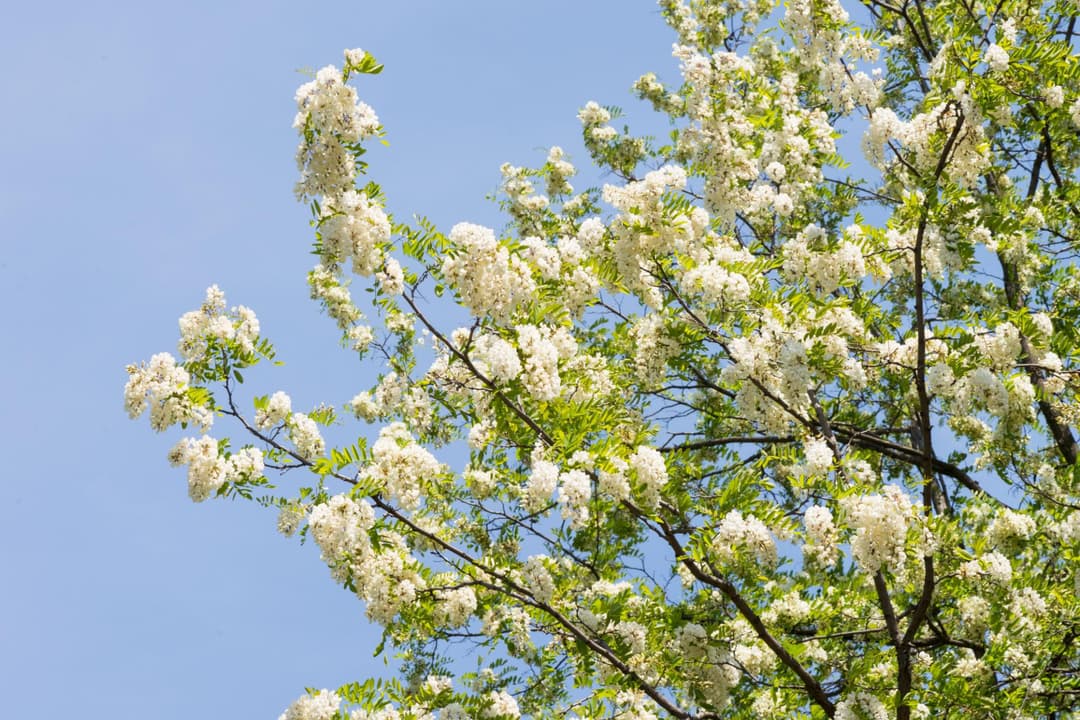
Black Locust (American Acacia)
Produced in the Appalachian region and parts of Europe from the short-blooming Black Locust tree. It is one of the clearest honeys available, often appearing water-white. Due to its very high fructose-to-glucose ratio, it resists crystallization for years, remaining liquid longer than almost any other variety. Its flavor is incredibly mild and sweet, often described as having vanilla or candy-like notes.
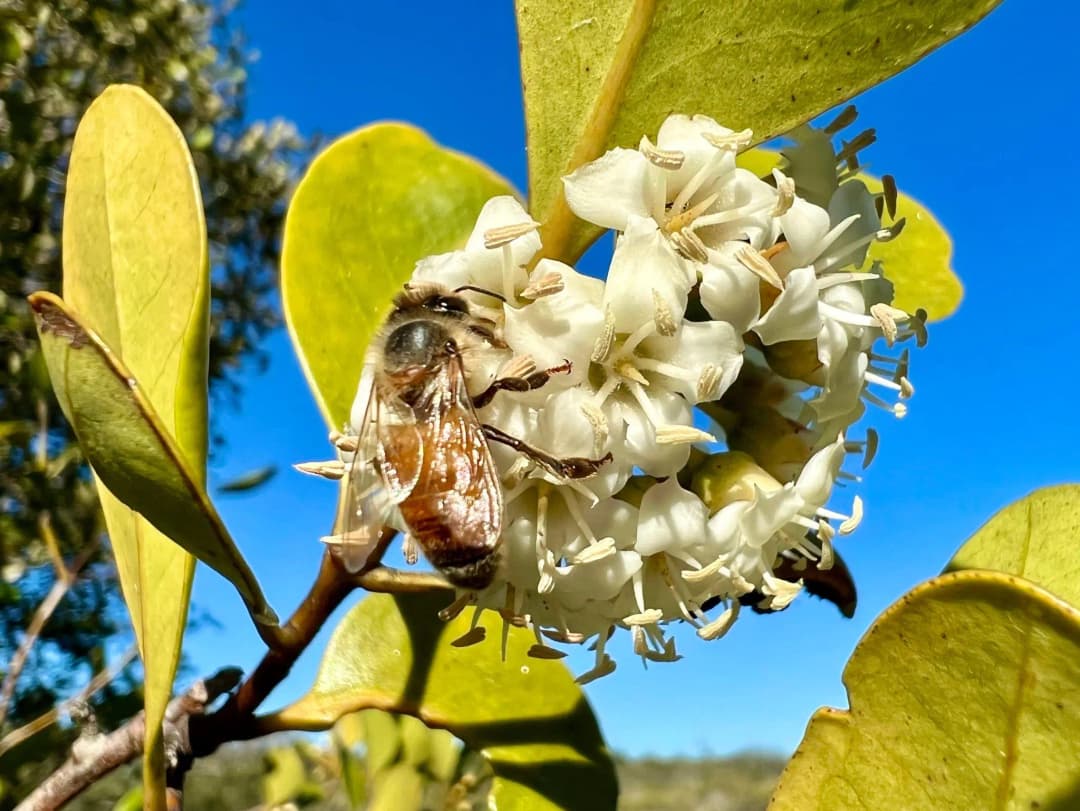
Black Mangrove
Harvested from the coastal mangrove forests of Florida (particularly the Keys and Mosquito Lagoon). Produced in mid-summer, this honey is famous for its unique sweet-salty profile, derived from the trees growing in brackish water. It is rare, largely due to habitat loss, and is highly prized for its rich mineral content.
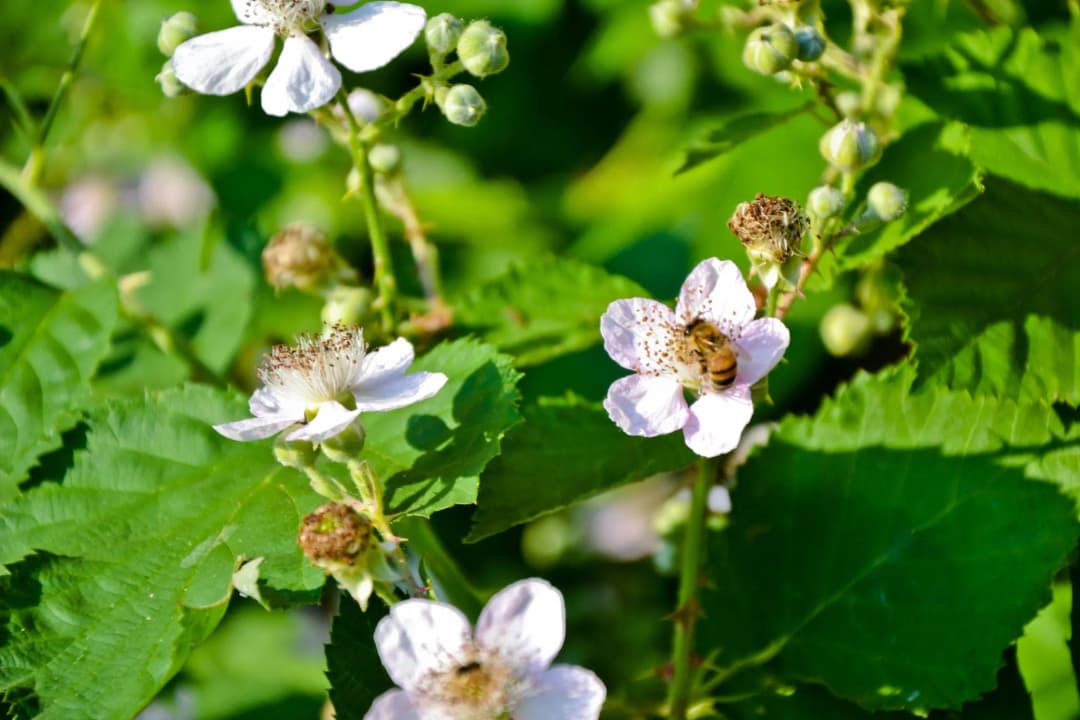
Blackberry
Gathered from the wild brambles of the Pacific Northwest and the Appalachian mountains during early summer. This honey is typically light to medium amber and captures the essence of the berry patch. It offers a rich, smooth texture with a fruity, rounded flavor profile. It is considered a "thick" honey and pairs exceptionally well with strong cheeses like Stilton.
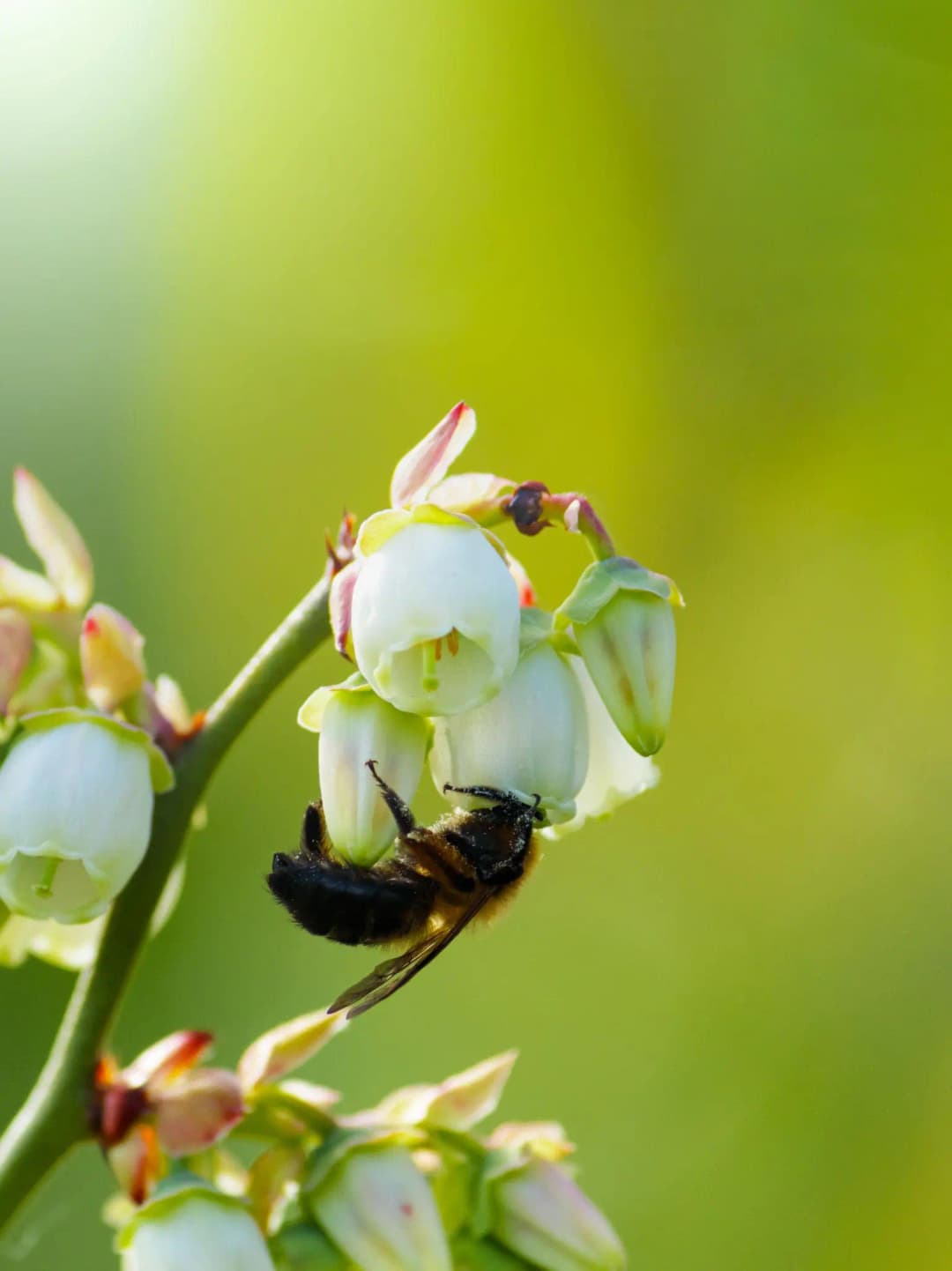
Blueberry
Harvested from the blueberry barrens of Maine, Michigan, and the Pacific Northwest. Bees are brought in to pollinate the bushes in late spring, producing an amber-colored honey with a pleasant, full-bodied flavor. It has a slightly tangy finish and a fruity "twang" that distinguishes it from wildflower blends. It is an excellent table honey for breakfast foods.
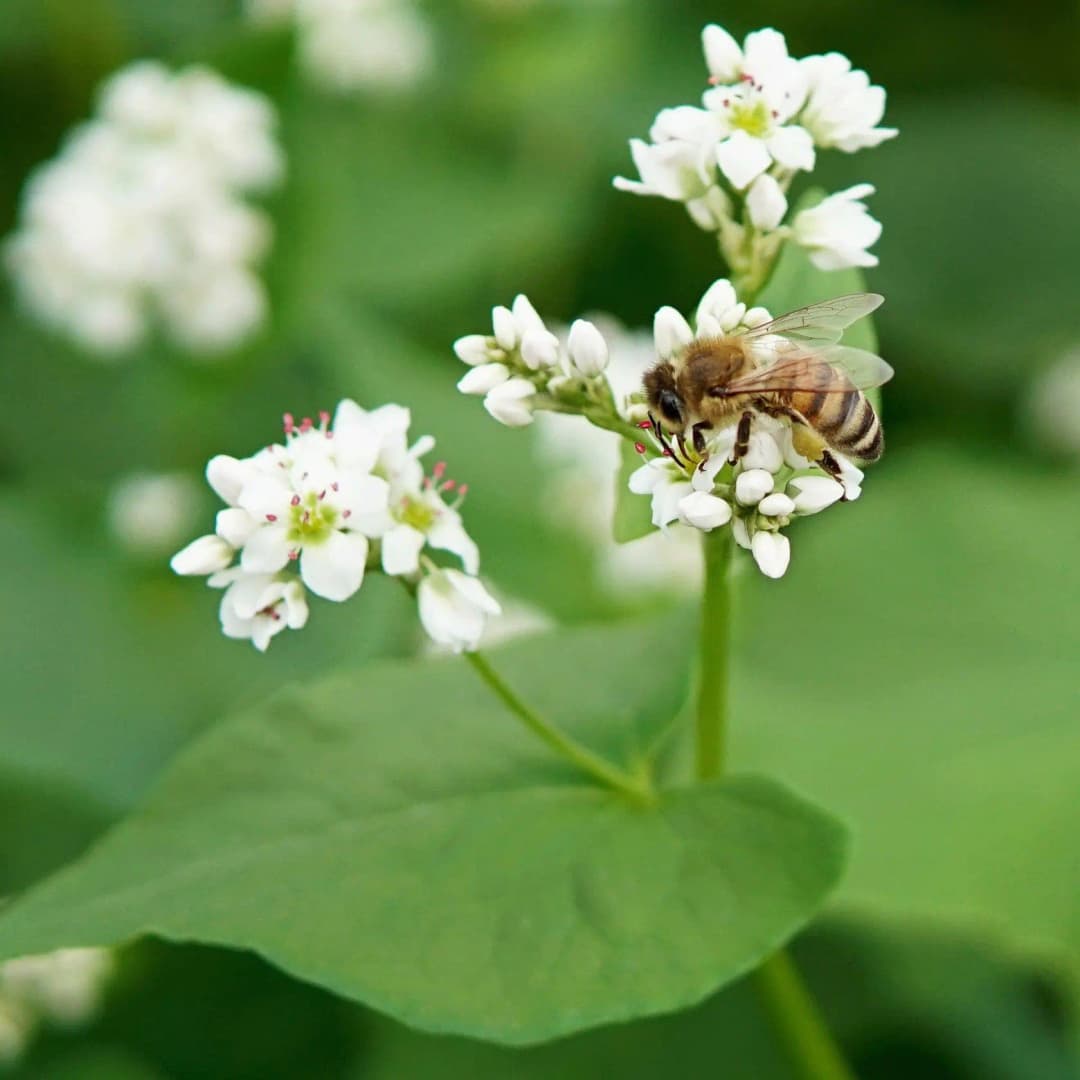
Buckwheat
Produced in the cool, moist climates of the Northern U.S. (like New York and Ohio) and Canada. Harvested late in the season, this honey is dark purple to black. It is valued for its high antioxidant content, often exceeding that of lighter honeys. The flavor is pungent, earthy, and malty, comparable to molasses, and is widely used as a natural cough suppressant.
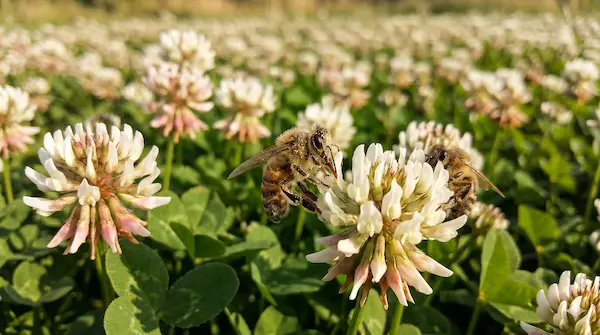
Clover
The most widely produced honey in North America, harvested from White, Red, and Sweet Clover in vast open pastures during the summer. It sets the industry standard for "honey" flavor: mild, floral, and pleasantly sweet with a hint of cinnamon or nutmeg. It crystallizes relatively quickly into a fine, white solid, making it versatile for baking and everyday use.
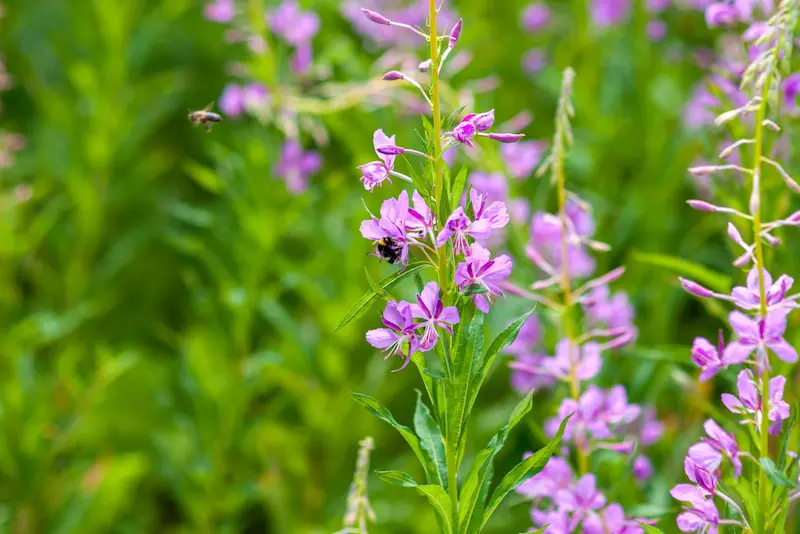
Fireweed
Native to the Pacific Northwest, Canada, and Alaska, harvested in late summer. The plant is a "pioneer species" that grows aggressively in burned-over areas. The honey is known as the "Champagne of Honeys" for its water-white color, smooth texture, and delicate, tea-like flavor. It is a premium varietal that is increasingly rare due to habitat changes.

Huajillo
The premier honey of South Texas, harvested from the drought-resistant Guajillo shrub in the "Brush Country." Known locally as "Fudge Honey," it is extremely light, water-white, and has a mild, creamy flavor. It is very high in glucose and crystallizes quickly into a velvety solid.

Manuka
Exclusive to New Zealand and parts of Australia, harvested from the Leptospermum scoparium bush. It is the only honey rated by a UMF (Unique Manuka Factor) scale for its therapeutic properties. It is dark, thixotropic (gel-like until stirred), and has a strong, earthy, herbaceous flavor with a slightly bitter finish, primarily used for wellness rather than table sweetness.

Orange Blossom
Produced in the warm citrus belts of Florida, California, and Texas. This honey is harvested in the spring when the air is thick with the scent of orange blossoms. It is light amber and highly aromatic, tasting distinctly of citrus fruit and flowers. It is one of the most popular table honeys in America, often synonymous with "Florida Honey."

Sage
Produced in the foothills of California from Black Button Sage and Purple Sage. This honey is water-white and has a mild, non-intrusive flavor. It is highly valued because it almost never crystallizes due to its high fructose content. However, sage is a fickle plant that only produces nectar in years with specific rainfall patterns, making this honey a premium vintage.
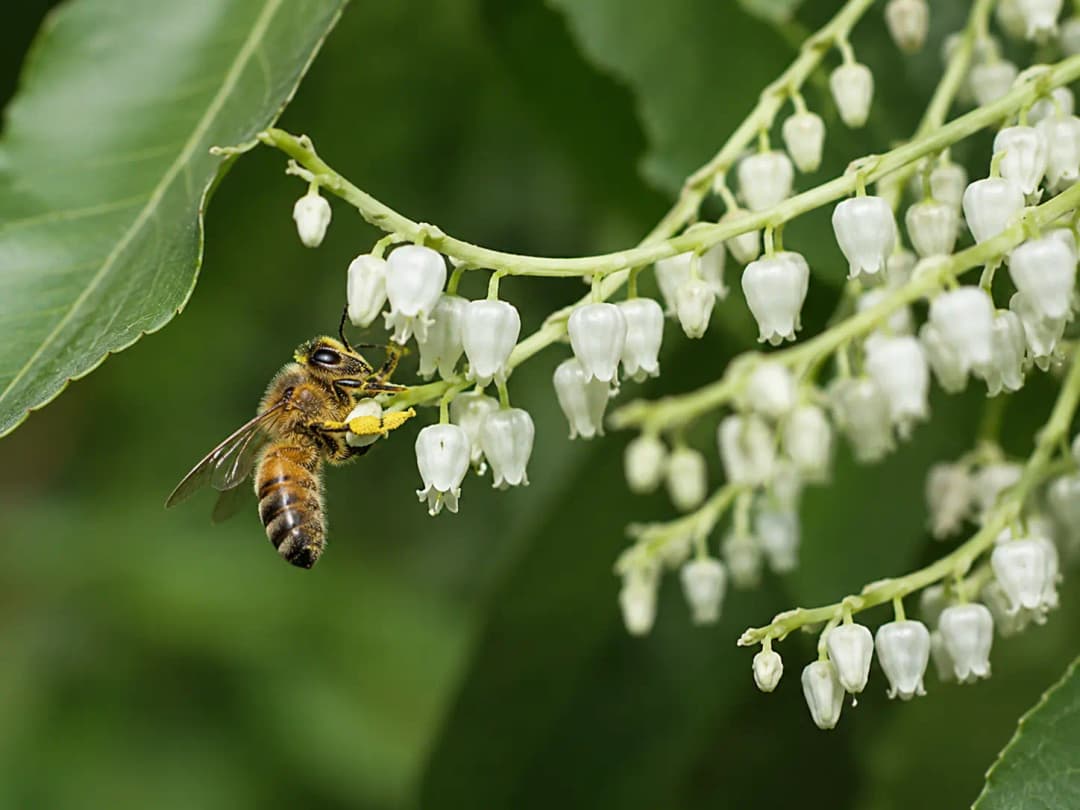
Sourwood
A premier honey from the Appalachian Mountains (Georgia, Tennessee, North Carolina). Harvested in mid-summer from the lily-of-the-valley-like flowers of the Sourwood tree. It is prized for its complex flavor profile of caramel, anise, and buttery spice. It has a cult following in the South and typically commands a higher price point than other regional varietals.

Tupelo
The "Gold Standard" of honey, harvested exclusively from the White Tupelo trees in the Apalachicola and Ogeechee river basins of Florida and Georgia. Produced during a brief two-week window in spring, this light golden honey is famous for its high fructose ratio, which prevents it from granulating. It has a smooth, buttery texture and a complex floral flavor with hints of pear.

Wildflower
The ultimate seasonal snapshot of a region. "Wildflower" is a poly-floral variety, meaning the bees visited typically dozens of different blooming species to create it. Because the nectar sources vary by location and time of year (Spring vs. Autumn), the color can range from golden to dark amber, and the flavor is robust, complex, and full-bodied.
All Varieties (A-Z)

Agave
Harvested in the desert regions of Mexico and the Southwest. While Agave is famous for syrup (sap) and tequila, bees do visit the towering flower spikes for nectar. The resulting honey is distinct from agave syrup—it is amber-colored with a warm, caramel and mineral flavor profile that speaks to the desert soil.
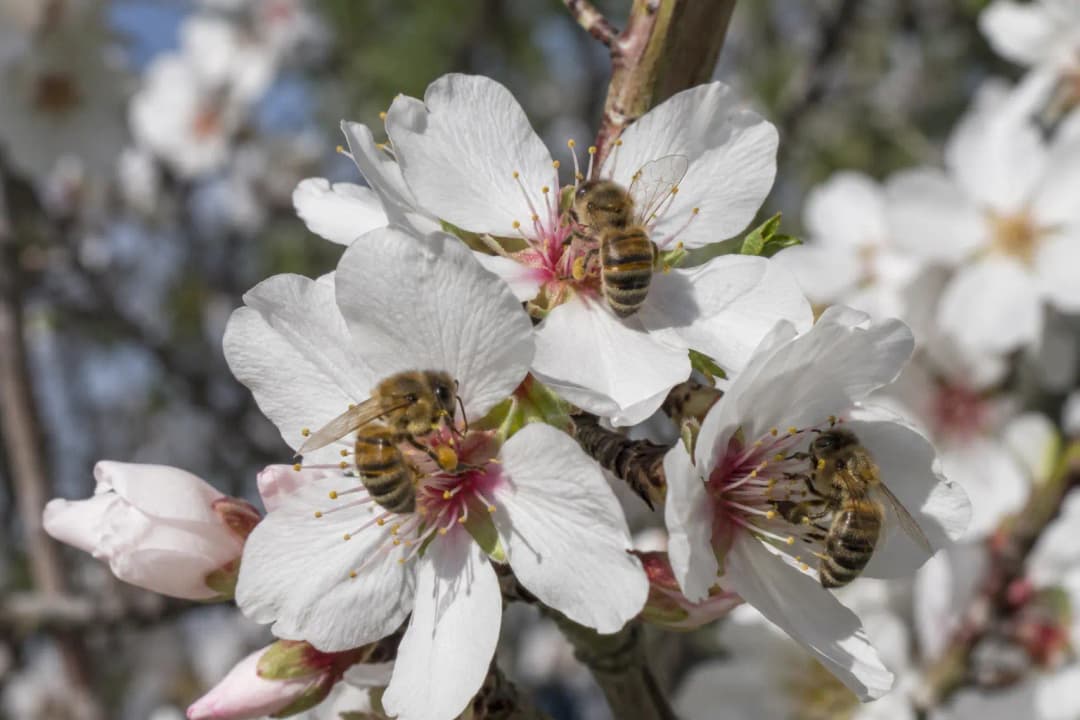
Almond Blossom
Harvested in California during the massive almond pollination event in February. This honey is widely misunderstood—pure almond honey contains amygdalin and can be bitter. However, the honey harvested is often a mix of almond and early wild mustard. It is dark, nutty, and strong-flavored, primarily used by commercial bakeries rather than sold as a table varietal.

Apple Blossom
Harvested from apple orchards in the Northeast and Pacific Northwest during the brief spring pollination season. This honey is a rare treat because bees consume much of the nectar to build up their colonies after winter. It possesses a pleasant, light amber color and a distinctively sweet, floral flavor with subtle fruity undertones that actually hint at the apple fruit itself.

Apple Blossom-Clover Blend
A blend that signals the arrival of spring and early summer. The faint fruitiness of Apple Blossom honey is boosted by the reliable sweetness of Clover. This honey is generally light amber and very sweet, making it a favorite for children and a perfect natural sweetener for fruit smoothies.

Aspen
Produced primarily from honeydew on Aspen trees, as the catkins produce pollen but little nectar. This is a forest honey, dark and rich in minerals. It lacks the floral bouquet of blossom honeys, offering instead a malty, earthy, and savory sweetness that pairs well with hearty breads and strong cheeses.
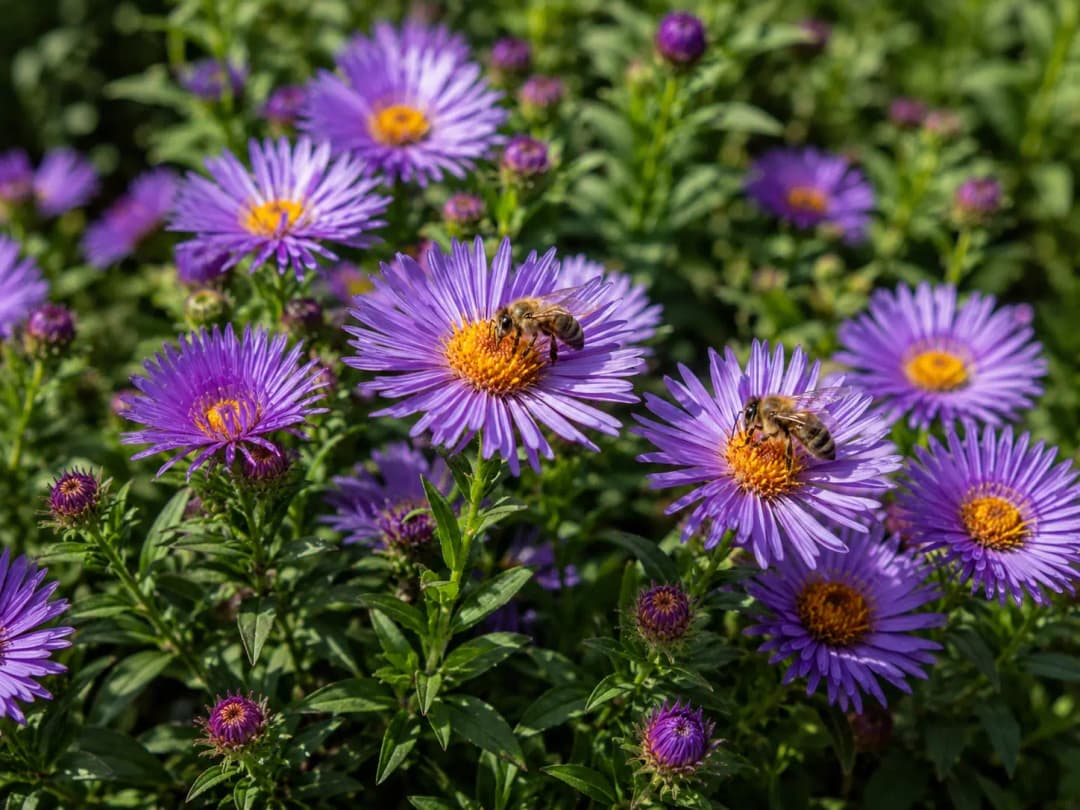
Aster
Harvested in late autumn across the U.S., often alongside Goldenrod. Aster honey is distinctive for its rapid crystallization—it can solidify in the comb within days if not extracted. It is very light in color (water white) and has a distinctively sweet, floral, and slightly pungent aroma. Connoisseurs prize it for its candy-like smoothness when creamed.
Avocado-Buckwheat Blend
A blend of the "dark side." It marries the molasses-rich, buttery flavor of Avocado honey with the earthy, malty pungency of Buckwheat. This is a heavy, black honey rich in minerals and antioxidants. It is savory, bold, and robust—ideal for BBQ glazes, brown bread, or as a molasses substitute.
Balsam
Produced from the Jewelweed (Touch-Me-Not) plant in wetlands and riverbanks. This honey is a curiosity because it is exceptionally hydrophobic and resists mixing with water. It is dark amber with a mild flavor, but it is rarely found pure because it is usually harvested alongside goldenrod or aster in the late season.
Barberry
Harvested from the Barberry shrub, common in New England and Europe. The honey is amber-colored and is known for a unique tanginess. It has a complex flavor that combines sweetness with a subtle tart or acidic finish, similar to the red berries the plant produces. It is excellent for cutting through the fat of rich meats.
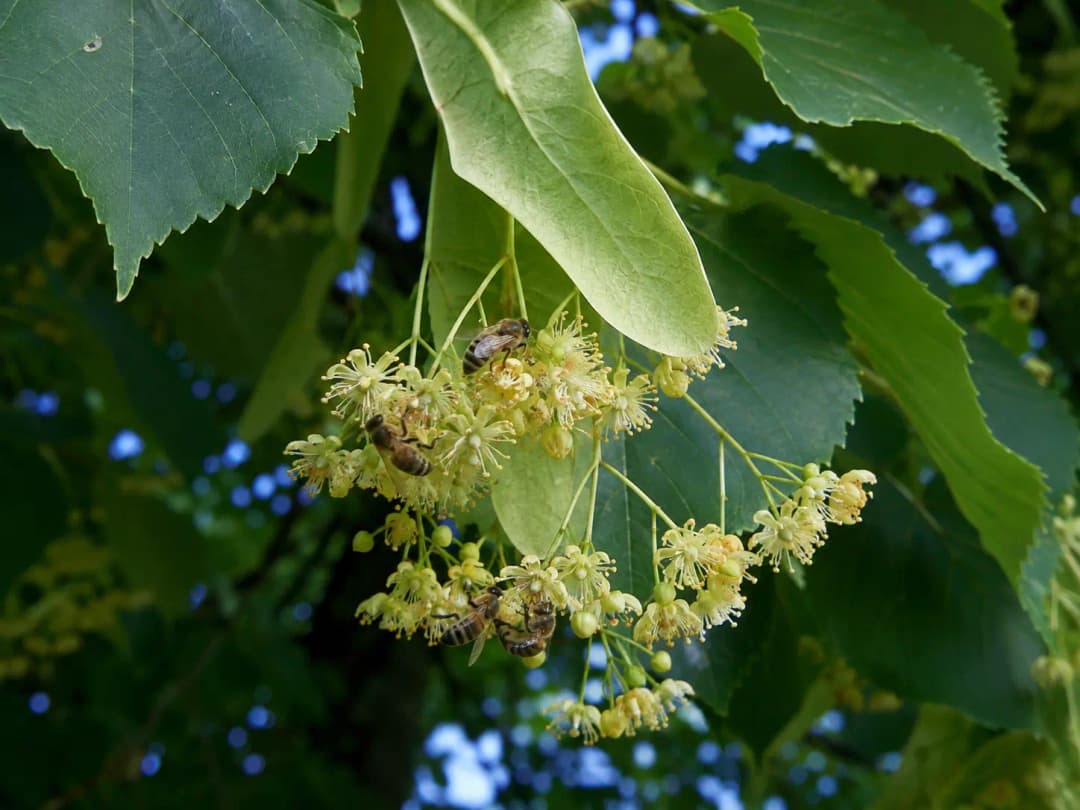
Basswood
Sourced from the North American Basswood tree (Tilia americana), found from the Midwest to the Northeast. Produced during a short, intense flow in early summer, this water-white honey is famous for its biting, distinctive flavor that lingers on the palate. It is highly active enzymatically and is prized by connoisseurs for its complex, woody, and slightly minty notes.
Basswood-Clover Blend
A refreshing Midwest blend. The minty, biting "green" notes of Basswood (Linden) honey are softened by the mild sweetness of Clover. This creates a light-colored honey with a unique flavor twist—sweet and creamy, but with a fresh herbal finish that wakes up the palate.
Bay Laurel
Sourced from the Laurel forests of the Mediterranean or ornamental trees in milder climates. This honey is rare and potent. It possesses a dark amber color and a rich, savory profile with herbal notes reminiscent of the bay leaf itself. It is often used in marinades for red meats rather than as a dessert honey.
Bee Balm
Sourced from the Monarda plant (Wild Bergamot), a native North American wildflower. The honey is light with a greenish cast and is highly aromatic. It carries a distinct herbal, minty, and citrusy flavor profile (reminiscent of Earl Grey tea). It is a favorite for sweetening herbal teas due to its complementary flavor notes.
Bitterbush
A specialty honey from the Caribbean (especially Jamaica). As the name implies, the nectar produces a honey with a distinct bitter aftertaste, similar to dark chocolate or strong coffee. It is not a table honey for children, but a gourmet ingredient prized by chefs for cutting through the richness of heavy stews and sauces.
Blackberry-Clover Blend
A fruit-and-field blend. The fruity, jam-like depth of Blackberry honey adds character to the neutral sweetness of Clover. The result is an amber honey that tastes traditional but finishes with a subtle berry tang. It is an excellent choice for biscuits or sweetening plain yogurt.
Blackberry-Raspberry Blend
A "Berry Patch" blend harvested in early summer. It combines the fruity, light amber notes of Raspberry honey with the slightly deeper, rich body of Blackberry honey. The result is a perfect balance of fruitiness and sweetness, with a smooth texture that is ideal for spreading on morning toast or biscuits.
Blue Borage
Harvested in New Zealand from the Vipers Bugloss plant (locally called Blue Borage). It is a light amber honey with a distinctive, slightly herbal flavor and a delicate floral bouquet. It is unique for its high fructose levels, which keep it liquid and smooth for a long time, making it a popular alternative to Acacia.
Blueberry-Raspberry Blend
A Northern fruit blend, often from Michigan or Maine. This honey marries the tangy, earthy "twang" of Blueberry honey with the delicate, floral sweetness of Raspberry honey. It is an amber honey with a complex fruity profile that makes it a superior choice for sweetening yogurt or oatmeal.
Borage
Harvested from the Starflower (Borage), an herb with bright blue flowers. The honey is incredibly clear—almost like water—and is very slow to crystallize. It has a delicate, mild flavor that is barely sweet with a clean finish. It is often used by chefs who want to add sweetness without altering the flavor profile of a dish.
Brazil Nut
Harvested in the Amazon rainforests of Bolivia and Brazil. While the Brazil Nut tree is famous for its nuts, the nectar produces a rich, dark amber honey. It has a nutty, full-bodied flavor with hints of butterscotch and malt. It is highly organic by nature, collected from deep within wild forests away from commercial agriculture.
Buckwheat-Clover Blend
A "Light and Dark" mix. Pure Buckwheat can be overpowering; blending it with Clover dilutes the barnyard notes while retaining the maltiness. This creates a medium-dark honey that looks like maple syrup and has a rich, caramel flavor that appeals to a wider audience than pure buckwheat.
Buckwheat-Fireweed Blend
A study in contrasts. This blend mixes the dark, molasses-heavy Buckwheat with the crystal-clear, delicate Fireweed. It creates a medium-dark honey that retains the earthy health benefits of Buckwheat but is lighter and more palatable for everyday use thanks to the Fireweed.
Cactus Blossom
Harvested in the deserts of Arizona, New Mexico, and Texas during the spring bloom of Saguaro, Prickly Pear, and Cholla cacti. This honey is surprisingly light in color, often semi-transparent. It possesses a mild, sweet flavor with subtle floral notes and a unique viscosity. It is a rare regional treat that captures the fleeting beauty of the desert bloom.
California Poppy
Sourced from the iconic orange blooms of the California state flower. While poppies are pollen-rich and nectar-poor, in good years they contribute to a unique honey. It is amber-colored with a distinct floral aroma and a flavor that is slightly herbal and fruity. It is a regional novelty that captures the essence of the West Coast spring.
Canola
Produced from the massive yellow fields of the Canola (Rapeseed) plant in Canada and the Northern U.S. This honey is white, mild, and has a very low moisture content. It is famous for crystallizing incredibly fast (often in the comb), making it the primary source for commercial creamed honey.
Carob
Harvested from Carob trees in the Mediterranean basin. The honey is dark brown and crystallizes into a coarse, sugary texture. It tastes remarkably like the carob pod itself—warm, chocolatey, and malty with herbal undertones. It is a traditional sweetener in Mediterranean baking and pairs beautifully with nutty desserts.
Carrot
Produced in agricultural regions (like Central California) where carrots are grown for seed. The honey is dark amber and crystallizes rock-hard very quickly. It has a strong, robust flavor that is earthy and slightly savory, distinct from the vegetable itself. It is a favorite for baking spice cakes and muffins.
Catclaw
Produced in the arid deserts of Arizona and Texas from the Catclaw Acacia. This honey is harvested in the spring and is known for its heavy body and intense sweetness. It is a rare regional treat that is highly sought after by locals for its comforting, classic honey taste.
Cattail
Sourced from wetlands and marshes where Cattails (Typha) dominate. While cattails are primarily wind-pollinated, bees collect the abundant pollen and honeydew secretions found on the plants. The resulting honey is often dark and rich, with an earthy, vegetal flavor profile that distinguishes it from floral nectars. It is considered a niche varietal often found in swamp blends.
Cherry
Sourced from cherry orchards, particularly in Michigan and Washington, during the first warm days of spring. This is a "starter" honey for hives, meaning pure surplus is rare and highly seasonal. It has a medium amber color and a sweet, fruity flavor profile that carries a hint of almond or amaretto, derived from the cherry pits and pollen.
Chestnut
A classic Italian and French varietal (Castagno), harvested in early summer. This honey is dark brown to black and stays liquid for a long time. It is not for the faint of heart—the flavor is complex, savory, leather-like, and distinctly bitter. It is almost never used as a sweetener, but rather paired with aged cheeses or used in rustic meat dishes.
Chicory
Harvested from the blue Chicory flowers often seen along roadsides. This honey is rare as a varietal. It is yellow-gold and has a distinct lemon-like flavor note. It is savory and less cloying than other floral honeys, making it an interesting choice for culinary vinaigrettes.
Christmas Berry
Produced largely in Florida and Hawaii from the Brazilian Pepper tree (often called Christmas Berry due to its red winter fruits). Harvested in late autumn and winter, this honey has a slight greenish hue and a distinctively spicy, peppery aftertaste. It is a controversial plant (invasive) but produces a beloved, zestful honey.
Clover-Alfalfa Blend
The classic "Western Blend." By combining the rapid crystallization and mild spice of Alfalfa with the sweet, cinnamon-floral notes of Clover, this blend creates a perfectly balanced table honey. It is usually light amber and is the standard profile for "Grade A" commercial honey found in supermarkets.
Clover-Dandelion Blend
The "First Harvest" blend of the Midwest. It mixes the sharp, yellow, quick-crystallizing Dandelion honey of early spring with the first run of mild, white Clover honey. The result is a golden, creamy honey with a "sunny" flavor that has more character and bite than pure clover, perfect for a breakfast spread.
Coriander
Sourced from the cilantro plant (Coriander) when it bolts and flowers. Common in Eastern Europe and Russia. The honey is amber-colored and possesses a truly unique sensory profile—it has a spicy, herbal aroma and a complex flavor that evolves on the tongue. It is believed to aid in digestion and is a favorite for glazing roasted carrots.
Cotton
Harvested from cotton fields in the Southern United States during the hot summer. This honey is unique because it is practically white and crystallizes almost immediately after extraction due to its sugar structure. The flavor is clean, mild, and buttery, but it is rarely seen in liquid form, usually sold as a naturally spreadable, creamy honey.
Cotton-Alfalfa Blend
A field crop blend common in the Southern and Western U.S. It combines the white, creamy, quick-setting Cotton honey with the spicy, mild Alfalfa honey. The result is almost always a crystallized, spreadable honey that is very sweet and mild, acting as a perfect neutral canvas for buttered toast.
Cotton-Clover Blend
A Southern staple blend. The buttery, quick-setting nature of Cotton honey is softened by the floral sweetness of Clover. This mixture is often intentional to create a naturally spreadable, creamy honey that is less prone to separating than pure Cotton honey. It is mild, white to pale amber, and excellent on toast.
Cranberry
Produced in the cranberry bogs of Massachusetts and Wisconsin during the summer bloom. The honey has a reddish-amber tint and offers a unique, berry-forward flavor that includes a subtle tartness, breaking the typical cloying sweetness of other honeys. It is a favorite for sweetening tart teas or using in vinaigrettes.
Cranberry Blossom
Sourced from the delicate pink blossoms of the cranberry vine during the summer pollination season. Unlike the tart berry, the honey is sweet, but it carries a subtle, fruity acidity that cuts through the sugar. It has a medium amber color and is a favorite for sweetening tart beverages like lemonade or herbal iced tea.
Creamed
Not a floral variety, but a texture style. This honey has gone through a controlled crystallization process (Dyce method) to create very fine crystals. The result is a smooth, spreadable consistency like peanut butter. It is usually made from Clover or Canola honey and is perfect for spreading on toast without dripping.
Cucumber
Gathered from commercial cucumber fields in the Midwest and California during summer pollination. This honey is pale yellow to light amber. It is mild and pleasant but carries a unique "green" or grassy undertone that differentiates it from fruit blossom honeys. It is an excellent choice for savory salad dressings.
Dandelion
Harvested in early spring from vivid yellow dandelion fields, typically in the Midwest and pasture lands. This honey is a stunning bright golden-yellow color and crystallizes very quickly, often within weeks. It has a strong, sharp aroma and a pungent, tangy flavor that is much stronger than the mildness of the flower would suggest.
Dandelion-Clover Blend
A vibrant yellow spring blend. The sharp, tangy bite of early Dandelion honey is mellowed by the incoming flow of mild Clover nectar. This honey is golden, crystallizes rapidly, and offers a "zesty" sweetness that is far more interesting than clover alone. It is superb on warm, buttered biscuits.
Desert
A generic but distinct regional wildflower honey from the arid landscapes of the Southwest (Arizona, Nevada, California). It is a blend of hardy, drought-resistant plants like sagebrush, mesquite, and desert marigold. The honey is typically light amber, thick, and dries out quickly due to the low humidity. It offers a unique earthy, spicy flavor profile.
Desert-Mesquite Blend
A robust blend from the arid Southwest. It combines the woody, earthy smokiness of Mesquite with the complex, spicy nectar of desert wildflowers and cacti. The honey is amber and thick, with a unique savory sweetness that makes it the ultimate choice for BBQ sauces and marinades.
Dogwood
Harvested from the flowering Dogwood trees of the Eastern United States. Pure Dogwood honey is exceptionally rare because the nectar flow is often light and mixed with other spring blooms. When found, it is a light amber honey with a mild, pleasant, and "green" floral taste, often regarded as a delicate spring tonic.
Elderberry
Harvested from the cream-colored blossoms of the Elder bush in late spring. While bees often focus on the pollen, the nectar produces a distinct honey with a rich amber color. The flavor is robust and slightly tart, carrying the characteristic floral-musk aroma of the elderflower. It is often used in folk remedies alongside the berries themselves.
Eucalyptus
Sourced primarily from California and Australia, where Eucalyptus trees bloom in the winter and spring. This honey varies by species (Blue Gum, Ironbark) but generally carries a moderate herbal sweetness with a distinct medicinal, mentholated aftertaste. It is widely used in holistic health for respiratory issues and sweetening medicinal teas.
Eucalyptus-Clover Blend
A unique marriage of two hemispheres. The medicinal, strong herbal punch of Eucalyptus is tempered by the mild, sweet floral notes of Clover. The result is an amber honey that retains a hint of that "fresh" menthol character but is sweet enough for everyday tea drinking. It is a popular choice for those wanting health benefits without an overpowering taste.
Eucalyptus-Manuka Blend
A therapeutic powerhouse blend from Australasia. It mixes the high-activity, earthy Manuka honey with the mentholated, caramel notes of Eucalyptus. This dark, robust honey is less about table sweetness and more about wellness, often used in hot toddies or taken by the spoon during cold season.
Fenugreek
Produced largely in Egypt and India where Fenugreek is cultivated. This honey is amber and opaque. It carries the distinct maple-syrup-like aroma of the fenugreek seed. It is often consumed for its purported health benefits regarding lactation and digestion, offering a sweet, nutty, and slightly medicinal flavor.
Fig
True Fig honey is rare, as figs are effectively inverted flowers pollinated by wasps. However, bees often forage on the sugary juices of ripe, open figs or the nectar of related Figwort plants. The resulting honey is dark, rich, and exceptionally fruity, often with fermented or molasses-like notes similar to the fruit itself.
Florida Allergy Blend
A functional blend designed for locals. It aggregates nectar from Central and North Florida across multiple seasons (Spring, Summer, Fall). By capturing the widest possible spectrum of pollen—from Oak and Pine to Ragweed and Goldenrod—it is intended to help acclimatize the body to the local environment.
Gallberry
Produced in the pine flatwoods of South Georgia and North Florida from a small evergreen holly bush. Harvested in late spring, this honey is prized for its high enzyme content, which prevents crystallization. It has a thick viscosity and a rich, complex flavor that is often preferred by bakers for its ability to retain moisture in cakes and breads.
Gallberry-Tupelo Blend
A Southern "Swamp Gold" blend. It combines the buttery, non-crystallizing texture of Tupelo with the rich, herbal body of Gallberry. The result is a premium table honey that resists sugaring and offers a complex, floral flavor that is synonymous with the Florida Panhandle.
Goldenrod
A fall-blooming honey harvested across the Northeast and Midwest. It is notorious for its pungent, cheesy aroma while curing in the hive, which disappears upon extraction. The resulting honey is dark, golden-amber with a rich, spicy, and robust flavor. It granulates quickly and is sought after by allergy sufferers for its late-season pollen content.
Goldenrod-Clover Blend
A transition blend from Summer to Fall. It mixes the mild, classic sweetness of Clover with the pungent, spicy kick of early Goldenrod. The result is a honey with a beautiful golden hue and a flavor that starts sweet but finishes with a rich, bitey tang. It is often sought by allergy sufferers in late summer.
Gorse
Sourced from the Gorse shrub, common in Europe and parts of the Pacific Northwest (where it is invasive). It blooms in early spring and produces a honey with a very distinct aroma—often compared to coconut or almond. The honey is golden and rich, with a flavor that is subtle yet nutty.
Hawthorn
Harvested from the Hawthorn bush, which blooms in hedgerows across the UK and Europe in late spring. The honey is dark amber with a nutty, distinctive flavor. Interestingly, the nectar is difficult for bees to access, so pure Hawthorn honey is a rare find, usually appearing in high-quality spring wildflower blends.
Heather
The pride of Scotland, harvested in late summer from the purple hillside moors. This honey is "thixotropic," meaning it is a thick jelly that only becomes liquid when agitated. It is reddish-orange and holds tiny air bubbles. The flavor is intense, tangy, smoky, and woody—a true gourmet experience often served with honeycomb.
Hemp
A modern curiosity. Since cannabis/hemp is wind-pollinated and produces no nectar, "Hemp Honey" is typically produced by bees collecting honeydew from aphids on the plant, or collecting the rich hemp pollen. It is very dark, with a grassy, earthy, and vegetal flavor profile. (Note: Many market versions are infused, but natural hemp-foraged honey is a rare, earthy substance).
Himalayan
Harvested from giant Rhododendron forests in the cliffs of Nepal and the Himalayas. This honey is famous (and infamous) for containing grayanotoxins, which can be psychoactive or toxic in large doses ("Mad Honey"). It has a reddish hue and a biting, bitter-sweet flavor. It is traditionally used in very small amounts as a medicine, not a food.
Holly
Produced from various species of Ilex (Holly) trees, primarily in the Southeastern United States. (See also: Gallberry). This honey is typically light in color and has a high viscosity. It is prized for its slow rate of crystallization and its mild, sophisticated flavor that makes it versatile for high-end culinary uses.
Honeydew
A unique forest honey created not from blossom nectar, but from the sweet secretions of aphids feeding on tree sap (pine, fir, oak). Common in Europe (like German Black Forest honey), it is dark, dense, and rich in minerals. It lacks the acidity of floral honey, offering a deep, malty, and resinous flavor profile.
Honeysuckle
A rare and prized varietal. While Honeysuckle vines are fragrant and nectar-rich, their deep flower tubes are often too long for honey bees to access easily. Pure Honeysuckle honey is therefore difficult to produce and is usually harvested in years of exceptional flow. It is a light, golden honey with a very potent floral aroma and an intensely sweet, jam-like flavor.
Huckleberry
Gathered from the wild Huckleberry bushes of the mountainous Northwest (Montana, Idaho). Because huckleberries grow wild and are not farmed, this honey is a pure product of nature. It is light amber and extremely fruity, with a tangy finish that captures the essence of the wild berry. It is a premium regional delicacy.
Infused
A broad category of honey that has been steeped or blended with external ingredients after harvest. Unlike varietal honeys where the flavor comes exclusively from the flower nectar collected by bees, infused honeys derive their dominant taste from added herbs, spices, fruits, or peppers (such as chili for "Hot Honey" or vanilla beans). The base is typically a mild Clover or Wildflower honey, chosen specifically to allow the infused ingredient to shine without competition.
Ivy
Harvested late in the autumn from English Ivy (Hedera helix), providing one of the last food sources for bees before winter. This honey is notorious for crystallizing aggressively, often becoming rock-hard in the comb. It has a medicinal, herbal, and somewhat bitter flavor that is acquired but valued for its unique properties.
Jamun
Sourced from the Indian Blackberry (Jamun) tree, which blooms in the tropical summer. The honey is dark amber and has a surprisingly bitter taste compared to other honeys. It is highly valued in Ayurvedic medicine, particularly for managing blood sugar levels, and is almost exclusively used for health purposes rather than culinary ones.
Japanese Knotweed
Often sold as "American Bamboo" honey. Harvested in late summer across the Northeast and Midwest from the invasive Knotweed plant. It is very dark, similar to Buckwheat, but lacks the pungency. It offers a rich, mild, molasses-like flavor that is excellent for those who enjoy dark honeys without the bite.
Jasmine
A rare floral honey, often harvested in Egypt or tropical regions. Pure Jasmine honey is difficult to obtain as bees often prefer other sources. It is light and carries the heady, perfumed scent of the flower. The taste is sweet and distinctly floral, almost resembling a syrup. It is valued for its calming aroma and delicate taste.
Jujube
Harvested from the Jujube tree (Chinese Date), primarily in Asia and parts of the Middle East (where it is related to Sidr). The honey is dark, thick, and viscous. It is renowned for its intense, nutty flavor with distinct caramel and date-like undertones. It is considered a heavy, dessert-style honey that pairs well with aged cheeses.
Kauri
Harvested from the ancient Kauri forests of New Zealand's Northland. This is not a floral honey but a honeydew honey collected from the sap and secretions on the tree. It is dark, amber-red, and resists crystallization. The flavor is clean, full-bodied, and caramel-like, lacking the bitterness sometimes found in other honeydew varieties.
Kiri
Harvested from the Paulownia (Princess) tree, native to Asia but invasive in the Southeastern U.S. The large lavender flowers produce abundant nectar, yielding a light, very sweet honey. It has a pleasant, mild floral flavor similar to Locust honey, making it an excellent, unobtrusive table honey.
Kiwi
Produced in New Zealand during the pollination of Kiwifruit orchards. Despite the bright green fruit, the honey is a classic light amber. It is very high in glucose and crystallizes rapidly. The flavor is mild, light, and fruity, but surprisingly does not taste strongly of kiwi—it is simply a pleasant, sweet table honey.
Koa
An endemic Hawaiian treasure harvested from the flowering Koa trees in high-elevation forests. Unlike the light tropical fruit honeys, Koa honey is distinctively dark and reddish-brown. It has a rich, butterscotch-like flavor with a subtle nutty finish. It is a rare harvest that reflects the volcanic soil and ancient forests of the islands.
Kokum
Produced from the Garcinia indica tree in the Western Ghats of India. This honey is rare and possesses a unique sour-sweet profile, reflective of the tart Kokum fruit itself. It is dark in color and is traditionally used to soothe digestive issues and sore throats due to its cooling nature.
Kudzu
Harvested in the Southern U.S. from the invasive "vine that ate the South." While the plant is a nuisance, the honey is delightful. It is purple-tinted to dark amber and tastes distinctly of grape jelly or bubblegum. It is a rare regional specialty because the nectar flow is often erratic.
Lantana
Harvested from the Lantana bush, which is an invasive flowering shrub in many tropical areas (like Florida and Australia). The honey crystallizes very quickly in the comb. It has a mild, pleasant taste but can sometimes carry a slight "weedy" or herbal aftertaste depending on the specific species forage.
Lavender
Harvested from lavender farms, commonly in France (Provence) or specialized farms in Sequim, Washington. The honey captures the essential oils of the plant, resulting in a medium-sweet honey with a distinct, perfumed floral nose. It is considered a gourmet ingredient, excellent for pairing with blue cheeses or glazing roasted figs.
Lemon Blossom
Produced in the citrus groves of the Mediterranean, California, and Florida. This honey is prized for its scent—opening a jar smells exactly like a blooming lemon tree. The taste is sweet, fresh, and slightly tangy with a citrus zest finish. It is excellent for sweetening Greek yogurt or baking lemon cakes.
Linden
Produced from the Linden tree (Tilia) in Europe and parts of North America (where it is often called Basswood). This honey is harvested in mid-summer and is light yellow to greenish in color. It is famous for its fresh, woody, and minty aroma. In Europe, it is a traditional remedy for insomnia and nervous tension when taken with warm milk.
Litchi
Produced in China, India, and Florida during the Lychee tree bloom. This honey is light amber and extremely fluid. It tastes remarkably like the fruit—floral, exotic, and very sweet with a hint of rose water. It is excellent for drizzling over fresh fruit salads or sweetening iced tea.
Locust
Often harvested from Black Locust or Honey Locust trees in the Appalachians and Europe. This honey is famous for its exceptional clarity—it is water-white to pale yellow. Because it has a very high fructose content, it remains liquid for years without crystallizing. It is a favorite for sweetening fruit salads because its mild flavor does not mask the taste of the fruit.
Macadamia
Produced primarily in Hawaii and Australia from the nut orchards. This honey is dark amber and velvety. It boasts a rich, complex flavor with distinct nutty undertones and a floral finish. It is a gourmet tropical varietal that pairs beautifully with vanilla ice cream or coffee.
Macadamia-Koa Blend
A gourmet Hawaiian blend. It marries the dark, butterscotch richness of native Koa honey with the nutty, velvety smoothness of Macadamia nut blossom honey. The result is a decadent, full-bodied honey that is perfect for drizzling over pancakes or vanilla ice cream. It captures the essence of the island's forest and farm landscapes.
Mallow
Sourced from the wild Mallow family of plants, often found in marshy areas or meadows. The honey is generally light amber and crystallizes slowly. It has a mild, soft sweetness with a faint herbal note. Historically, the mallow plant was used for soothing irritation, and the honey is often viewed as a gentle, comforting sweetener for tea.
Mango
Harvested in tropical regions (Florida, Mexico, Caribbean) during the mango tree bloom. This honey is dark amber and robust. It carries the unmistakable essence of the tropics, with a fruity, peach-like flavor and a slight tang. It is often available only in small batches due to the short bloom cycle.
Manuka-Eucalyptus Blend
A therapeutic powerhouse from Down Under. This blend combines the bioactive, earthy Manuka with the mentholated, caramel-like Eucalyptus. It is a strong, dark honey often consumed for wellness purposes, offering a bold flavor that is medicinal and herbaceous.
Maple
Distinct from Maple Syrup (which is boiled sap), Maple Honey is made by bees from the nectar of maple flowers in early spring. It is one of the first crops of the year. The honey is light amber and has a faint maple flavor, but is largely floral and distinctively "woody." It is rarely sold commercially as bees usually consume it to build up winter strength.
Maple-Basswood Blend
A Northern forest blend, harvested in late spring/early summer. It combines the early maple nectar (woody, caramel) with the incoming basswood flow (minty, fresh). The result is a complex, medium-amber honey that hits the palate with a "green" freshness but finishes with a warm, woody sweetness. It is superb on warm oatmeal.
Meadowfoam
The "Marshmallow Honey." Harvested from the white Meadowfoam flowers in Oregon's Willamette Valley. It is famous among honey connoisseurs for its incredible flavor profile that tastes distinctly of vanilla and toasted marshmallows. It is light-colored, highly resistant to crystallization, and is a top-tier gourmet dessert honey.
Mesquite
Harvested in the desert Southwest (Texas, Arizona, New Mexico) from the Mesquite tree. Produced during the spring and summer, this honey is light amber to white. It is distinctive for its mild, earthy, and slightly woody flavor. It is a staple of Southwestern cuisine and is excellent for glazing grilled meats like chicken or pork.
Mesquite-Cactus Blend
The "Spirit of the Southwest." This blend captures the essence of the high desert by combining the woody, earthy notes of Mesquite with the light, sugary brightness of Cactus Blossom. It is typically light amber and resists crystallization well. The flavor is clean and sweet, ideal for sweetening iced tea or glazing BBQ pork.
Milkweed
Sourced from the wild Milkweed plants of Northern Michigan and the Midwest. This honey is highly sought after for its incredibly thick viscosity and almost clear, light color. It resists crystallization well and has a mild, smooth flavor. It is a favorite of monarch butterflies and honey connoisseurs alike.
Mint
Produced in the mint-growing regions of the Pacific Northwest and Midwest (usually from peppermint or spearmint fields). The honey is amber-colored and solidifies over time. It is unique for its distinct aroma—it smells strongly of mint, though the flavor is a sweet, strong caramel with only a subtle cooling herbal aftertaste.
Mint-Clover Blend
A refreshing agricultural blend. The strong, cooling aroma of Mint honey (often too potent on its own) is mellowed by the neutral, sugary sweetness of Clover. This creates a balanced, light amber honey that works beautifully in iced tea or mojitos, providing a subtle herbal lift without overpowering the drink.
Mixed Berry
A seasonal poly-floral blend harvested from regions with diverse berry agriculture (such as the Pacific Northwest or Northeast). Bees forage simultaneously on blueberry, blackberry, raspberry, and strawberry blooms. The resulting honey is amber-colored with a distinct "jammy" sweetness and a subtle tart fruit finish that is more complex than any single berry varietal alone.
Mullein
Sourced from the tall yellow spikes of the Mullein plant. Bees love the pollen, but nectar flow can be scarce. The honey is golden and has a very mild, herbal flavor. It is often sought out for medicinal use in tea blends for respiratory health, mirroring the herbalist use of the plant leaves themselves.
Mustard
Harvested from wild mustard fields that blanket California and the West in bright yellow each spring. This honey is distinct: it is light in color but crystallizes creamy-smooth very quickly. The flavor is mild but carries a tiny "bite" or tang that reminds one of the spicy plant itself. It is widely used by commercial bakeries for its texture.
Nectarine
Produced during the early bloom of nectarine orchards. Like other stone fruit honeys, it is a seasonal delicacy. The honey is amber-colored and possesses a distinct fruity sweetness with a slight tartness. It is highly aromatic, capturing the scent of the orchard, and is best enjoyed fresh on sourdough toast or soft cheeses.
Neem
Harvested from Neem trees in tropical Asia. Known as "Maharishi Honey," it is dark and robust. The flavor is distinctively bitter with strong herbal undertones. It is treasured in Ayurveda for boosting immunity and treating skin conditions, but its wild, medicinal taste makes it unsuitable for standard baking.
Nigella
Sourced from the blooms of the Nigella Sativa plant, primarily in Egypt and the Middle East. This honey carries the potent properties of the black seed. It is dark red to black and has a spicy, peppery, and perfumed flavor. It is considered a functional superfood honey used for healing rather than sweetening.
Onion
Produced in agricultural areas growing onions for seed (like California). During the nectar flow, the hives smell strongly of onion soup. However, after extraction and a short settling period, the onion aroma dissipates entirely. The resulting honey is distinctively sweet, caramel-like, and widely used in commercial baking.
Orange Blossom-Clover Blend
A "Sunshine and Meadows" blend. The distinct citrus aroma of Orange Blossom is mellowed by the neutral sweetness of Clover. This creates a universally appealing honey that is sweet and light, with just enough floral zest to make it interesting. Perfect for baking.
Orchid
A rare and delicate tropical honey. While many orchids do not produce nectar, specific nectar-producing varieties in tropical climates contribute to this honey. It is typically light and possesses a faint, exotic floral aroma. (Note: Many "Orchid" honeys on the market are infused, but raw varietal orchid honey is a subtle, floral luxury).
Palm
Harvested from Saw Palmetto or Coconut Palm trees in tropical and subtropical zones. This honey is dark amber with a rich, full-bodied flavor. It often carries smoky, woody, and caramel notes. It is known for its high mineral content and is a staple in Florida and Caribbean beekeeping.
Palmetto
Harvested from the Saw Palmetto in Florida and Georgia. It is arguably the longest-blooming nectar source in the region. The honey is bright yellow-orange and has a rich, herbal, and slightly woody flavor. It is a robust, full-bodied honey that is a staple for locals and is believed to support prostate health.
Peach Blossom
Harvested from the pink blossoms of peach orchards in the South and California. This honey is light amber and often has a subtle peach-like aroma. It is mild, sweet, and slightly fruity. Because peach trees bloom early, beekeepers often leave this honey for the bees to build strength, making harvested surplus a rare treat.
Persimmon
A rare varietal harvested in late spring. Persimmon nectar is incredibly high in glucose, meaning this honey is almost never found in liquid form—it crystallizes rapidly into a buttery solid. It has a mild, non-fruity taste that is clean and sugary, perfect for making creamed honey spreads.
Pine
The most famous honey of Greece and Turkey. This is a honeydew honey produced by bees collecting secretions from the Marchalina hellenica insect living on pine trees. It is dark, thick, and not very sweet compared to floral honeys. It offers strong resinous, woody, and spicy notes and is highly resistant to crystallization.
Pine-Oak Blend
A distinct Honeydew blend. Instead of floral nectar, this honey comes from the sap-feeding insects on Pine and Oak trees. It is very dark, mineral-rich, and not overly sweet. The flavor is resinous, malty, and savory, often described as having notes of fig or pine tar. It is excellent for pairing with strong blue cheeses.
Pineapple
Harvested in tropical regions like Hawaii or Thailand near pineapple plantations. True pineapple honey is rare as the flowers are often removed to produce fruit. When available, it is amber-colored with a distinct tropical, fruity aroma and a sweet, tangy flavor profile that pairs wonderfully with grilled chicken.
Plum
Gathered from plum orchards during the spring pollination. The honey is amber with a slight reddish cast. It offers a fruity, jam-like flavor profile with a hint of tartness characteristic of plum skins. It is a flavorful honey that stands out in dressings and marinades where a fruit note is desired.
Prickly Pear
Produced from the vibrant blooms of the Prickly Pear cactus in the American Southwest. The honey is light amber but can sometimes have a pinkish hue. It is mild and sweet with faint fruity notes of melon or berry. It is a "cool" tasting honey that crystallizes into a pleasant, coarse texture.
Privet
Gathered from the white flowers of the Privet hedge, common in suburban areas. While the curing nectar can smell somewhat unpleasant in the apiary, the finished honey is surprisingly palatable. It is a medium amber honey with a strong, musky, and distinct flavor that is often used in bakery blends rather than as a table honey.
Pumpkin
Harvested in late summer from the large, yellow blossoms of pumpkin and squash vines. This honey is dark amber to golden and is somewhat rare. It has a mild floral taste with a unique spicy, earthy finish that fits perfectly with the autumn season. It pairs magnificently with spiced breads and holiday baking.
Purple Loosestrife
Sourced from wetlands in the Northern U.S. where this invasive purple flower dominates. The honey is unique for often having a faint greenish hue when held up to the sunlight. It is a mild, pleasant honey with high mineral content, beloved by beekeepers for its reliability during summer dearths.
Rabbitbrush
Harvested in the fall across the Great Basin and Western U.S. The plant smells notoriously pungent (like old rubber), but the honey is surprisingly pleasant. It is yellow-gold and crystallizes very quickly. It has a strong, distinct flavor that is often used in local bakery blends.
Radish
Produced in agricultural seed-production areas (like Oregon). Radish honey is surprising—it does not taste like radishes, but it is not floral either. It is amber and crystallizes quickly. It has a sharp, herbal, and slightly resinous flavor that is robust and distinct.
Rambutan
Sourced from Rambutan orchards in Southeast Asia (Thailand, Malaysia). This honey is light amber and relatively thin. It possesses a very sweet, delicate floral flavor with a mild, fruity aftertaste similar to the lychee-like flesh of the fruit. It is a refreshing honey often used in iced beverages.
Raspberry
Gathered from raspberry farms and wild patches in the Northern U.S. and Canada. The nectar flow is strong in early summer, producing a light amber honey. It is uniquely smooth and mellow with a delicate fruit finish that lacks the acidity of the berry itself. It is a favorite for sweetening delicate pastries and vinaigrettes.
Raw
Raw honey is defined by its processing rather than its floral origin. It is unpasteurized, unfiltered, and never heated above hive temperatures (approx 95°F). This preserves the natural enzymes, antioxidants, and local pollens. Because it can be derived from any floral source, its characteristics vary wildly based on the region and season of harvest.
Rhododendron
Harvested from Rhododendron bushes, often in mountainous regions like the Appalachians or parts of Europe. While similar to the infamous Himalayan "Mad Honey," domestic varieties are typically safe and mild. The honey is light amber and crystallizes quickly. It possesses a subtle, pleasant flavor, though in some regions it can carry a slight bitterness that adds to its complexity.
Rosemary
A classic Mediterranean honey, produced largely in Spain and France. Harvested in early spring, this honey is very light in color and sets into a creamy texture. It possesses a sophisticated herbal sweetness that is not savory, but fragrant, making it one of the finest honeys for pairing with Manchego or goat cheese.
Rubber Tree
Harvested from the extra-floral nectaries (leaf glands) of the Para Rubber Tree in Southeast Asia and India. It is a major honey source in the tropics. The honey is light amber and has a pleasant, mild flavor. It is unique because it is harvested from the leaves, not the flowers, yet is distinct from honeydew.
Safflower
Produced in agricultural areas of the Western U.S. and India. Safflower honey is distinct for its light to medium amber color and its unique flavor profile—it is mild and sweet, but often carries a slight vegetal or grassy undertone. It is high in glucose, meaning it turns into a thick, solid spread relatively quickly, making it great for toast.
Sage-Mesquite Blend
A distinct Western blend. It marries the mild, water-white delicacy of California Sage with the earthy, woody notes of Texas Mesquite. The result is a light amber honey with a clean, sweet taste and a unique savory finish. It is a perfect glaze for grilled chicken.
Sainfoin
Harvested from the pink flowers of the Sainfoin plant, a legume grown as fodder in the Rockies and parts of Europe. This honey is distinctively yellow (like straw) and very clear. It is highly prized for its delicate, buttery sweetness and faint floral aroma. It is considered superior to clover honey by many for its refined taste.
Scotch Broom
Harvested from the invasive Scotch Broom shrub in the Pacific Northwest. The nectar is dark and produces a honey that is quite strong, sometimes described as bitter or astringent. It is rarely sold as a table honey, but is often used by mead makers for its robust fermentation characteristics.
Sea Grape
A coastal treasure found in Florida and the Caribbean. Harvested from the Sea Grape trees that line the beaches. The honey is light to medium amber and has a distinct spicy-sweet flavor with fruity undertones. It is often produced in small batches and sold at seaside markets.
Sheesham
Harvested from the Indian Rosewood (Sheesham) tree, primarily in the Punjab region of India and Pakistan. This honey is opaque and amber-colored. It is generally mild with a floral scent, but unlike fruit blossoms, it has a deeper, woody finish. It is a staple in South Asian households for sweetening tea and traditional desserts.
Silky Oak
Sourced from the Australian native Grevillea robusta (Silky Oak). This honey is produced in the spring and is known for its intense, dark color. It has a robust, malty flavor that is somewhat similar to Buckwheat but with distinct woody and caramel notes. It is a "baker's honey" often used to add depth to heavy ryes and fruitcakes.
Snowberry
Harvested from the high-altitude valleys of Idaho, Washington, and Montana. The Snowberry bush produces a light-colored honey with a distinctively smooth texture and a flavor profile that finishes with a warm, cinnamon-like spice. It is a favorite winter table honey in the West.
Sorghum
Typically a byproduct of aphids feeding on Sorghum cane, making it a honeydew-style honey. It is dark, reddish-brown, and very thick. The flavor is malty, similar to sorghum syrup or molasses, with a lower perceived sweetness than floral honeys. It is excellent for BBQ sauces and heavy baking.
Sorghum-Clover Blend
A blend of "Country Sweet." It mixes the dark, molasses-like intensity of Sorghum honeydew with the light, simple sweetness of Clover. This creates a medium-dark honey that has the body and richness of sorghum but is sweet enough to be a versatile table honey. It is famously good on biscuits and cornbread.
Sourwood-Tupelo Blend
The "Southern Aristocrat" blend. By combining the two most expensive honeys in the South, this blend offers the best of both worlds: the buttery mouthfeel of Tupelo and the anise-caramel spice of Sourwood. It is a luxurious, slow-crystallizing honey meant for spoon-eating.
Soybean
produced in the vast agricultural belts of the Midwest. Soybean honey is light in color and mild in flavor, similar to clover but thinner in body. It is often a "filler" honey in commercial blends, but pure raw soybean honey is pleasant, sweet, and fruity. It is a reliable, everyday sweetener.
Star Thistle
Harvested primarily in Northern California and the Western U.S. from the Yellow Star Thistle, an invasive weed that bees happen to love. Produced in mid-to-late summer, this honey is highly prized for its champagne-like light color and mild flavor with notes of almond or candy. It has a low glucose content, meaning it resists crystallization and stays liquid for a long time.
Starfruit
Produced in tropical regions during the Starfruit bloom. The honey is light to golden amber. It carries a tangy, citrus-like floral flavor that is distinct and refreshing. It is a rare varietal often found in tropical wildflower blends but occasionally sold pure in local markets in Florida or Hawaii.
Strawberry
Harvested mainly in Florida and California during the commercial strawberry bloom. This is a rare monofloral honey because strawberry flowers yield very little nectar, so hives must be placed densely. The resulting honey is dark amber with a strong, distinct flavor that is noticeably sweet and carries a subtle tartness, reminiscent of strawberry jam.
Sugar Gum
Harvested from the Sugar Gum Eucalyptus tree in South Australia. It produces a premium, light-straw colored honey that is dense and sweet. It has a classic "honey" aroma with subtle floral notes and candies (crystallizes) smoothly, making it a favorite table honey in Australia.
Sumac
Gathered from the Sumac shrubs of the Northeastern U.S. Unlike the poisonous variety, these are the harmless staghorn or smooth sumac. The honey is dark amber and robust. It is often described as having a tangy, lemon-like top note (similar to the berries) over a deep, earthy base.
Sunflower
Produced in the Great Plains and the Midwest during the late summer bloom of vast sunflower fields. The honey is distinctive for its bright golden-yellow color. It crystallizes relatively quickly due to high glucose levels and offers a light, pleasant flavor that is slightly nutty and herbaceous, often described as having a "sunshine" brightness.
Sunpatiens
A niche honey derived from large-scale ornamental plantings of Sunpatiens. The honey is light, clear, and very sweet with a simple sugar profile. It lacks the complex herbal notes of wild honeys, offering a clean, "candy" sweetness that is popular for sweetening iced coffee or tea without adding flavor.
Swamp
A generic but accurate term for poly-floral honey harvested from the wetlands of the Deep South (Louisiana, Florida). It is a mix of Willow, Tupelo, Titi, and Gallberry. The honey is dark, bold, and complex, with distinct earthy and mineral notes. It is a "working man's honey"—rich, strong, and full of local character.
Swamp Titi
Also known as Leatherwood in the Southern U.S. (distinct from Tasmanian Leatherwood). Produced in the swamps of Florida and Georgia in late spring. The honey is reddish-amber and can be somewhat astringent or bitter when fresh, but mellows with age. It is a spicy, pungent honey often used in bakery blends.
Sweet Clover
Distinct from common clover, Sweet Clover (Melilotus) grows tall and produces massive nectar flows. The honey is arguably the finest of the clover family—lighter, greener, and with a distinct vanilla-cinnamon aroma. It is a premium table honey that forms the base of many high-quality creamed honeys.
Sweet Clover (Vanillin Select)
A highly specialized selection of Sweet Clover (Melilotus) honey harvested from soils that optimize the plant's expression of natural vanillin compounds. It offers a rich, comforting aroma and a smooth, dessert-like flavor profile that makes it a favorite for coffee, fine baking, and creamed honey bases.
Sweet Potato
Harvested from the blooms of the Sweet Potato vine in the Southern U.S. and Asia. The honey is dark amber and has a distinct flavor—spicy, earthy, and rich, often described as having hints of molasses or brown sugar. It is a robust honey that serves as an excellent sugar substitute in baking.
Tallow
Harvested from the Chinese Tallow (Popcorn Tree), which is invasive in the Gulf Coast states. Despite the tree's reputation, it produces a massive flow of high-quality honey. It is dark amber but surprisingly mild and tangy, often described as having a "twang." It is a staple honey for beekeepers in Texas and Louisiana.
Tamarind
A rare tropical treat harvested from Tamarind trees in Asia and Africa. Unlike the sour fruit pulp, the nectar produces a honey that is dark, rich, and surprisingly sweet, though it retains a tangy, sour undertone. It is highly valued for its unique sweet-sour profile, which makes it an incredible glaze for roasted duck or pork.
Tamarisk
Sourced from the invasive Tamarisk shrub in the arid West. The honey is dark and distinct. It is known for having a slightly salty or mineral-heavy finish due to the plant's ability to concentrate salts from the soil. It is a robust, savory honey that is excellent for cooking or glazing meats.
Tarragon
Harvested from the Tarragon plant, a perennial herb found in North America and Eurasia. While famous for culinary leaves, the flowers produce a honey that captures the plant's signature anise-like, licorice character. It is a golden honey with a spicy, herbal finish that pairs exceptionally well with poultry dishes and mild goat cheeses.
Tea Tree
Sourced from the Melaleuca tree, primarily in Australia and Florida (where it is invasive). Related to Manuka, this honey shares a strong, robust, and medicinal profile. It is dark amber with a "swampy" or earthy aroma and a bold, distinct flavor that is often consumed for its potential antibacterial properties rather than for simple sweetening.
Thistle
Harvested from purple thistle blooms (like Canadian or Bull Thistle) in pastures across North America. Despite the prickly plant, the honey is surprisingly light and mild. It is golden in color and has a delicate, sweet floral flavor. It is often a favorite of beekeepers because it is a reliable mid-summer crop that produces a very high-quality table honey.
Thyme
A premier honey of the Mediterranean (especially Greece and Sicily) and New Zealand. Harvested from wild thyme in rocky, dry terrains during late summer. This honey is reddish-amber and is prized for its resinous, herbal, and savory flavor profile. It is historically significant and is considered one of the best honeys for coating respiratory membranes during a cold.
Ti Ti
Produced in the swamps of Northwest Florida and Georgia from the Cyrilla racemiflora shrub. Known locally as "Ti Ti" (pronounced tie-tie), this honey is reddish-amber and distinct. It has a mild, slightly spicy flavor when pure, but can be bitter if harvested from the wrong subspecies (Summer Ti Ti). The spring harvest is a prized, zesty treat for locals.
Tilia
Scientifically known as Tilia, but often sold as Linden or Lime tree honey in Europe. This varietal is pale yellow with a greenish cast. It is chemically distinct for its high antimicrobial activity and its potent aroma, which smells of fresh mint, balsam, and camphor. It is a sophisticated honey with a persistent aftertaste, perfect for herbal infusions.
Trefoil
Sourced from Birdsfoot Trefoil, a legume often planted for forage in the Northern U.S. and Canada. The honey is light yellow, sometimes with a faint greenish cast. It crystallizes very slowly and has a mild, smooth flavor that is less spicy than clover but richer than acacia. It is an excellent, unobtrusive sweetener for baking.
Tulip
Often confused with Tulip Poplar trees, this refers to honey from actual Tulip bulbs in commercial growing regions (like the Netherlands or Skagit Valley, WA). It is rare as a monofloral honey. It typically appears as a component of spring wildflower honey. It is mild, sweet, and carries a faint, fresh floral aroma.
Tulip Poplar
Sourced from the majestic Tulip Poplar tree, which blooms in May across the Eastern United States. It is a major nectar source, producing a dark, reddish-black honey. The flavor is not floral, but rather deep, robust, and moderately acidic. It is a favorite among bakers for its ability to add a rich, molasses-like depth to breads and cakes.
Vetch
Produced from the Hairy Vetch or Purple Vetch plant, often used as a cover crop in the Northern U.S. and Canada. This honey is very light, almost clear, and is extremely slow to crystallize. It is known for its mild, delicate floral taste that is smoother and less "spicy" than clover, making it an elegant choice for sweetening delicate teas.
Wattle
Harvested from the Golden Wattle, the floral emblem of Australia. It is a premium Acacia-style honey that is light in color and very clear. It has a mild, sweet, and slightly toffee-like flavor. Because it is low in glucose, it stays liquid for a long time, making it an excellent choice for a table honey that won't crystallize in the jar.
White Clover
The quintessential American honey. Harvested from pure stands of Trifolium repens in pastures. It is distinct from yellow or sweet clover blends. It is white to water-white in color and crystallizes rapidly into a smooth, white solid. The flavor is exceptionally mild and candy-like, making it the standard against which all other honeys are judged.
White Gum
Produced from the Wandoo (White Gum) tree in Western Australia. This is considered a premium dessert honey. It is light amber to white in color and has a distinctively smooth, caramel-like flavor with a mild finish. It is often regarded as one of the finest table honeys in the Southern Hemisphere, perfect for drizzling over ice cream.
White Mountain
A specialty regional honey from the high-altitude meadows of the White Mountains (New Hampshire) or similar alpine regions. Harvested in late summer from hardy alpine wildflowers like Snowberry and Fireweed. It is typically very light and clear, with a crisp, clean sweetness that captures the pure, unpolluted nature of the high-altitude environment.
Wild Carrot
Harvested from the white lacy flowers of the Wild Carrot plant (Queen Anne's Lace). Often considered a weed, it produces a delightful honey that is dark amber with a strong, distinct aroma. It often tastes like candy or plain sugar syrup with a unique herbal bite, crystallizing quickly into a fudge-like texture.
Willow
One of the very first crops of the spring, harvested from Pussy Willow and Weeping Willow trees. Because it is an early-season food for bees, surplus is rare. The honey is golden and has a distinctively bitter or tangy aftertaste when fresh, which mellows into a pleasant, herbaceous sweetness over time.
Winter
A seasonal harvest honey, gathered from winter-blooming flora such as Winter Honeysuckle, Heather, or Eucalyptus depending on the region. This honey is often darker and has a higher moisture content. It captures the hardy, robust nectar of the colder months, offering a complex, earthy flavor profile often used in holiday recipes.
Winter-Summer Blend
A "Full Season" blend. Beekeepers sometimes combine the light, floral nectars of the summer harvest with the darker, richer, asters-and-goldenrod honey of the late autumn. The result is a medium-dark honey with a complex profile—sweet floral high notes grounded by a deep, spicy, malty finish. It is a robust, all-purpose kitchen honey.
Yarrow
Harvested from the Yarrow plant, a medicinal herb found in meadows. Pure Yarrow honey is extremely rare. It is amber-colored and carries the plant's strong, herbal, and slightly medicinal characteristics. It is typically found in wildflower blends, but as a varietal, it is valued for its potential health benefits rather than its taste.
Yellow Wood
Harvested from the Yellowwood tree, a rare legume tree found in the Southern Appalachians and Ozarks. It blooms profusely but only every few years, making pure Yellow Wood honey a rare regional prize. The honey is light, clear, and has a mild, pleasing floral taste similar to Locust honey.
Yucca
A desert specialty from the Southwest. Harvested from the tall, creamy blooms of the Yucca plant. The honey is light amber and extremely viscous (thick) due to the arid environment. It has a very mild, clean sugar flavor with subtle earthy undertones, distinct from the spicy mesquite often found in the same region.
Zinnia
Sourced from large garden plantings or wildflower meadows where Zinnias dominate. While rarely found as a pure commercial monofloral, Zinnia honey is a backyard beekeeper favorite. It is golden and mild, with a simple, clean sweetness that reflects the summer sun. It is a great everyday sweetener for tea.
Ziziphus
Known as Sidr honey, this is one of the most expensive and prized honeys in the world, harvested from the Ziziphus tree in Yemen and Saudi Arabia. Produced in desert climates, it is dark, dense, and non-crystallizing. It has a rich, buttery, and earthy taste and is revered in Middle Eastern culture for its potent medicinal and antimicrobial properties.