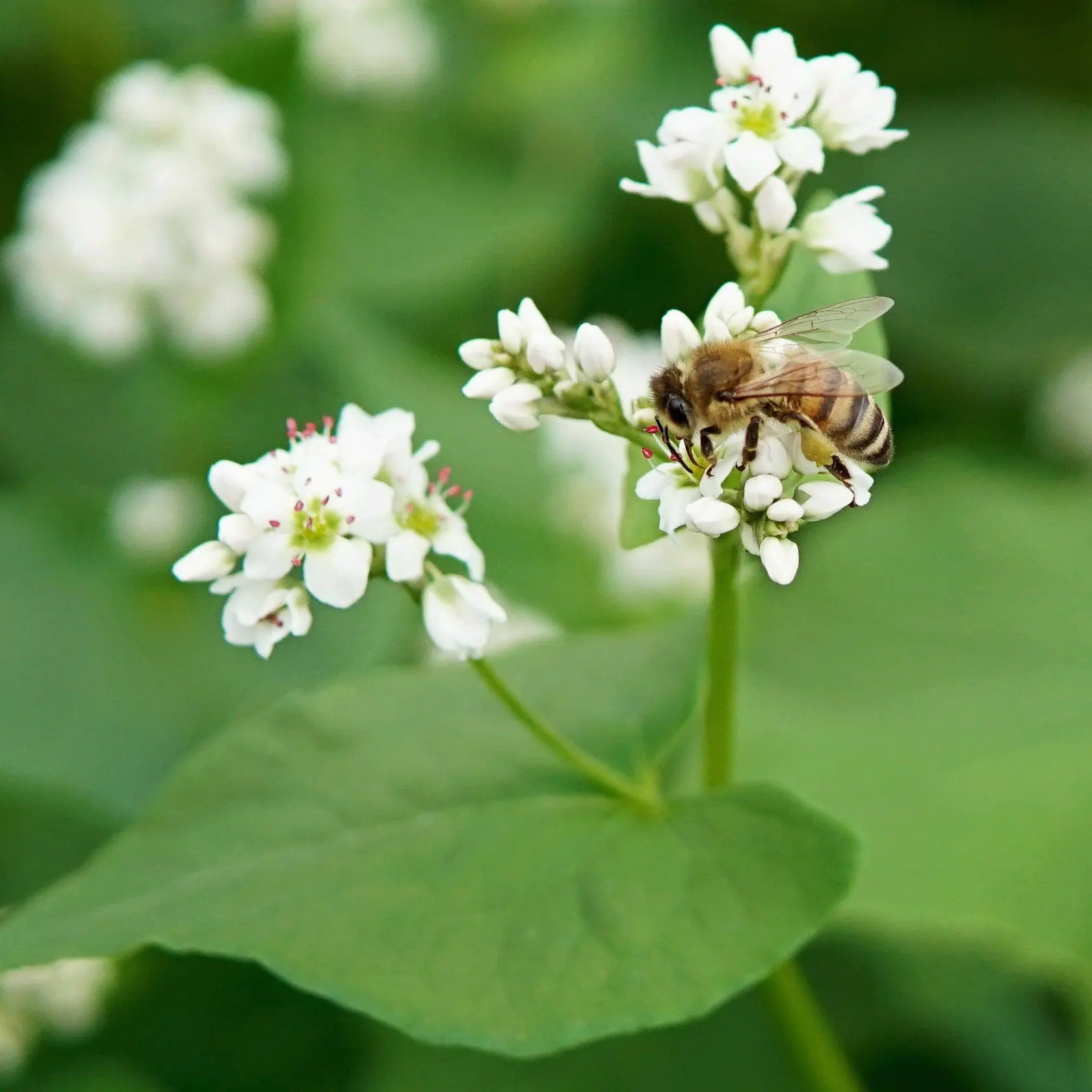
About this Honey
Produced in the cool, moist climates of the Northern U.S. (like New York and Ohio) and Canada. Harvested late in the season, this honey is dark purple to black. It is valued for its high antioxidant content, often exceeding that of lighter honeys. The flavor is pungent, earthy, and malty, comparable to molasses, and is widely used as a natural cough suppressant.
Honey Characteristics
Fagopyrum esculentum
Summer
Specialty
Northeast & West Coast
Sharp wet hay, rich malted molasses, pungent barnyard musk, damp dark earth
Luxuriously thick, slow-pouring dense body, highly resistant to quick graining
Honey Profile Chart
Scale: 1 (Low) → 5 (High)
The Story
Fagopyrum esculentum represents a powerful late-summer flow that requires cool, moist northern mornings to stimulate its brief, daily morning nectar discharge. By afternoon, the flowers cease secretion entirely, forcing honey bees to work with extreme intensity during a tight multi-hour window to secure this dark, purple-to-black crop from the fast-growing crop fields. The honey forms a luxuriously thick, slow-pouring dense body that is highly resistant to rapid graining due to its low water activity and complex mineral ash structure. Loaded with heavy phenolic compounds and antioxidants, its unique molasses-like sugar network provides high physical viscosity, making it a legendary holistic asset for coating and soothing respiratory pathways.
Sensory Profile
Tap a note to highlight it. These are the defining sensory characteristics of Buckwheat Honey.
Where Buckwheat Honey is Produced
Highlighted states are known sources of Buckwheat honey. Click a state to explore local apiaries.
Culinary Applications
Best Pairings
Foods and drinks that bring out the best in Buckwheat Honey.
Similar Honeys to Try
Can't find Buckwheat Honey? These varieties share similar characteristics.
Apiaries with Buckwheat honey
Local apiaries offering this honey variety. Support your local beekeepers!
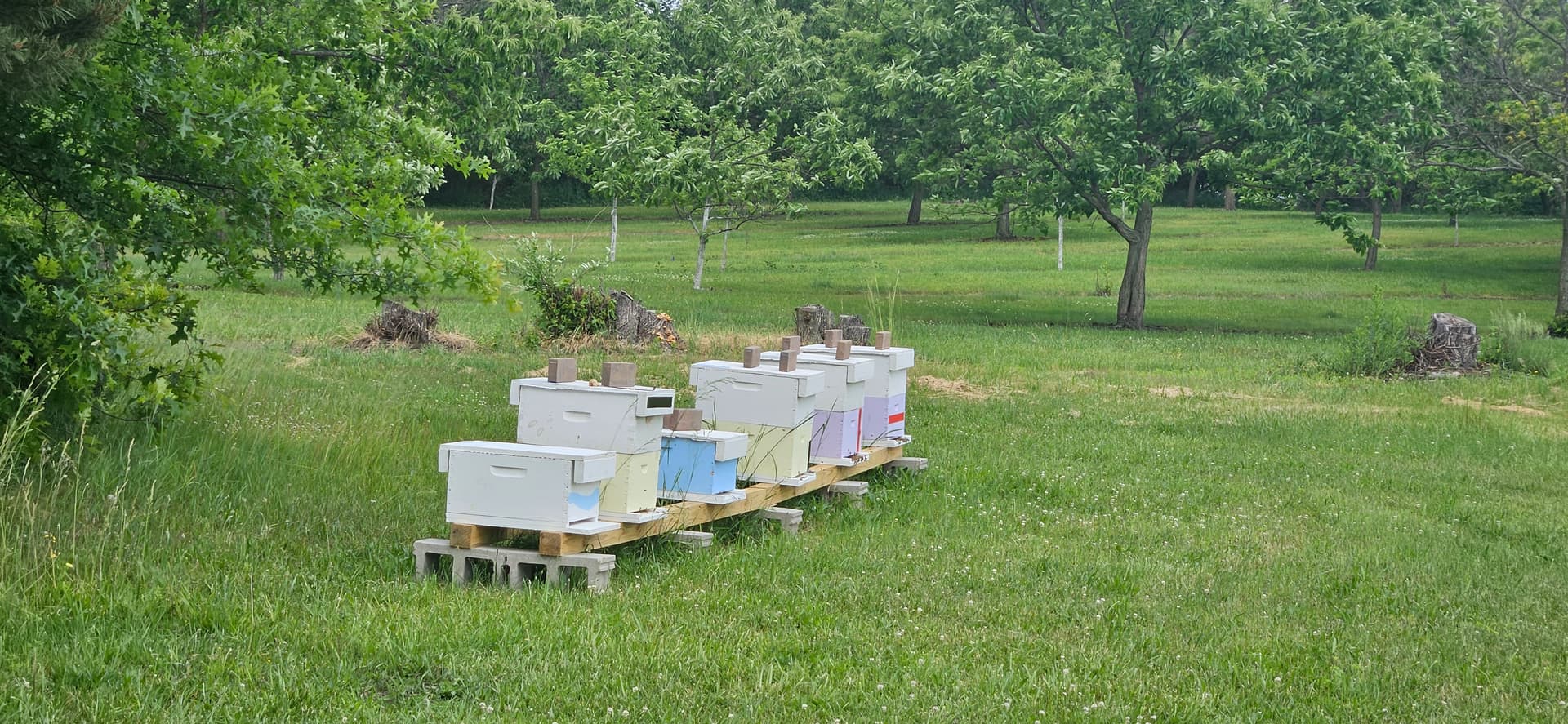
At a Glance
A Specialty variety, harvested in Summer, from Northeast & West Coast, derived from Fagopyrum esculentum blossoms.