1
Epicenter for rare, ultra-premium specialty varietals like marshmallow-noted Meadowfoam honey
Your Complete Guide to Fresh, Local Honey
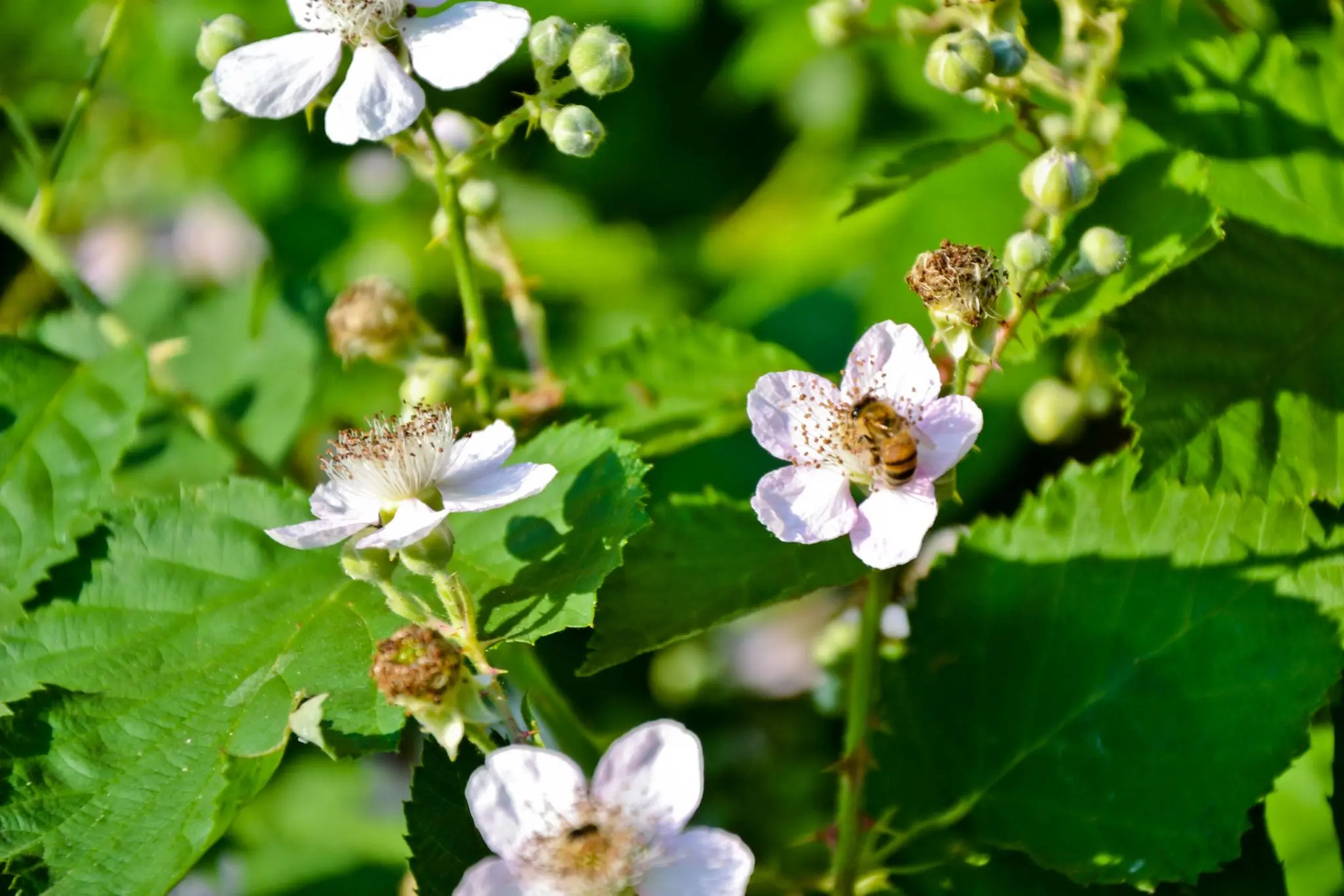
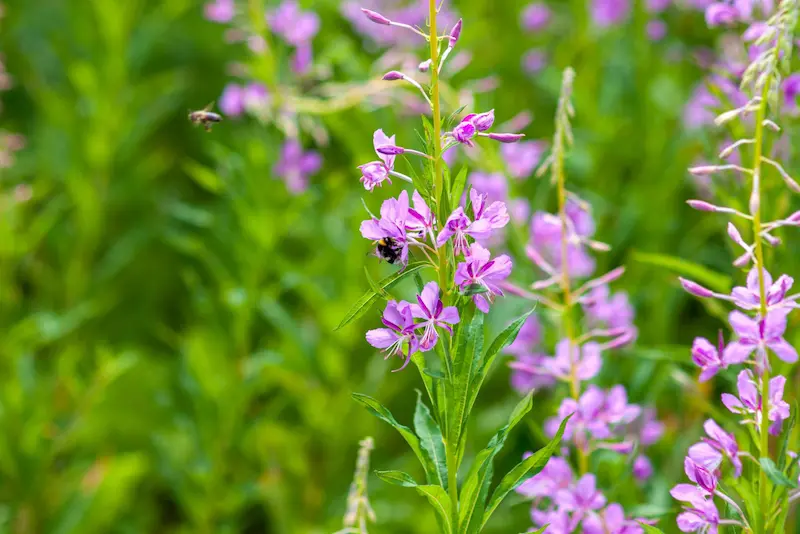
Oregon’s diverse geography creates a playground for specialized honey varietals. The Willamette Valley is famous for Meadowfoam honey—which tastes remarkably like toasted marshmallows—and abundant Blackberry honey. In the eastern high desert, beekeepers harvest rare Sage and Rabbitbrush honeys, while the Cascades provide a bounty of fireweed nectar.
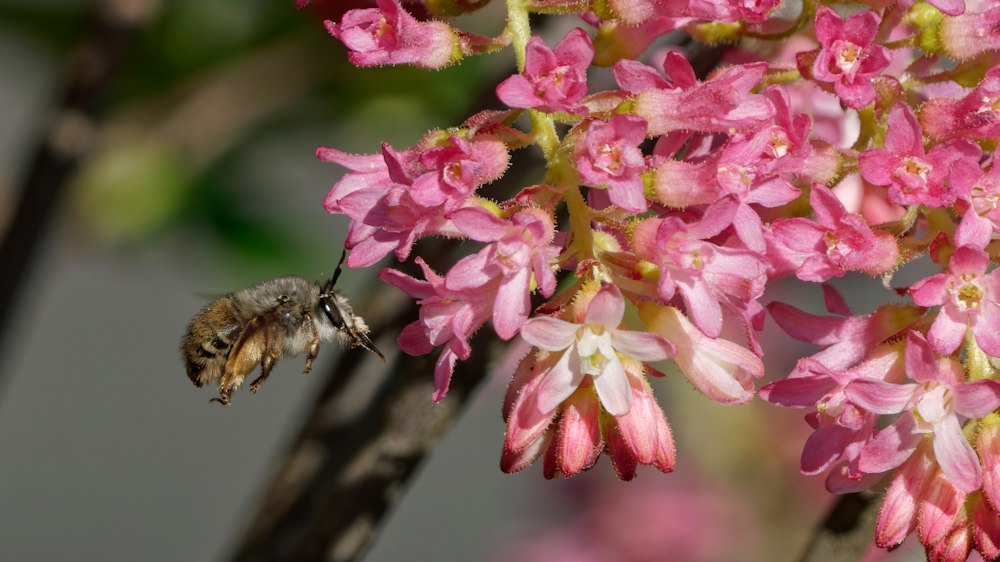
Photo by Patrick Bigelow on Unsplash
Photo by Patrick Bigelow on Unsplash
What Sets Oregon Apart
Epicenter for rare, ultra-premium specialty varietals like marshmallow-noted Meadowfoam honey
Home to robust, self-contained commercial migratory configurations servicing diverse specialty fruits
Pioneering state-level protection via the multi-agency science-driven Oregon Bee Project network
Mandatory annual ODA tracking designed specifically to fund targeted honeybee research loops
Diverse microclimatic forage spanning misty maritime valleys to semi-arid sagebrush deserts
Local Varietals
Oregon Grape
Honey Bee
Highly diverse, spanning from water-clear or extra-light amber for Black Locust and Meadowfoam, deep golden for wild Blackberry, to amber-red for agricultural carrot crops
June, July
Interactive year-round nectar flow guide
Peak nectar flow: May, June, July
Bloom Calendar
Click any month on the wheel to explore local forage details.
Peak Nectar Flow
The legendary Willamette Valley flow arrives as crimson clover and specialized meadowfoam fields erupt, yielding highly prized, premium nectar surges across marshy flats.
The geographic blueprint of the Pacific Northwest divides the state's apicultural landscape cleanly along the Cascade Crest. West of the mountains, the damp marine air of the Willamette and Rogue River valleys fosters intense early spring clover and berry bursts, while the high, semi-arid plateau of eastern Oregon hosts massive rangeland flows of wild buckwheat and desert sage. Because Oregon's extensive orchard sectors demand a highly mobile workforce, resident commercial apiaries spend their winters staging inside California's almond groves before migrating home in March to anchor a highly local, year-round economy specialized in high-value seed crops, small fruits, and premium forest varietals.
Oregon is renowned among connoisseurs for producing authentic Meadowfoam honey. Sourced from the winter annual meadowfoam plant grown in the southern Willamette Valley, this premium light honey possesses a distinct flavor profile that tastes identically to toasted marshmallows or vanilla custard.
From the Blog
Acacia honey is sold as the diabetic-friendly honey, usually with a glycemic index of 32. That number is unsourced — here is what has actually been measured.

A five-minute honey syrup that blends seamlessly into shaken and stirred drinks — all the floral depth of raw honey, none of the clumping.

The classic Prohibition-era gin sour, sweetened with honey syrup instead of sugar.
#16
National Rank
by honey production
2.8M lbs
Annual Honey
USDA NASS 2023 Honey Report
89,000
Managed Colonies
USDA NASS 2023 Honey Report
3,200
Registered Beekeepers
Federal NASS reports isolate active data from commercial growers managing 5 or more colonies within state lines. Oregon's total internal apiary index is much broader due to a dense, proactive network of small-scale backyard hobbyist growers whose hyper-local varietals escape formal tracking.
Connect with these premier honey producers for the best local experience
Don't miss these exciting honey and beekeeping events in Oregon
We couldn't find any events matching your criteria. Try adjusting your search terms or filters to discover more events.
Oregon Revised Statutes Section 602.090 mandates that any individual owning or overseeing 5 or more active bee colonies located inside state borders must register with the Oregon Department of Agriculture (ODA) annually. Registration costs include a flat $10 base fee plus an additional $0.50 per colony fee. Notably, state law dictates that 100% of these collected apiary funds must be directly allocated to honeybee pollinator health research at Oregon State University.
Oregon State Beekeepers Association
StatewideVisit WebsiteOperating for over 100 years, the OSBA directly anchors 17 localized regional chapters, hosts a prominent fall conference auction, and coordinates the statewide volunteer swarm catcher map.
State Dept. of Agriculture
Apiary ProgramSea level to 11,249 feet (Mount Hood)
Oregon features an intense topographical divide, moving abruptly from humid, high-forage valley bottoms to stark, arid mountain rain shadows. Successful apiary management requires close coordination with multi-tier cropping cycles, alongside a strategic focus on mitigating late-summer floral gaps across dairy and pasture systems.