1
Largest honey producer in the US
Your Complete Guide to Fresh, Local Honey
California boasts one of the most diverse and productive honey scenes in the United States. From the citrus groves of Southern California to the wildflower meadows of the Central Valley, the Golden State offers an incredible variety of honey types and beekeeping opportunities. With over 300 days of sunshine annually and diverse microclimates, California supports both commercial operations and artisanal beekeepers year-round.
What Sets California Apart
Largest honey producer in the US
300+ days of sunshine annually
Diverse microclimates support varied honey types
Home to almond pollination industry
Strong artisanal beekeeping community
Year-round honey production possible
Local Varietals
California Poppy
Water white to dark amber
May, June, July
Interactive year-round nectar flow guide
Peak nectar flow: March, April, May, June
Bloom Calendar
Click any month on the wheel to explore local forage details.
Peak Nectar Flow
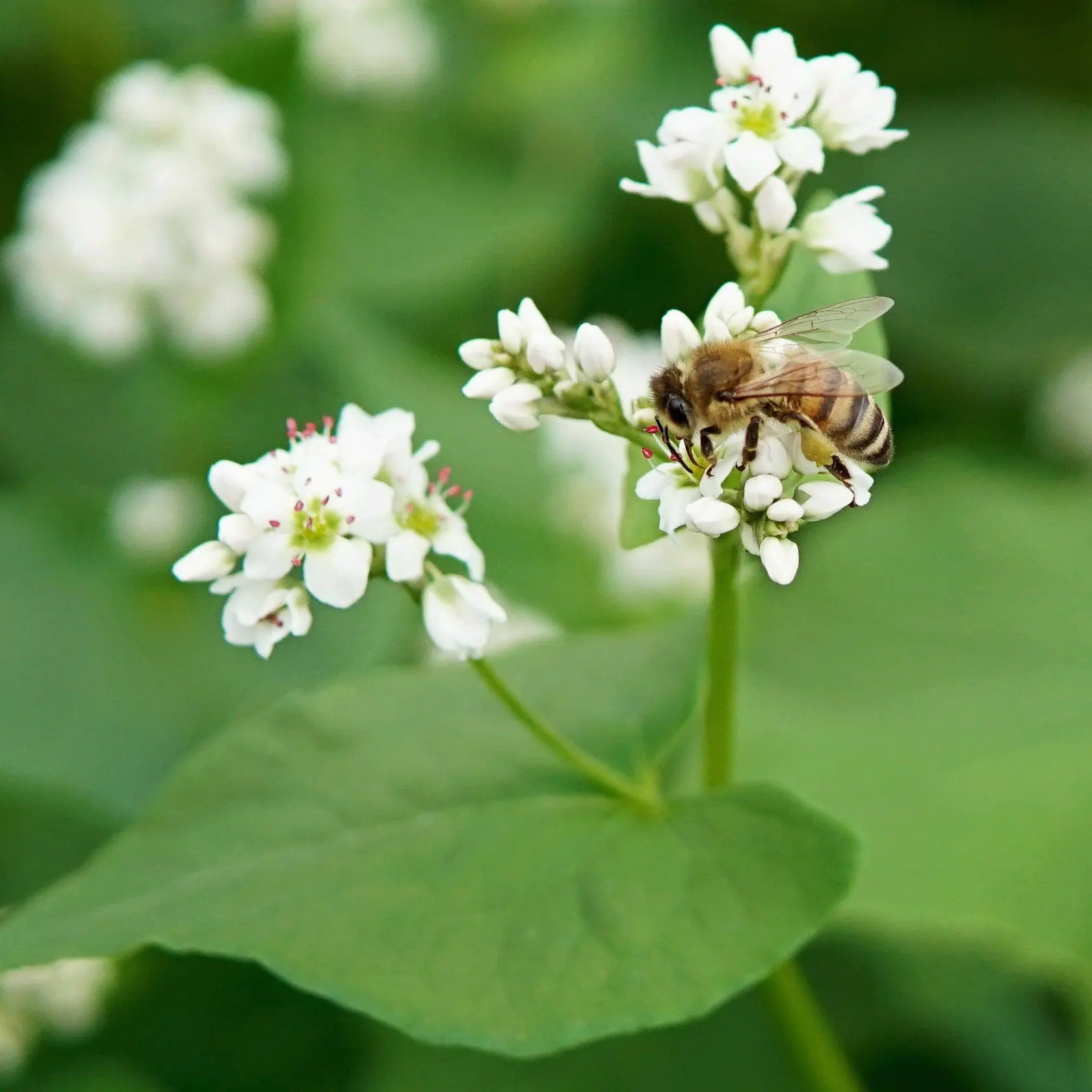
Peak wild harvest. Vast tracts of sage and buckwheat provide a heavy, rich, and dark nectar flow.
California is the undisputed heavyweight of American pollination. While the state boasts an incredibly diverse array of native microclimates—from the coastal sage scrub to the high Sierras—its beekeeping industry is heavily defined by the Central Valley. Every February, over two million honey bee colonies (nearly 80% of the entire commercial US bee population) are trucked into the state for the massive almond pollination event, making California the vital heartbeat of the nation's agricultural ecosystem.
California is the only place in the world where true 'Yellow Star Thistle' honey is produced at a commercial scale. Despite being an invasive weed, it yields an incredibly premium, light honey with a very faint greenish-gold tint.
From the Blog
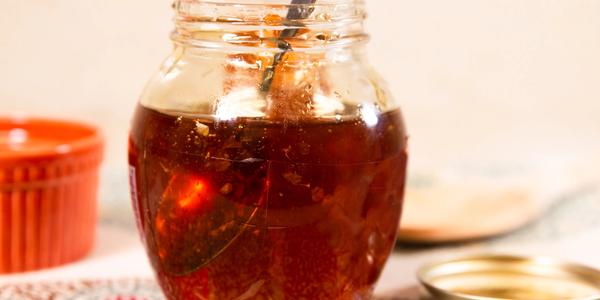
Acacia honey is sold as the diabetic-friendly honey, usually with a glycemic index of 32. That number is unsourced — here is what has actually been measured.
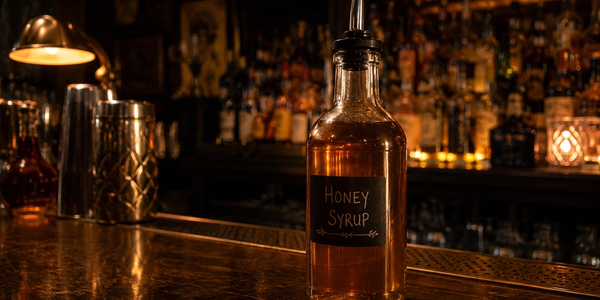
A five-minute honey syrup that blends seamlessly into shaken and stirred drinks — all the floral depth of raw honey, none of the clumping.
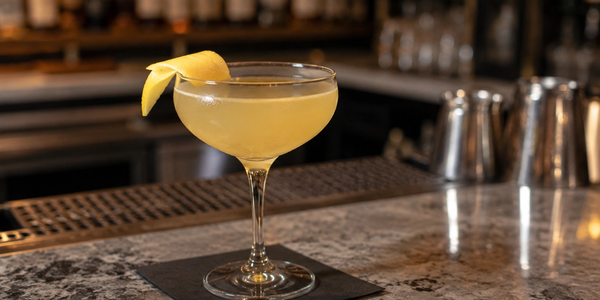
The classic Prohibition-era gin sour, sweetened with honey syrup instead of sugar.
#3
National Rank
by honey production
13.6M lbs
Annual Honey
USDA NASS 2023 Honey Report
324,000
Managed Colonies
USDA NASS 2023 Honey Report
Colony numbers represent the resident honey-producing baseline. The actual number of colonies in California surges to over 2 million from January to March due to the massive nationwide migratory influx for almond pollination.
Connect with these premier honey producers for the best local experience
Don't miss these exciting honey and beekeeping events in California
We couldn't find any events matching your criteria. Try adjusting your search terms or filters to discover more events.
California requires all apiaries to be registered annually via the BeeWhere program to protect hives from pesticide applications. Backyard rules, hive limits, and setback requirements are strictly regulated at the local city and county levels.
State Dept. of Agriculture
Apiary ProgramSea level to 14,000 feet
California features extreme topographical and climatic diversity, from the foggy, temperate Coastal Range to the arid, heavily irrigated Central Valley, and the alpine conditions of the Sierra Nevada. This allows for year-round beekeeping but requires highly localized management to navigate extreme droughts and microclimate shifts.