1
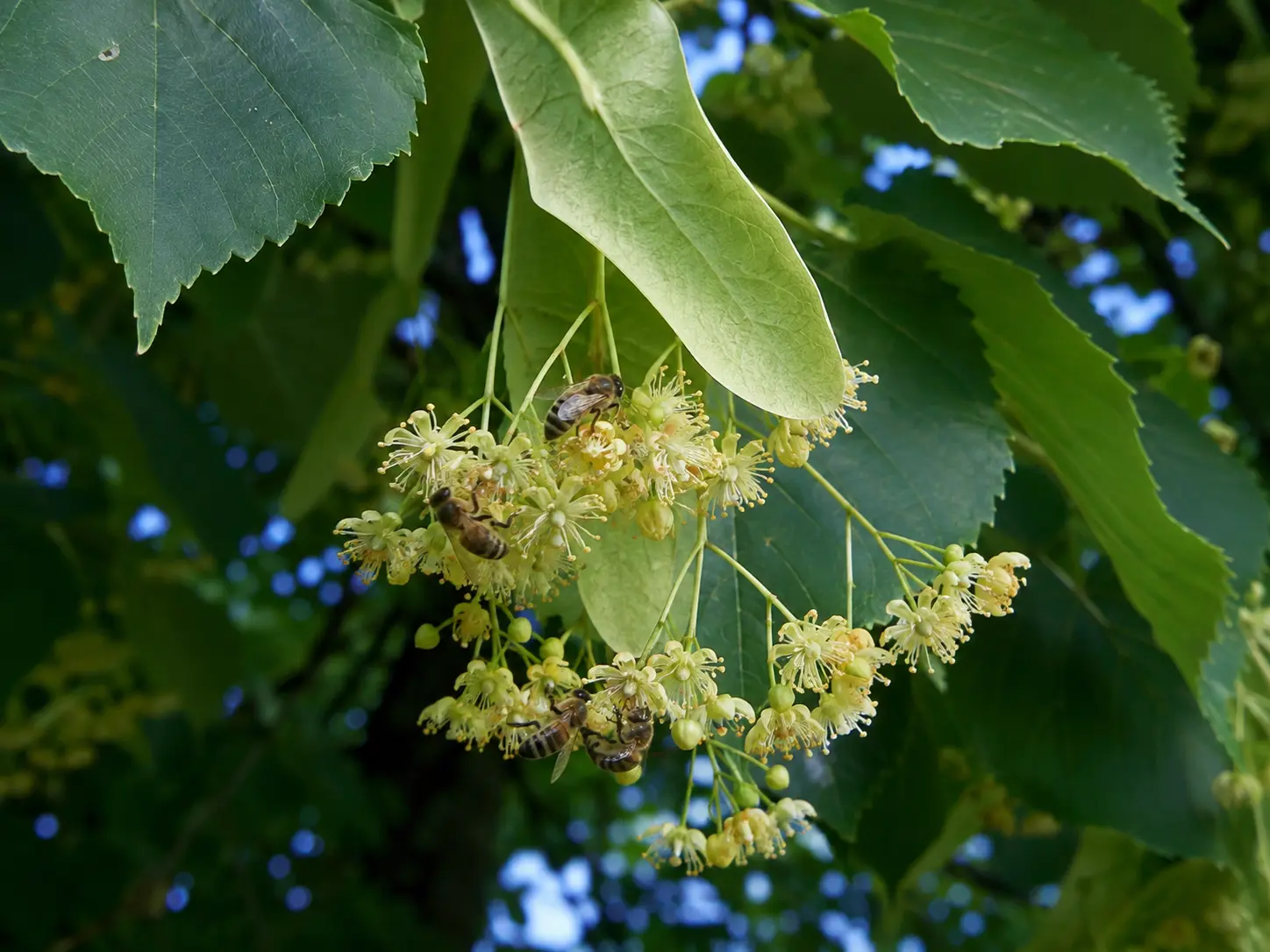
Major source of premium aromatic mint-infused summer Basswood honey
Your Complete Guide to Fresh, Local Honey
Wisconsin’s honey scene is a cornerstone of the state’s agricultural identity. It is a major producer of white clover honey, but its unique specialty is Cranberry honey, harvested from the massive bogs of central Wisconsin. Wisconsin beekeepers also prize the mid-summer Basswood flow, which produces a light, aromatic honey with a signature hint of mint.
What Sets Wisconsin Apart
Major source of premium aromatic mint-infused summer Basswood honey
Critical provider of migratory pollination services for massive central cranberry bogs
Voluntary inspection model with no mandatory state-level hive registration
Hosts the historic Wisconsin Honey Producers Association, active since 1864
Strict municipal permit frameworks across major urban hubs like Milwaukee
Local Varietals
Wood Violet
Honey Bee
Extra-light amber from legume fields, shifting to a beautiful water-white with green undertones from blooming forest basswood.
July, August, September
Interactive year-round nectar flow guide
Peak nectar flow: June, July
Bloom Calendar
Click any month on the wheel to explore local forage details.
Moderate Flow
Hive populations surge as foothill orchards, apple blossoms, wild berries, and dandelions across the central valleys provide a steady maintenance flow to feed expanding brood nests.
Centuries of dairy and specialty crop agriculture define the vibrant apicultural industry across the Badger State, linking honey production to some of the most fertile soils in the Upper Midwest. Local environments present a beautiful contrast between the massive, saturated central cranberry marshes and the sweeping mixed hardwood forests of the north. Operators must balance their systems to survive deep, moisture-laden winters, carefully prepping hives to emerge strong by late spring. Sideliners capitalize on a magnificent progression of floral sources, positioning bee yards to transition smoothly from early marsh crops into heavy summer timber flows.
Wisconsin is the leading producer of cranberries in the United States, and every year tens of thousands of honeybee colonies are trucked directly into the flooded central bogs to pollinate the crop, yielding a unique, tart-finishing cranberry honey.
From the Blog
Acacia honey is sold as the diabetic-friendly honey, usually with a glycemic index of 32. That number is unsourced — here is what has actually been measured.
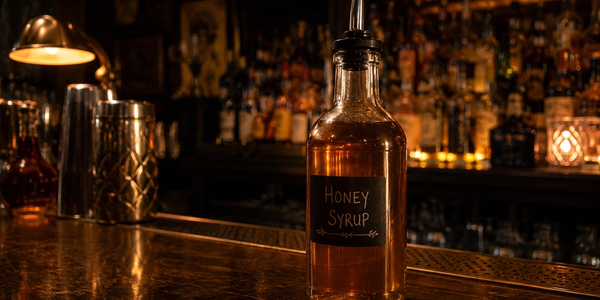
A five-minute honey syrup that blends seamlessly into shaken and stirred drinks — all the floral depth of raw honey, none of the clumping.
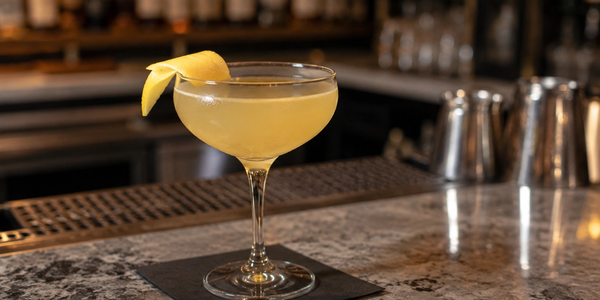
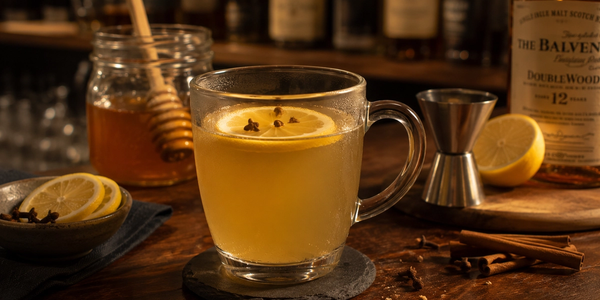
The classic Prohibition-era gin sour, sweetened with honey syrup instead of sugar.
#13
National Rank
by honey production
2.8M lbs
Annual Honey
USDA NASS 2023 Honey Report
62,000
Managed Colonies
USDA NASS 2023 Honey Report
3,000
Registered Beekeepers
The official metrics reported by federal agricultural systems track commercial operators holding five or more colonies inside Wisconsin borders. Because the state supports a huge population of small-scale backyard hobbyists running one to four hives on small dairy plots and home gardens, the actual volume of honey produced and colonies managed is far higher than censuses show.
Connect with these premier honey producers for the best local experience
Don't miss these exciting honey and beekeeping events in Wisconsin
We couldn't find any events matching your criteria. Try adjusting your search terms or filters to discover more events.
Wisconsin state law does not require beekeepers to register their honeybee colonies with the government. However, the Wisconsin Department of Agriculture, Trade and Consumer Protection (DATCP) enforces strict mandatory import reporting rules and health certifications for any hives or used equipment crossing into state boundaries.
Wisconsin Honey Producers Association
StatewideVisit WebsiteOrganized in 1864, the WHPA represents commercial and hobbyist apiaries statewide, manages the Wisconsin Honey Queen program, and collaborates directly with the UW-Madison Extension to offer advanced wintering courses.
Central Wisconsin Beekeepers Association
Visit WebsiteState Dept. of Agriculture
Apiary Program579 feet (Lake Michigan) to 1,951 feet (Timms Hill)
Wisconsin encompasses a glaciated terrain defined by rolling prairies, rich alluvial river valleys, and dense northern pine forests. Managing bees successfully here requires careful planning around high humidity levels during winter storage to prevent internal condensation and mold, which remains a primary vector for colony loss during long freezes.