1
Core powerhouse region anchoring the legendary Upper Midwest Honey Belt
Your Complete Guide to Fresh, Local Honey
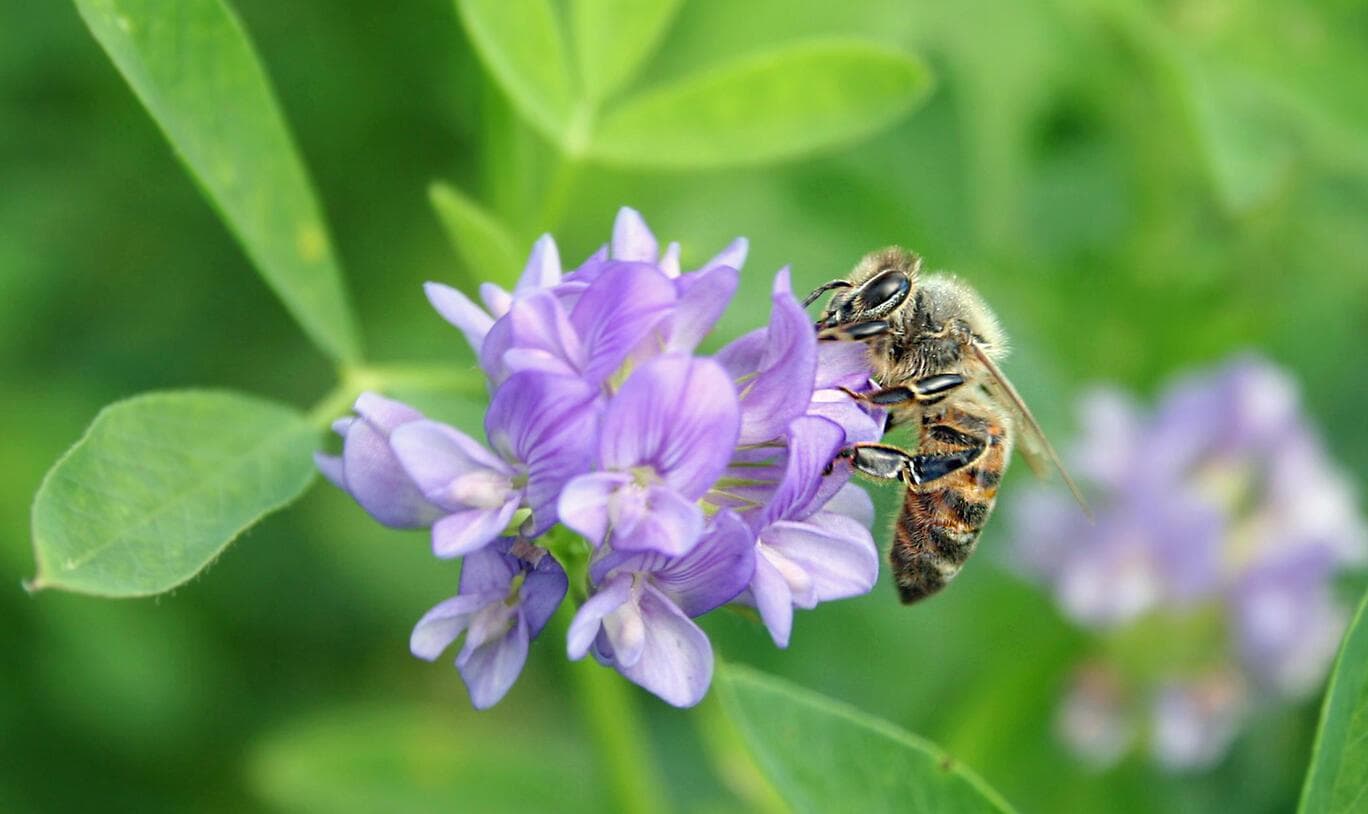
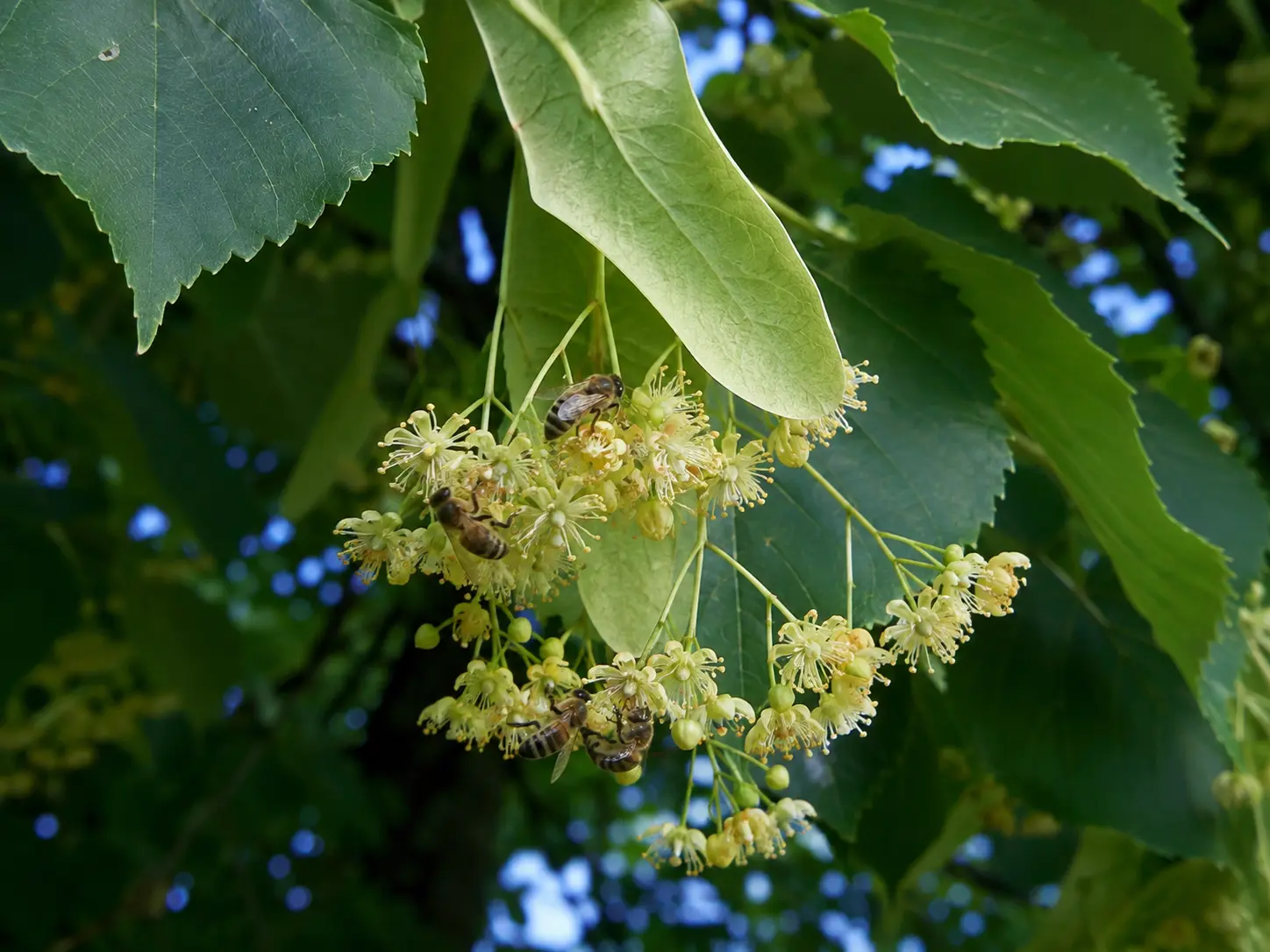
Minnesota consistently ranks among the top honey producers in the U.S. Its vast landscapes of sweet clover and alfalfa provide a massive nectar source for large-scale commercial beekeeping. The state is also famous for Basswood (Linden) honey, which has a distinctively fresh, minty kick, harvested from the extensive hardwood forests in the central region.
What Sets Minnesota Apart
Core powerhouse region anchoring the legendary Upper Midwest Honey Belt
Massive acreage of sweet clover and alfalfa driving high per-colony yields
Famed national source for crisp, micro-crystalline Basswood Linden honey
Strong historic ties to world-class apicultural research at the UMN Bee Lab
Local Varietals
Pink and White Showy Lady's Slipper
Rusty Patched Bumble Bee (Bombus affinis)
Dominated by water-white to extra-light golden hues during peak sweet clover and timber basswood cycles, shifting to light ambers in the fall.
July, August
Interactive year-round nectar flow guide
Peak nectar flow: June, July
Bloom Calendar
Click any month on the wheel to explore local forage details.
Moderate Flow
Dandelions and wild fruit trees explode across valleys, delivering a critical, abundant baseline nectar flow that fuels heavy brood development and hive scaling.
Beekeeping in Minnesota represents an elite cornerstone of American honey production, characterized by vast, sun-drenched summer prairies and dense hardwood forests. The state's agricultural landscape is highly optimized for summer foraging, where expansive blankets of sweet clover and alfalfa fuel immense nectar flows that allow a single colony to rack up impressive surplus weights. Minnesota's apiary framework is fundamentally supported by robust partnerships with institutions like the University of Minnesota Bee Lab, which balances large-scale migratory commercial setups with an active, highly educated network of rural sideliners and urban hobbyists.
Minnesota is famous among honey connoisseurs for its premium Basswood (Linden) honey. Harvested from regional hardwood forests during short, explosive summer windows, this water-white honey is celebrated for its distinctly sharp, light, and surprisingly refreshing minty-crisp undertone.
From the Blog
Acacia honey is sold as the diabetic-friendly honey, usually with a glycemic index of 32. That number is unsourced — here is what has actually been measured.
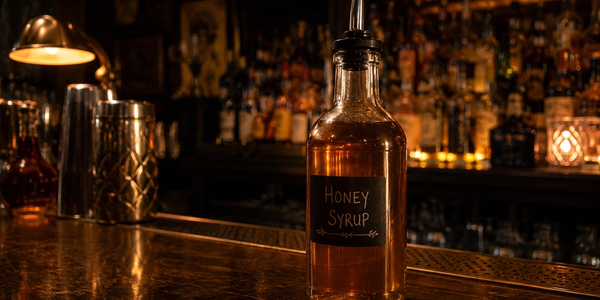
A five-minute honey syrup that blends seamlessly into shaken and stirred drinks — all the floral depth of raw honey, none of the clumping.

The classic Prohibition-era gin sour, sweetened with honey syrup instead of sugar.
#5
National Rank
by honey production
6.1M lbs
Annual Honey
USDA NASS 2023 Honey Report
106,000
Managed Colonies
USDA NASS 2023 Honey Report
3,200
Registered Beekeepers
Colony tracking data is pulled directly from the USDA National Agricultural Statistics Service. These official baseline records strictly focus on commercial operations managing five or more colonies, which means the extensive network of suburban back-lot hobbyists and small urban sideliners is mostly uncounted, making the true total output even higher.
Connect with these premier honey producers for the best local experience
Don't miss these exciting honey and beekeeping events in Minnesota
We couldn't find any events matching your criteria. Try adjusting your search terms or filters to discover more events.
The State of Minnesota does not mandate formal apiary registration or charge state-level permit fees for placing hives. Beekeepers are strongly encouraged to register their hive locations voluntarily via the online FieldWatch BeeCheck mapping interface to protect colonies from drift hazards and agricultural pesticide applications. Local municipal codes, county zoning restrictions, and town board variances dictate specific rules for urban hive counts and setback boundaries.
Minnesota Beekeepers Association
StatewideVisit WebsiteThe group originally known as the Minnesota Honey Producers Association voted to return to its historic roots, officializing its name as the Minnesota Beekeepers Association (MBA) to represent both commercial operators and hobbyists. The association maintains close partnerships with the University of Minnesota Bee Lab and manages the massive Bee and Honey exhibit at the Minnesota State Fair.
Minnesota Hobby Beekeepers Association
Visit WebsiteState Dept. of Agriculture
Apiary Program602 feet (Lake Superior shoreline) to 2,301 feet (Eagle Mountain)
Minnesota's geography transitions from sweeping agricultural prairies in the west to dense, old-growth hardwood forests in the central regions and rugged, glaciated terrain along the north shore. Managing honeybee colonies through these distinct zones demands highly adaptive winterizing protocols to handle prolonged, deep-freeze cold fronts and moisture management challenges inside wrapped hives.