1
The premier national epicenter for elite Yellow Star Thistle honey crops
Your Complete Guide to Fresh, Local Honey
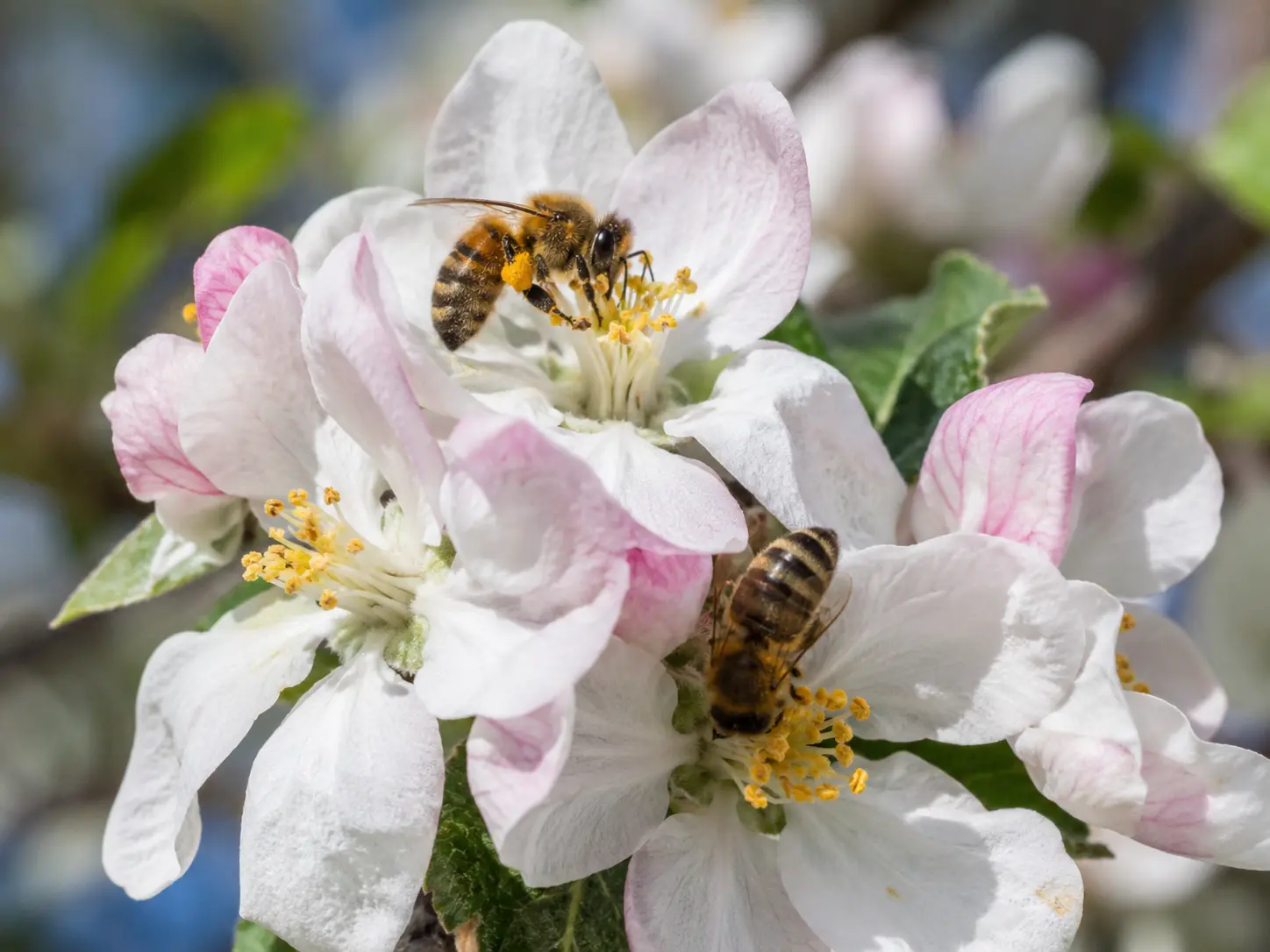
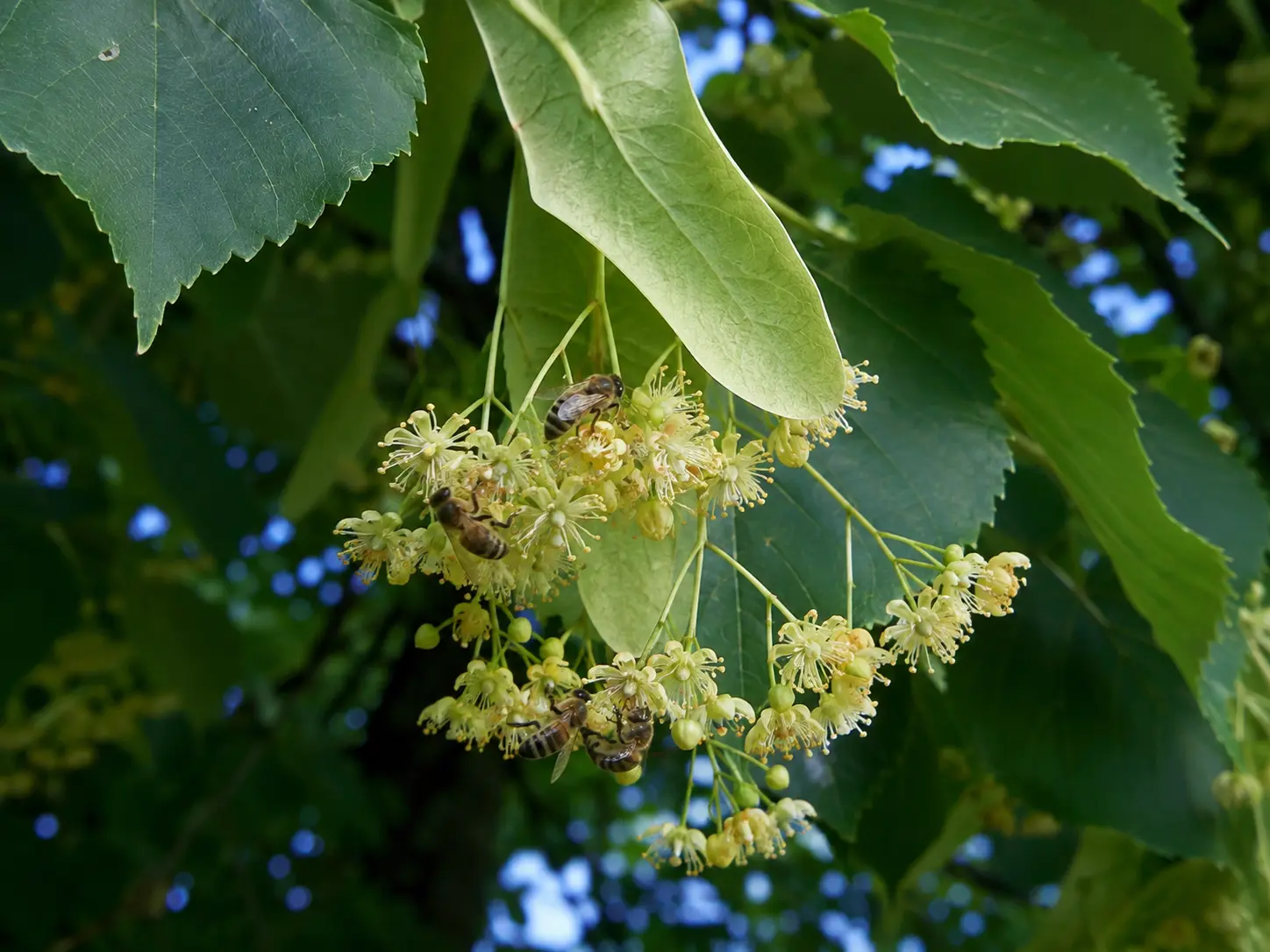
Michigan is a top-ten honey-producing state, largely thanks to the invasive but nectar-rich Star Thistle (Centaurea). This honey is prized for its transparent color and mild, cinnamon-like flavor. The state’s diverse fruit belt also allows for the harvest of cherry and apple blossom honeys, while the Upper Peninsula offers rugged, wild forest blends.
What Sets Michigan Apart
The premier national epicenter for elite Yellow Star Thistle honey crops
Heavy commercial fruit belt pollination networks spanning the Lake Michigan coastline
Home to the nation's oldest continuously operating state agricultural association
Robust wild-forage forest blends harvested throughout the rugged Upper Peninsula
Local Varietals
Apple Blossom
None designated
Ranging from water-white and extra-light amber during northern star thistle and orchard flows to deep, robust ambers from late-season wild aster and goldenrod forage.
August, September
Interactive year-round nectar flow guide
Peak nectar flow: May, July, September
Bloom Calendar
Click any month on the wheel to explore local forage details.
Moderate Flow
The massive fruit belt explosion arrives as thousands of acres of cherry, apple, and blueberry blossoms trigger explosive hive expansion and intense early honey storage.
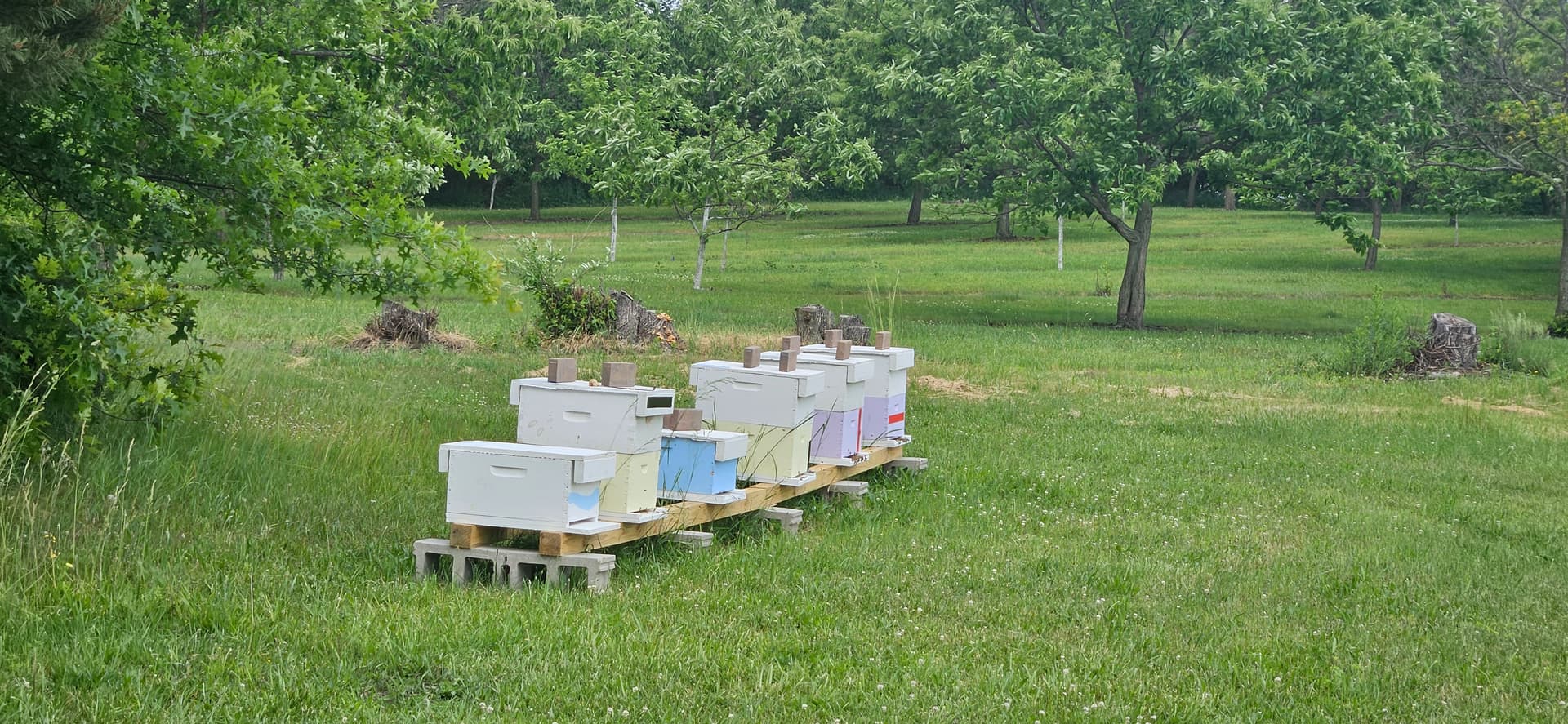
Beekeeping in Michigan balances a complex dynamic between intensive migratory fruit orchard pollination along the western coastal fruit belt and wild honey production across the northern peninsulas. The industry thrives due to the unique lake-effect microclimates created by the surrounding Great Lakes, which elongate flowering cycles and cushion fragile spring brood-rearing schedules. While commercial apiaries manage thousands of colonies for tart cherry, apple, and blueberry pollination, a passionate network of sideliners and local club members drives the state's artisanal honey identity, transforming a landscape otherwise challenged by brutal winters into a seasonal honey haven.
Michigan is famous among honey purists for producing premium, water-white Northern Plains Star Thistle honey. Despite the plant being classified as a stubborn noxious weed by land management agencies, it yields an exceptionally clean, slow-crystallizing honey featuring a subtle, sweet finish reminiscent of delicate cinnamon.
From the Blog
Acacia honey is sold as the diabetic-friendly honey, usually with a glycemic index of 32. That number is unsourced — here is what has actually been measured.

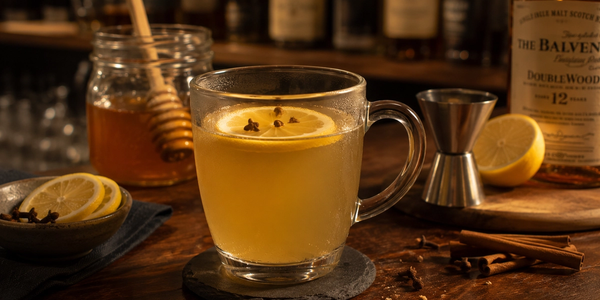
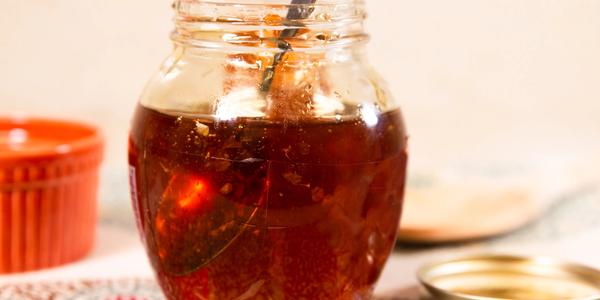
A five-minute honey syrup that blends seamlessly into shaken and stirred drinks — all the floral depth of raw honey, none of the clumping.
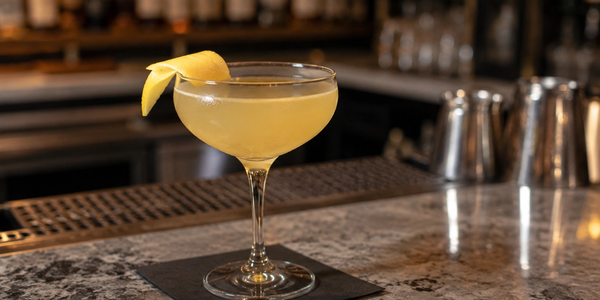
The classic Prohibition-era gin sour, sweetened with honey syrup instead of sugar.
#8
National Rank
by honey production
3.9M lbs
Annual Honey
USDA NASS 2023 Honey Report
70,000
Managed Colonies
USDA NASS 2023 Honey Report
4,500
Registered Beekeepers
Colony and production counts reflect commercial and sideliner operations managing five or more hives as quantified by the USDA NASS Great Lakes Regional Office. These baseline stats do not fully include the thousands of back-lot hobbyists managing small yards, meaning actual resident hive populations and local honey yields trend noticeably higher.
Connect with these premier honey producers for the best local experience
Don't miss these exciting honey and beekeeping events in Michigan
We couldn't find any events matching your criteria. Try adjusting your search terms or filters to discover more events.
The State of Michigan does not mandate apiary registration or hold state-level permit requirements for hive placement. Beekeepers are strongly encouraged to voluntarily map their yards using the specialized FieldWatch BeeCheck mapping interface to defend colonies against unintended agricultural pesticide exposures. Under the Michigan Right to Farm Act, beekeepers who actively align with the state's Generally Accepted Agricultural and Management Practices (GAAMPs) receive robust legal protection against local nuisance ordinances.
Michigan Beekeepers Association
StatewideVisit WebsiteEstablished in 1865, the Michigan Beekeepers Association (MBA) is the oldest continuously operating agricultural organization in the state. The group partners closely with the Michigan State University (MSU) Extension program to host seasonal office hours, run comprehensive district bee schools, and directly fund regional honeybee pathology research initiatives.
Seven Ponds Beekeepers
Visit WebsiteState Dept. of Agriculture
Apiary Program571 feet (Lake Erie shoreline) to 1,979 feet (Mount Arvon)
Michigan's distinct geography features two peninsulas framed by four of the Great Lakes, causing intense weather pattern adjustments across brief distances. The sandy soils of the northern Lower Peninsula foster massive star thistle fields, while the heavy clay deposits of the southern farming basins support intensive clover cultivation. Successful overwintering relies heavily on shielding hives from prolonged, humid lake-effect snow dump cycles.