1
Famed for dark, rich Tulip Poplar and rare mountain Sourwood honeys
Your Complete Guide to Fresh, Local Honey
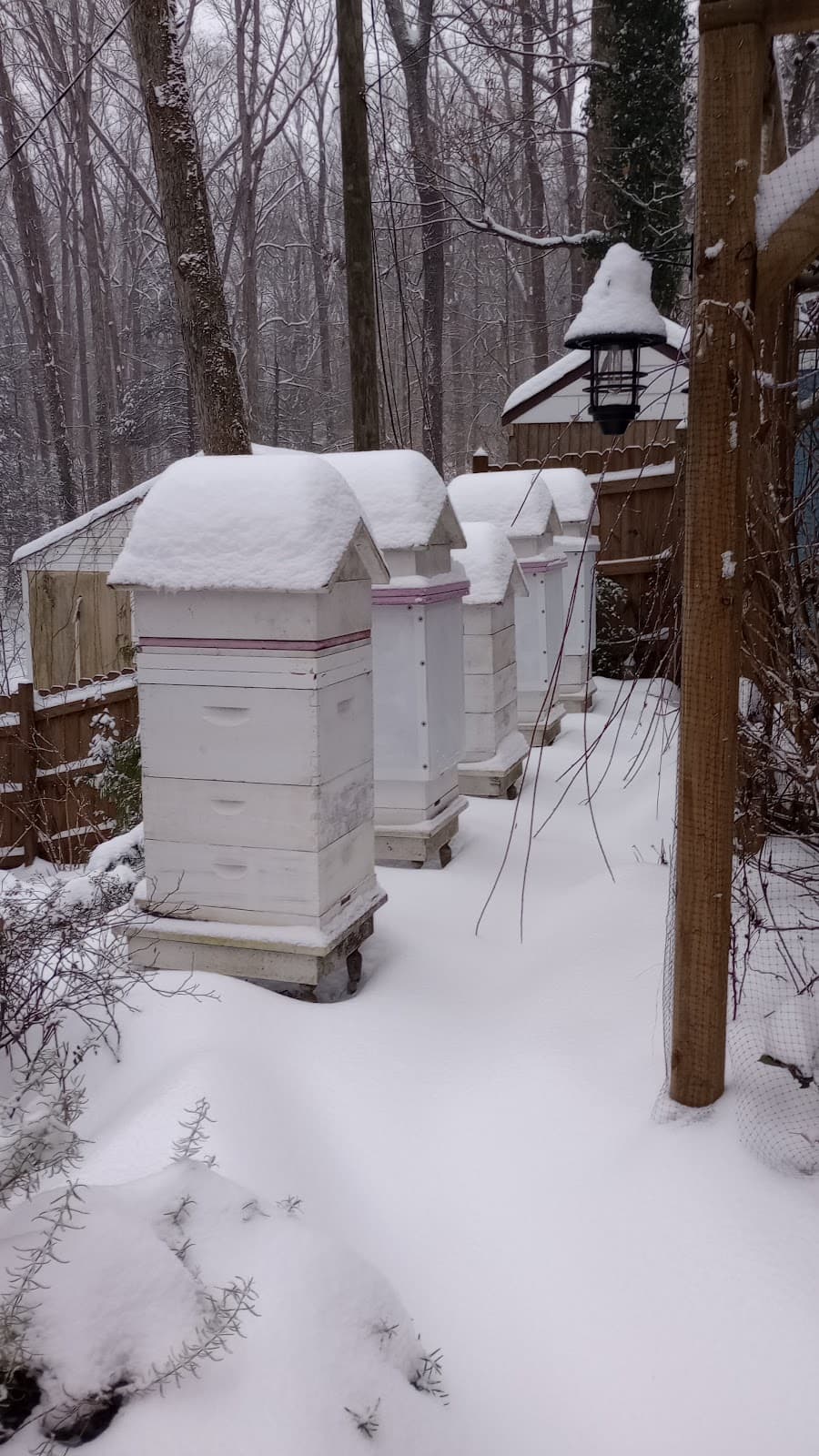
Virginia’s honey scene is a crossroads of Southern and Mid-Atlantic floral sources. The spring season is dominated by the Tulip Poplar and Black Locust trees, while the western mountains produce the highly prized Sourwood honey. Virginia’s "Blue Ridge" blends are famous for their complex, fruity undertones, supported by a very active state-wide beekeeping community.
What Sets Virginia Apart
Famed for dark, rich Tulip Poplar and rare mountain Sourwood honeys
Supported by the unique state-funded VDACS Beehive Distribution Program
Strict local flight path and setback guidelines across urban counties
Home to the historic Virginia State Beekeepers Association since 1918
Diverse forage zones ranging from coastal marshes to high mountain ridges
Local Varietals
American Dogwood
Honey Bee
Dark reddish-amber from poplar stands, switching to a remarkably clear water-white from early forest locust blooms.
June, July, October
Interactive year-round nectar flow guide
Peak nectar flow: May, July
Bloom Calendar
Click any month on the wheel to explore local forage details.
Peak Nectar Flow
Peak honey production window across Virginia opens wide as magnificent Tulip Poplar trees and wild pasture clovers erupt with blooms, filling hive bodies with a heavy dark nectar.
Centuries of agricultural adaptation define the apicultural fabric across the Old Dominion, moving seamlessly from early colonial orchard pollination records into today's highly organized modern management systems. Local environments present stark structural shifts, matching hives to sweeping mountain scopes, rich valley river systems, and coastal maritime wetlands. The state stands out for its high density of passionate sideliners who carefully track complex hardwood forest bloom schedules. These operators move hives vertically into mountain ranges every summer to target premium timber blooms that require precise timing and protection from sudden mountain storms.
Virginia manages a unique, highly popular "Beehive Distribution Program" through the state government, which regularly uses a lottery system to hand out completely free hive equipment and assembly kits to resident homeowners to spark native pollination.
From the Blog
Acacia honey is sold as the diabetic-friendly honey, usually with a glycemic index of 32. That number is unsourced — here is what has actually been measured.
A five-minute honey syrup that blends seamlessly into shaken and stirred drinks — all the floral depth of raw honey, none of the clumping.
The classic Prohibition-era gin sour, sweetened with honey syrup instead of sugar.
#42
National Rank
by honey production
4,500
Registered Beekeepers
The USDA aggregates Virginia into the "Other States" category. Because Virginia has a dominant population of independent hobbyists managing one to four backyard hives, the actual number of resident honey bee colonies and overall honey production is significantly higher than federal reports show.
Connect with these premier honey producers for the best local experience
Don't miss these exciting honey and beekeeping events in Virginia
We couldn't find any events matching your criteria. Try adjusting your search terms or filters to discover more events.
Virginia does not enforce mandatory hive registration for stationary hobbyists at the state level. Apiary operators are protected under state limited liability statutes if they maintain their hives in a reasonable manner and closely conform to written best management practices established by VDACS.
Virginia State Beekeepers Association
StatewideVisit WebsiteThe VSBA works directly alongside the Virginia Tech Bee Lab to conduct regional pest tracking, manage master beekeeper qualification tracks, and coordinate educational outreach across more than thirty regional clubs.
Northern Virginia Beekeepers Association
Visit WebsiteState Dept. of Agriculture
Apiary ProgramSea level to 5,729 feet (Mount Rogers)
Virginia encompasses structural topographic variety, moving from flat coastal plain marshes to rolling Piedmont pasturelands and steep mountain ranges. Managing bees successfully requires adapting to sharp microclimate shifts, as the spring nectar flow can be delayed by up to three weeks in the western mountain valleys compared to the warm coastal shelves.