1
Renowned for unique, premium Basswood and northern white clover honeys
Your Complete Guide to Fresh, Local Honey
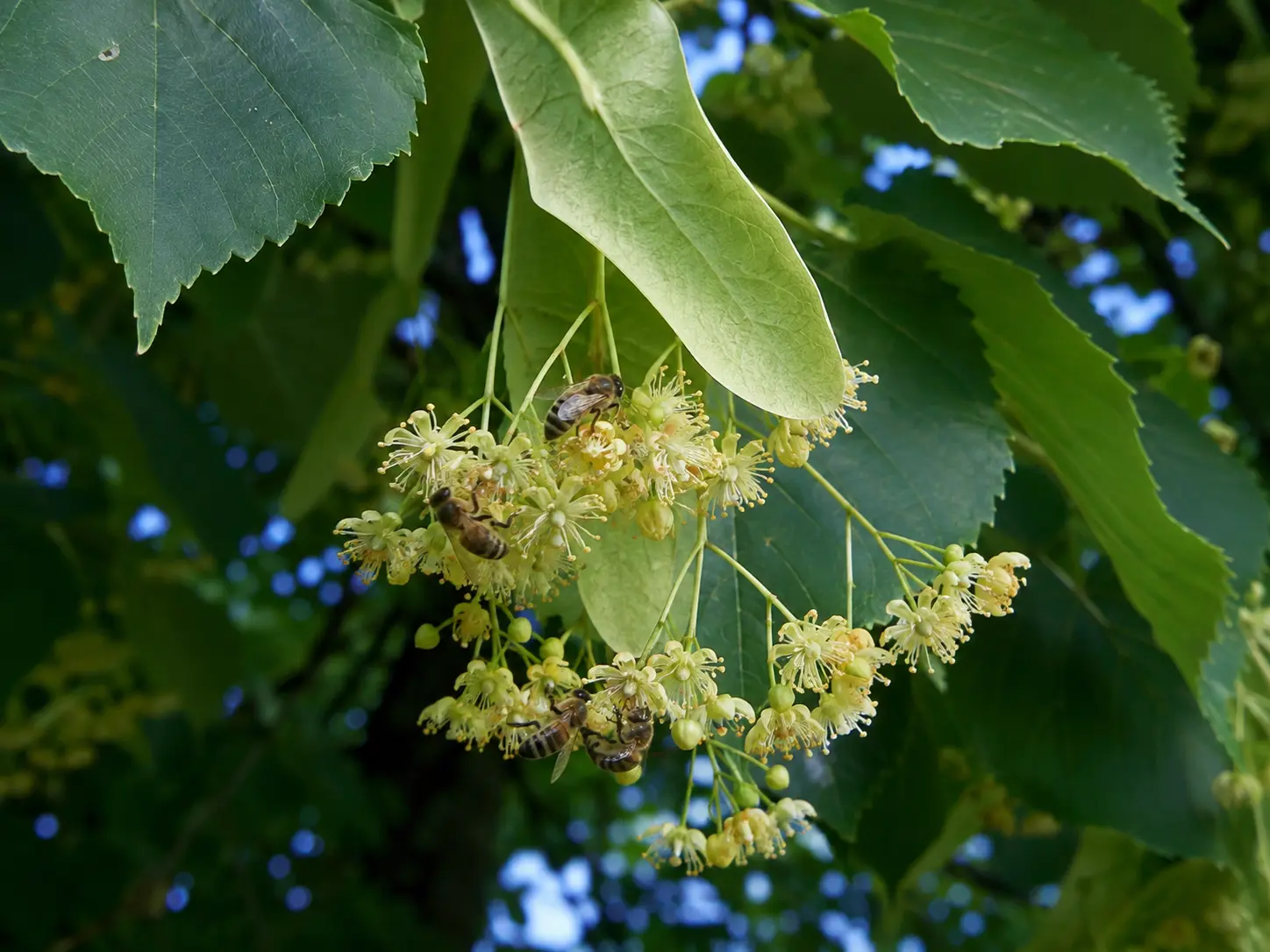
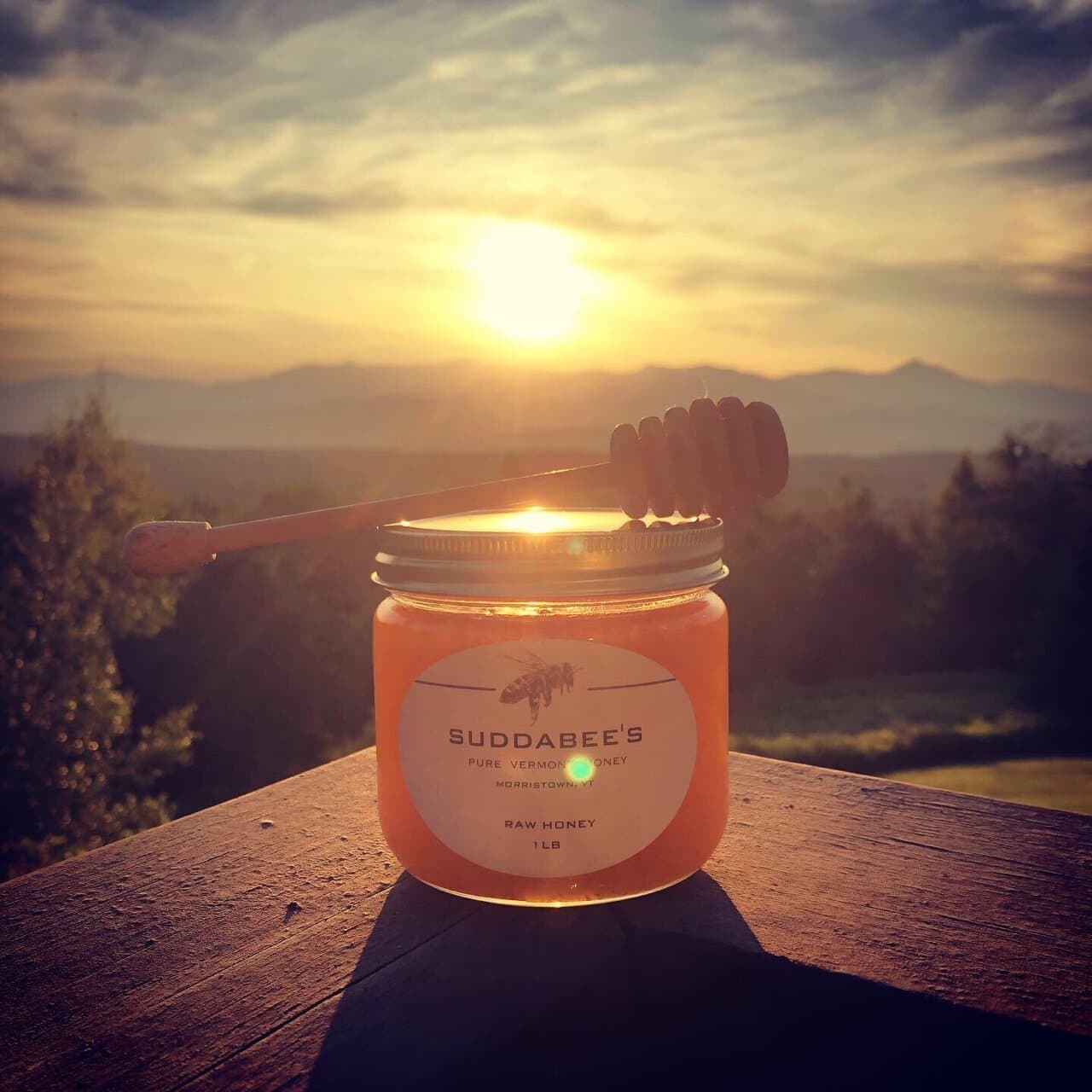
Vermont beekeeping is an artisanal craft, often paired with the state’s famous maple syrup industry. The short but intense northern summer allows bees to forage on Basswood (Linden) trees and abundant white clover. Vermont beekeepers are known for their expertise in wintering bees in harsh climates, producing high-quality, cold-filtered honey that retains its natural pollen and enzymes.
What Sets Vermont Apart
Renowned for unique, premium Basswood and northern white clover honeys
Enforces a strict two-mile apiary protection law to combat overcrowding
Dynamic fall goldenrod flows that match northern summer legume yields
Mandatory annual apiary registration via the Agency of Agriculture
Artisanal, cold-filtered practices that preserve natural local pollens
Local Varietals
Red Clover
Honey Bee
Clear water-white from linden blooms, transitioning to a rich, warm dark amber during the late autumn goldenrod harvest.
July, September
Interactive year-round nectar flow guide
Peak nectar flow: June, July, September
Bloom Calendar
Click any month on the wheel to explore local forage details.
Moderate Flow
Rapid colony expansion occurs as wild berries, maples, and serviceberries bloom heavily across mountain foothills, providing steady maintenance resources to fuel the hive.
Beekeeping in Vermont is deeply bound to the state's iconic agricultural identity, sharing land and seasonal management mindsets with the maple syrup industry. From early pioneer apiaries to the modern sustainable farm movement, the Green Mountain State has cultivated a tradition of small-batch excellence. Because the northern foraging window is abbreviated but incredibly intense, Vermont beekeepers have engineered precise overwintering styles to bring colonies through long, freezing winters. Hives are strategically arranged along fertile river basins like the Champlain Valley to target short, massive nectar explosions from basswood groves and dense wild clover pastures.
Vermont apiary law enforces a rare "two-mile isolation radius" which legally prevents any person from establishing a new apiary within two miles of a previously registered yard, successfully protecting small bee farms from over-foraging and disease vectors.
From the Blog
Acacia honey is sold as the diabetic-friendly honey, usually with a glycemic index of 32. That number is unsourced — here is what has actually been measured.
A five-minute honey syrup that blends seamlessly into shaken and stirred drinks — all the floral depth of raw honey, none of the clumping.

The classic Prohibition-era gin sour, sweetened with honey syrup instead of sugar.
#40
National Rank
by honey production
1,200
Registered Beekeepers
Vermont's official commercial metrics are grouped into the "Other States" category by the USDA. Due to the state's extensive, highly localized network of rural homesteaders managing one to four backyard hives, the actual number of resident colonies and internal honey consumption scales are considerably higher than reported numbers.
Connect with these premier honey producers for the best local experience
Don't miss these exciting honey and beekeeping events in Vermont
We couldn't find any events matching your criteria. Try adjusting your search terms or filters to discover more events.
Vermont state statutes require all bee owners to register their hives annually with the VAAFM by June 30th and pay a $10.00 location fee. All imported hives must carry a valid certificate of health from their origin state, and beekeepers must file an updated Varroa mite mitigation plan.
Vermont Beekeepers Association
StatewideVisit WebsiteDating back over a century, the VBA hosts biannual educational gatherings and conducts hands-on diagnostic workshops at its designated club apiaries in Burlington and southern Vermont.
Champlain Valley Beekeepers Club
Visit WebsiteState Dept. of Agriculture
Apiary Program95 feet (Lake Champlain) to 4,393 feet (Mount Mansfield)
Vermont features sharp topographies defined by rolling valley floors, dense northern hardwood forests, and alpine peaks. The state's short summer requires hives to build numbers quickly, while the long, moisture-laden winters require wrapping and specialized ventilation strategies to avoid condensation buildup.