1
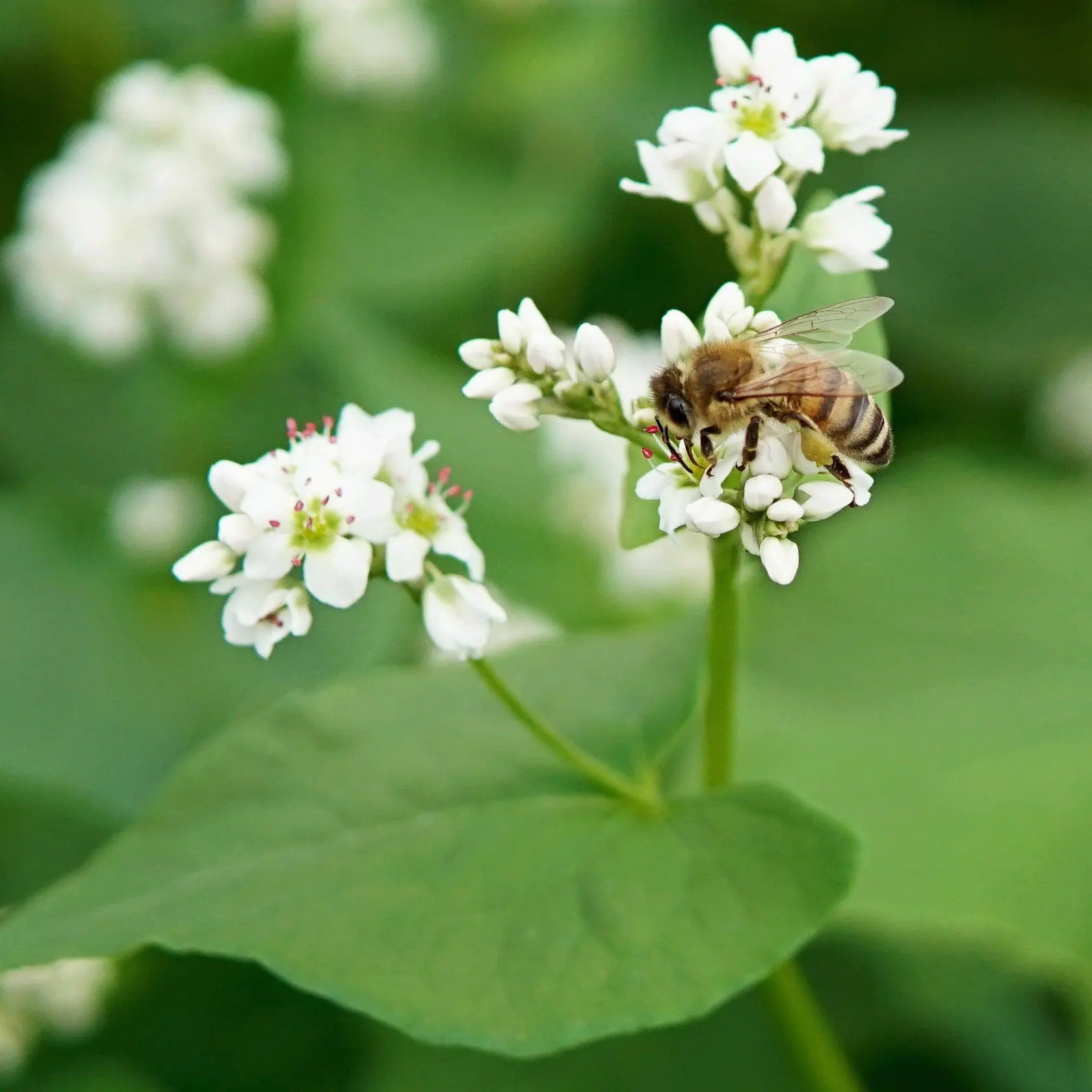
Renowned for highly specialized regional varietals like pungent Buckwheat and robust "Bamboo" Knotweed honey
Your Complete Guide to Fresh, Local Honey
Pennsylvania has a deeply rooted beekeeping tradition, particularly in its central valleys and northern forests. While clover is common, the state is famous for its late-season Japanese Knotweed honey (often called Bamboo honey) and historic Buckwheat honey, which is dark, pungent, and highly medicinal in flavor. The state also boasts a strong urban beekeeping presence in Philadelphia and Pittsburgh.
What Sets Pennsylvania Apart
Renowned for highly specialized regional varietals like pungent Buckwheat and robust "Bamboo" Knotweed honey
Anchored by a century-old regulatory network backed by the Pennsylvania State Beekeepers Association
Strong scientific synergy driven by Penn State Extension's cutting-edge pollinator research programs
Mandatory biennial hive registration framework legally tied to state-wide disease mitigation mapping
Dynamic urban apiculture landscapes thriving in both the Pittsburgh and Philadelphia metropolitan corridors
Local Varietals
Mountain Laurel
Honey Bee
Highly variable, sliding from water-clear for early Black Locust, rich golden for clover, to dark purplish-black or opaque espresso tones for late-season Buckwheat and Knotweed
June, July, September
Interactive year-round nectar flow guide
Peak nectar flow: May, June, September
Bloom Calendar
Click any month on the wheel to explore local forage details.
Peak Nectar Flow
The first heavy timber flow hits as Black Locust and Tulip Poplar provide a short, massive nectar flow across hardwood valleys, driving rapid comb production.
The diverse ecologies of the Appalachian ridges and rolling piedmont agricultural valleys dictate a highly synchronized annual forage loop for resident apiaries. In early summer, the vast state forest lands erupt with Tulip Poplar and Black Locust blooms, driving a massive nectar intake before colonies transition into pastoral dairy country rich in Dutch white clover. As the hot summer closes, Pennsylvania offers a unique late-season phenomenon: massive riparian sweeps of wild Japanese Knotweed (locally known as "Bamboo") and historic plantings of agricultural buckwheat generate an aggressive late-season nectar surge, yielding dark, therapeutic honey varieties highly sought after across northeastern markets.
Pennsylvania is one of the few places where honeybees harvest significant surpluses from Japanese Knotweed. Known colloquially by local beekeepers as "Bamboo honey," this invasive plant yields a surprisingly rich, dark red-tinted honey that mimics the strong molasses flavor profile of true buckwheat.
From the Blog
Acacia honey is sold as the diabetic-friendly honey, usually with a glycemic index of 32. That number is unsourced — here is what has actually been measured.

A five-minute honey syrup that blends seamlessly into shaken and stirred drinks — all the floral depth of raw honey, none of the clumping.

The classic Prohibition-era gin sour, sweetened with honey syrup instead of sugar.
#28
National Rank
by honey production
858K lbs
Annual Honey
USDA NASS 2023 Honey Report
22,000
Managed Colonies
USDA NASS 2023 Honey Report
6,500
Registered Beekeepers
Official USDA surveys log data strictly from commercial operators managing 5 or more colonies. Pennsylvania's actual apicultural footprint is vastly underrepresented by these numbers due to thousands of small-scale backyard hobbyist apiaries whose local honey yields go unrecorded.
Connect with these premier honey producers for the best local experience
Don't miss these exciting honey and beekeeping events in Pennsylvania
We couldn't find any events matching your criteria. Try adjusting your search terms or filters to discover more events.
The Pennsylvania Bee Law requires every person keeping bees within the Commonwealth to register their apiary locations with the Pennsylvania Department of Agriculture (PDA) biennially. Registration carries a small $10 fee for a two-year term, which funds state inspection tracking for American Foulbrood and maps live hive sites to prevent pesticide application drift near commercial orchards.
Pennsylvania State Beekeepers Association
StatewideVisit WebsiteFounded in 1904, the PSBA coordinates a massive annual Fall Conference in State College, works closely with Penn State's Center for Pollinator Research, and crowns the state Honey Queen.
State Dept. of Agriculture
Apiary ProgramSea level (Delaware River) to 3,213 feet (Mount Davis)
Pennsylvania's landscape presents an intricate mix of rugged forest highlands and hyper-fertile farming regions. Successful apiary tracking requires beekeepers to adjust for elevation changes, as mountain ridge honey flows lag 2-3 weeks behind valley floor cycles and carry higher overwintering insulation demands.