1
Transitions dynamically from dense oak-hickory cross-timbers to high semi-arid plains
Your Complete Guide to Fresh, Local Honey
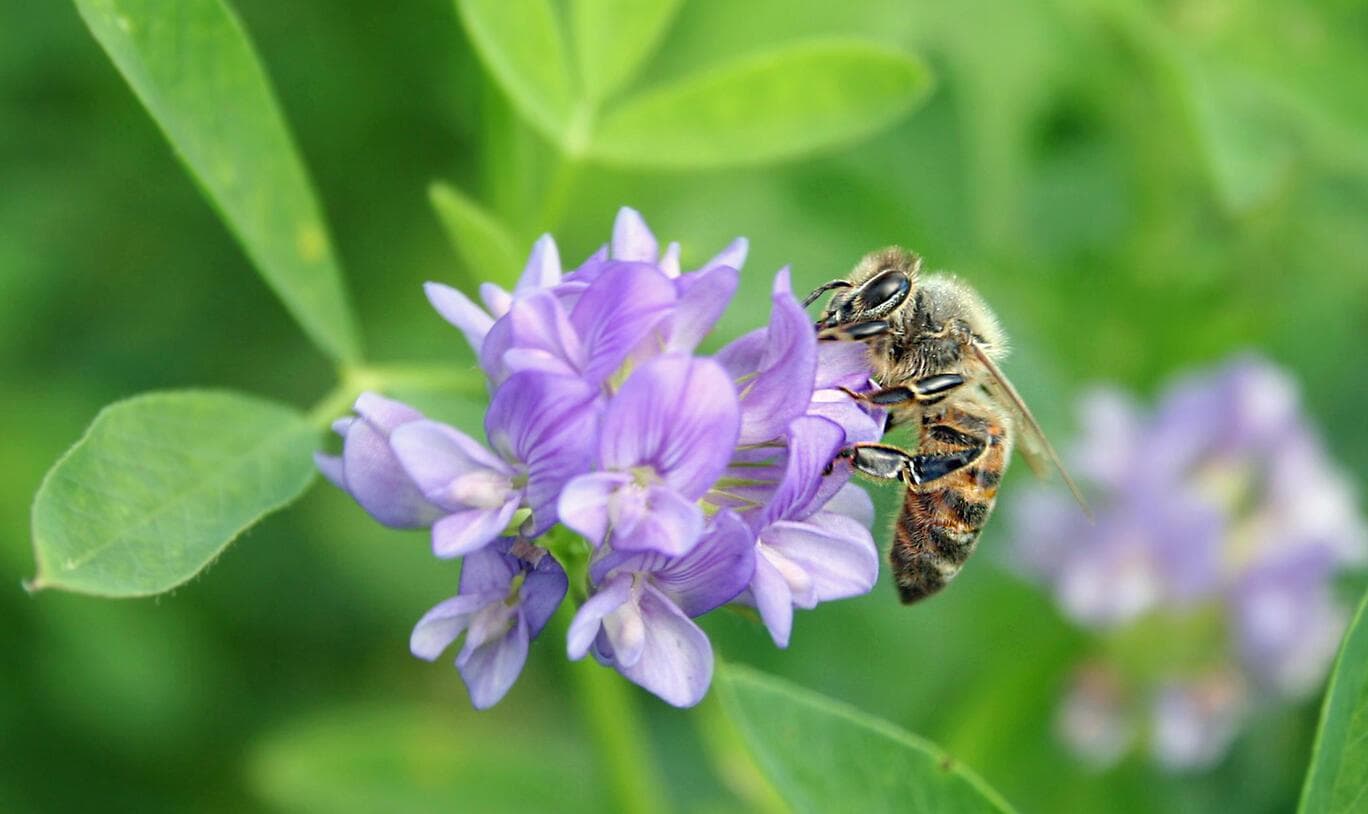
The Oklahoma honey scene is shaped by the state’s transition from cross-timber forests to open prairies. Beekeepers here benefit from a long growing season, harvesting a "High Plains" wildflower mix that is often dark and rich in minerals. Sweet clover and alfalfa remain the primary nectar sources, producing the classic sweet honey loved by local residents.
What Sets Oklahoma Apart
Transitions dynamically from dense oak-hickory cross-timbers to high semi-arid plains
Yields exceptionally rich, mineral-dense wildflower and deep dark alfalfa honey
Features a dual-track legal framework offering voluntary registry or mandatory hive marking
Strong localized breeding focus on climate-resilient honeybee stocks tailored to extreme prairie swings
Active educational programming driven by the statewide Oklahoma State Beekeepers Association
Local Varietals
Oklahoma Rose
Honey Bee
Ranges from water-white to extra light amber during early clover flows, transitioning into a deeply rich, highly mineralized dark amber for late-summer wildflower and alfalfa harvests
June, July, September
Interactive year-round nectar flow guide
Peak nectar flow: May, June, September
Bloom Calendar
Click any month on the wheel to explore local forage details.
Moderate Flow
Spring forage peaks as wild blackberry briars, hairy vetch, and early sweet clover varieties bloom, providing a heavy influx of nectar that fills brood nests.
Beekeeping in Oklahoma is defined by a remarkable ecotone—the structural interface where eastern hardwood cross-timbers break open into expansive Great Plains prairies. This transition presents unique challenges and rewards for apiary management. From the wet bottomlands of the Red River valley to the high, wind-swept expanses of the Panhandle, honeybees navigate an aggressive continental climate marked by late spring freezes and intense summer droughts. Oklahoma beekeepers have adapted by selecting hardy, self-sufficient stocks capable of extracting deep nutritional value from native sweet clover, heavy alfalfa, and diverse prairie wildflowers.
Under the Oklahoma Apiary Act, managed honeybees are legally classified as a formal livestock species. This enables local beekeepers to qualify for emergency federal agricultural assistance programs, like ELAP, to rebuild apiaries after severe prairie weather incidents.
From the Blog
Acacia honey is sold as the diabetic-friendly honey, usually with a glycemic index of 32. That number is unsourced — here is what has actually been measured.
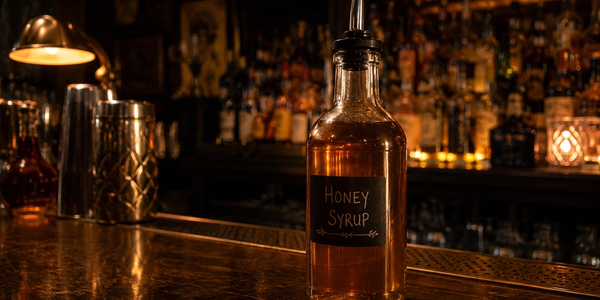
A five-minute honey syrup that blends seamlessly into shaken and stirred drinks — all the floral depth of raw honey, none of the clumping.

The classic Prohibition-era gin sour, sweetened with honey syrup instead of sugar.
#26
National Rank
by honey production
1.1M lbs
Annual Honey
USDA NASS 2024 Honey Report
24,000
Managed Colonies
USDA NASS 2024 Honey Report
1,800
Registered Beekeepers
Official NASS tracking isolates data from commercial growers managing 5 or more active colonies. The real total footprint inside Oklahoma includes over a thousand small-scale backyard hobbyists whose specialized prairie wildflower yields are traded directly through local farmers markets.
Don't miss these exciting honey and beekeeping events in Oklahoma
We couldn't find any events matching your criteria. Try adjusting your search terms or filters to discover more events.
The Oklahoma Apiary Act structures an elegant dual-track setup. Formal registration with the Oklahoma Department of Agriculture, Food, and Forestry (ODAFF) is voluntary; however, if a beekeeper opts out of registration, they are legally required to post their name and emergency contact details prominently at the entry point of the apiary yard. Failing to register or post contact information can result in an unidentifiable yard being legally declared abandoned and relocated or destroyed during state disease inspections.
Oklahoma State Beekeepers Association
StatewideVisit WebsiteThe OSBA maintains a highly active state-wide swarm catcher database, manages educational pavilions at the Oklahoma State Fair, and coordinates regional clubs spanning from Tulsa to Oklahoma City.
State Dept. of Agriculture
Apiary Program289 feet (Little River) to 4,973 feet (Black Mesa)
Oklahoma's geography presents an expansive climate gradient, sliding from lush eastern woodlands to arid western rangelands. Apiary management demands close monitoring of water availability and wind speeds, as persistent western gusts require the installation of heavy windbreaks to prevent hive chilling and to assist foraging flights.