1
Diverse floral forage spanning mixed-hardwood forests, rich agricultural bottoms, and urban gardens
Your Complete Guide to Fresh, Local Honey
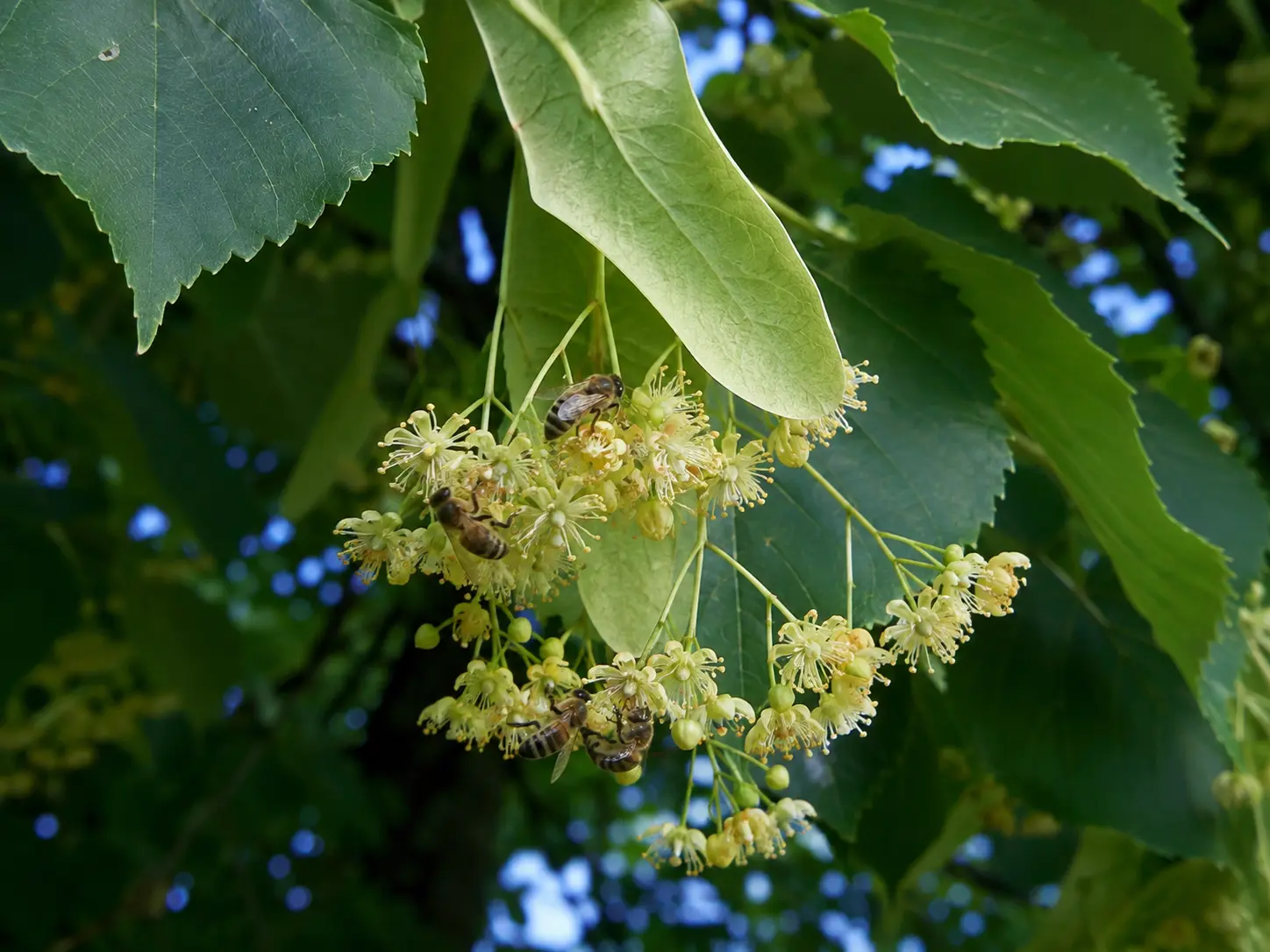
Ohio beekeeping is a staple of Midwestern agriculture. The state’s diverse landscape of woodlots and clover pastures allows beekeepers to harvest a range of varietals. Early summer brings the minty notes of Basswood (Linden) honey, followed by a steady flow of Dutch clover. The Ohio State Beekeepers Association is one of the oldest and most active in supporting local apiaries.
What Sets Ohio Apart
Diverse floral forage spanning mixed-hardwood forests, rich agricultural bottoms, and urban gardens
Home to unique, premium specialty varietals like minty Basswood and crisp Black Locust honey
Vibrant state apiary inspection network coordinated through county-level deputy inspectors
Highly organized hobbyist landscape backed by the historic Ohio State Beekeepers Association
Mandatory free hive registration framework modified to shield apiaries from local pesticide applications
Local Varietals
Scarlet Carnation
Honey Bee
Ranges from water-white or water-clear for Black Locust, light amber for Clover and Basswood, to dark, robust amber for late-autumn Goldenrod blends
June, July, September
Interactive year-round nectar flow guide
Peak nectar flow: May, June, September
Bloom Calendar
Click any month on the wheel to explore local forage details.
Peak Nectar Flow
The first premium honey flow strikes as Black Locust and Tulip Poplar provide a short, massive nectar surge, requiring beekeepers to stack honey supers quickly.
Beekeeping in Ohio is deeply woven into the fabric of Midwestern diversified agriculture. While the western half of the state features expansive corn, soybean, and alfalfa acreage, the eastern Appalachian foothills provide dense mixed-hardwood canopies. This unique geographical contrast allows Ohio beekeepers to secure spectacular early-summer tree flows from Tulip Poplar, Black Locust, and Basswood before transitioning hives into pastoral fields of Dutch clover and sweet clover. The state's apicultural footprint is heavily managed by a dense network of suburban hobbyists and small-scale commercial sideline operations.
Under recent legislative updates via House Bill 96, Ohio completely removed its long-standing apiary registration fee, shifting to a mandatory, 100% free online infrastructure to maximize beekeeping compliance and pesticide tracking accuracy across the state.
From the Blog
Acacia honey is sold as the diabetic-friendly honey, usually with a glycemic index of 32. That number is unsourced — here is what has actually been measured.

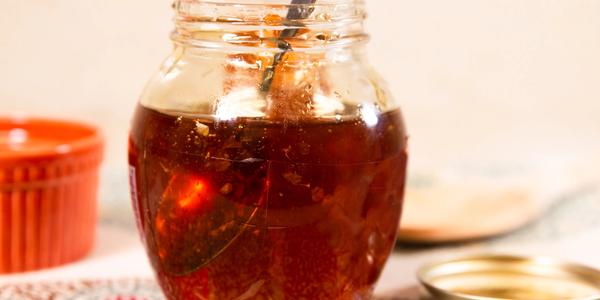
A five-minute honey syrup that blends seamlessly into shaken and stirred drinks — all the floral depth of raw honey, none of the clumping.

The classic Prohibition-era gin sour, sweetened with honey syrup instead of sugar.
#24
National Rank
by honey production
840K lbs
Annual Honey
USDA NASS 2023 Honey Report
15,000
Managed Colonies
USDA NASS 2023 Honey Report
7,500
Registered Beekeepers
USDA statistics capture data exclusively from commercial entities managing 5 or more colonies. Ohio's real apiary footprint is considerably broader due to thousands of unregistered or small-scale backyard hobbyist growers whose total collective yields escape formal federal tracking frameworks.
Connect with these premier honey producers for the best local experience
Don't miss these exciting honey and beekeeping events in Ohio
We couldn't find any events matching your criteria. Try adjusting your search terms or filters to discover more events.
Ohio Revised Code Chapter 909 requires all honeybee colony owners to register their active apiaries with the Department of Agriculture on or before June 1st annually. Registrations are entirely free and provide beekeepers with mandatory pesticide application warnings if commercial applicators spray toxic materials within a half-mile radius of registered yards.
Ohio State Beekeepers Association
StatewideVisit WebsiteOSBA administers a highly respected Master Beekeeping program and supports regional clubs across all 88 counties with speaker funding and educational youth scholarship frameworks.
State Dept. of Agriculture
Apiary Program531 feet (Ohio River) to 1,550 feet (Campbell Hill)
The landscape transitions from flat, glaciated till plains in the west to highly rugged, unglaciated forest plateaus in the south and east. Successful apiary management depends on adjusting strategies for these shifting regions, as the dense forest canopies produce brief tree-canopy flows, whereas the flat agricultural zones provide longer alfalfa and clover summer flows.