1
Famous for unique desert wildflower honey harvested from wild rabbitbrush and native sage
Your Complete Guide to Fresh, Local Honey
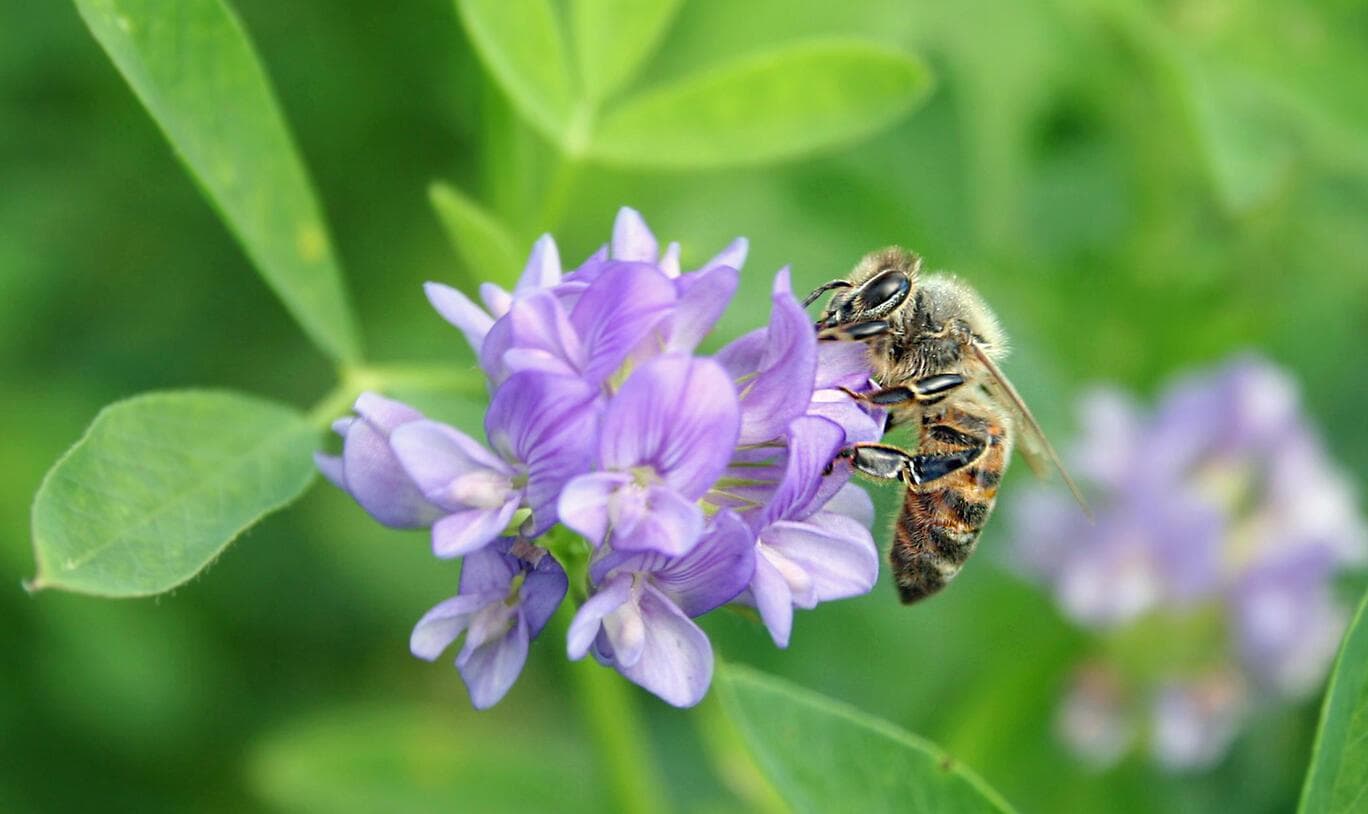
Nevada’s arid climate makes honey production a specialized craft. Most apiaries are located in the irrigated valleys or near the Sierra Nevada foothills. Alfalfa is the primary crop, but the "Desert Wildflower" honey—containing nectar from rabbitbrush and various sage species—is highly prized for its unique, earthy aroma and slow crystallization.
What Sets Nevada Apart
Famous for unique desert wildflower honey harvested from wild rabbitbrush and native sage
Managed apiaries operate primarily within highly specialized irrigated river valleys
Subject to strict Africanized Honey Bee (AHB) quarantine zones and transit permitting rules
High-altitude desert winter conditions push colonies into prolonged, deep winter clusters
Local Varietals
Sagebrush
Honey Bee
Water white to light straw from alfalfa fields, shifting to deep amber with rich green tints during late-summer rabbitbrush flows.
July, August, September
Interactive year-round nectar flow guide
Peak nectar flow: June, September
Bloom Calendar
Click any month on the wheel to explore local forage details.
Moderate Flow
The spring worker workforce expands rapidly on nectar flows from early desert wildflowers and sweetclover variants across sunny foothills.
Surviving the harsh, hyper-arid basin landscapes of the Great Basin and Mojave Deserts requires immense structural resilience from both honeybees and their keepers. Apiary configurations are fundamentally tied to the ribbons of green found along the Truckee, Carson, and Humboldt river valleys where irrigated alfalfa crops provide a steady, dependable agricultural baseline. Outside these cultivated corridors, nomadic beekeepers track the highly temperamental rainfall patterns that trigger sparse but spectacular blooms of black sage, rabbitbrush, and desert sweetclover. This challenging geography yields incredibly dense, low-moisture honeys that are highly prized for intense herbal flavor profiles and complex aromatic properties.
Southern regions of the state sit below a strict, legally mandated Africanized Honey Bee quarantine line, requiring specialized municipal movement permits and formal genetic sampling to ensure safety.
From the Blog
Acacia honey is sold as the diabetic-friendly honey, usually with a glycemic index of 32. That number is unsourced — here is what has actually been measured.

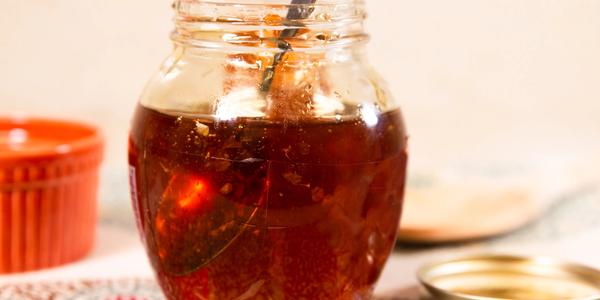
A five-minute honey syrup that blends seamlessly into shaken and stirred drinks — all the floral depth of raw honey, none of the clumping.

The classic Prohibition-era gin sour, sweetened with honey syrup instead of sugar.
#36
National Rank
by honey production
450
Registered Beekeepers
The USDA NASS aggregates Nevada's commercial honey production into the "Other States" category to protect proprietary data. Due to the highly localized and sparse nature of desert apiary setups, exact statewide yields are unpublished, though dozens of micro-scale urban hobbyists operate beneath tracking thresholds.
Don't miss these exciting honey and beekeeping events in Nevada
We couldn't find any events matching your criteria. Try adjusting your search terms or filters to discover more events.
Statutory guidelines dictate that all apiary yards must register annually each January directly with the Department of Agriculture. Stringent regulatory permits and formal inspections are enforced when moving or collecting swarms within the active Africanized Honey Bee quarantine zones.
Northern Nevada Beekeepers Association
Visit WebsiteThe annual statewide conference serves as a key informational hub, uniting regional clubs to coordinate disease management and alpine over-wintering techniques.
Nevada State Beekeepers Conference
Visit WebsiteState Dept. of Agriculture
Apiary Program470 feet to 13,147 feet (Boundary Peak)
Nevada presents extreme elevational and moisture shifts, featuring vast, arid mountain basins juxtaposed against intensely sun-baked alkaline flats. Successful apiary management requires close attention to severe day-to-night thermal swings and the strategic installation of windbreaks against unrelenting basin gusts.