1
Diverse structural crossroads of oak-hickory forests and prairie pastures
Your Complete Guide to Fresh, Local Honey
Missouri offers a balanced honey scene with strong contributions from both agricultural lands and oak-hickory forests. Beekeepers across the Ozark Plateau harvest complex wildflower honeys, while those in the northern plains focus on clover and alfalfa. The state’s beekeeping associations are some of the most active in the Midwest, fostering a strong local honey culture.
What Sets Missouri Apart
Diverse structural crossroads of oak-hickory forests and prairie pastures
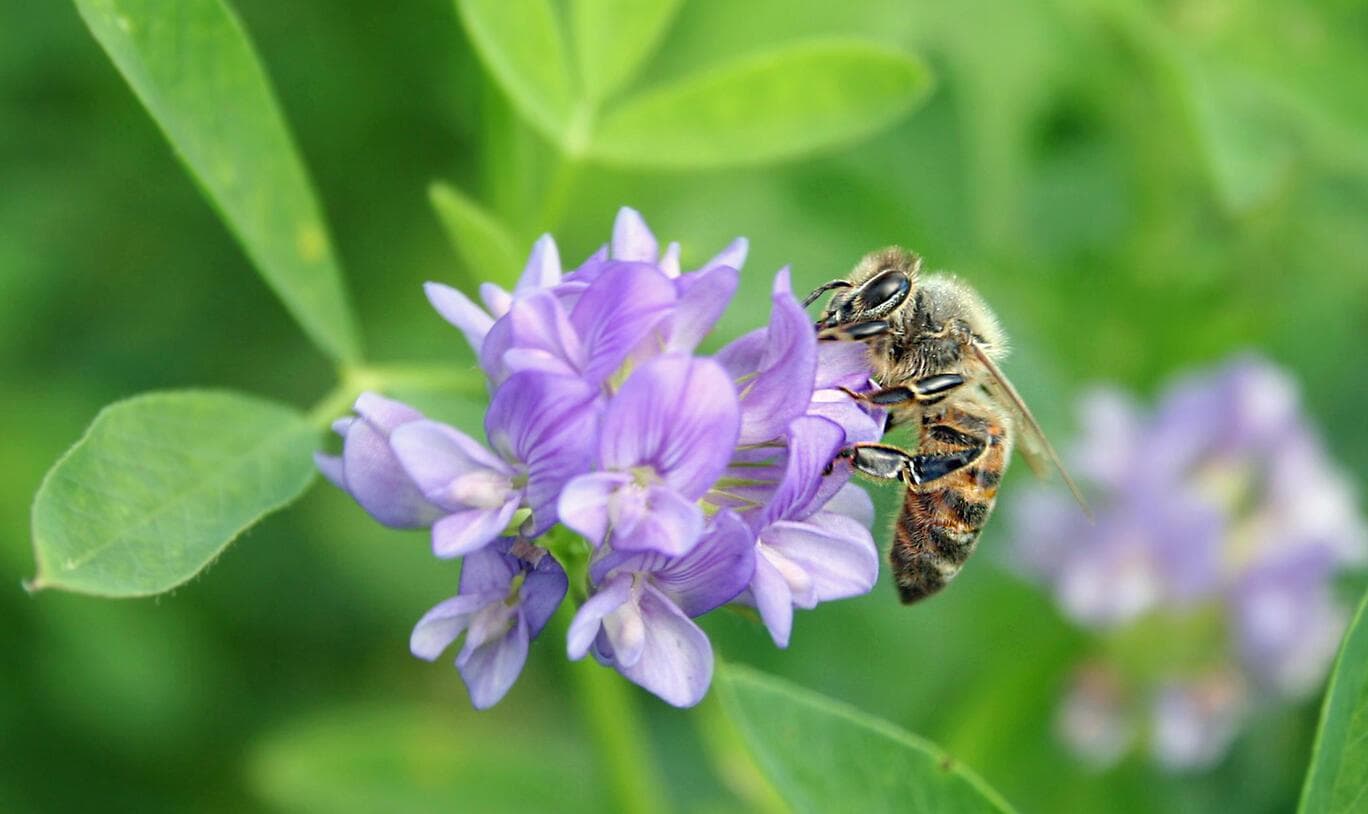
Famed regional source for exceptionally crisp, light White Sweet Clover honey
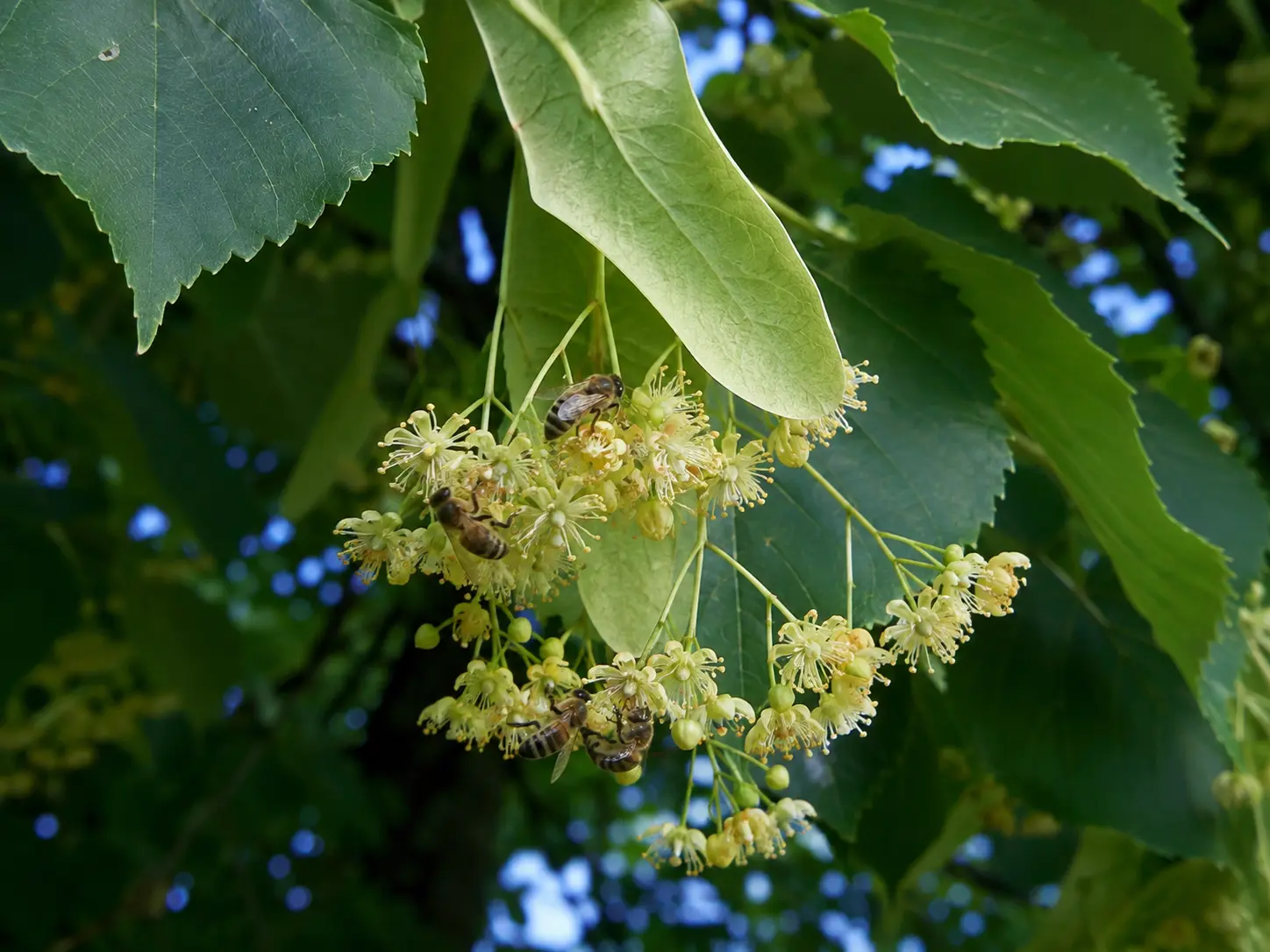
Rich early season Tulip Poplar and Basswood timber flows across the Ozarks
Vibrant artisanal community driven by some of the most active Midwest clubs
Local Varietals
Hawthorn
None designated
Ranging from water-white and extra-light amber during northern clover and alfalfa harvests to rich, medium ambers derived from Ozark tulip poplar and late-season wildflower flows.
July, August, October
Interactive year-round nectar flow guide
Peak nectar flow: June, July, September
Bloom Calendar
Click any month on the wheel to explore local forage details.
Moderate Flow
Spring foraging hits full stride as wild blackberry, crimson clover, and majestic tulip poplar trees bloom, sparking rapid colony scaling and early honey storage.
Beekeeping in Missouri highlights the distinct ecological crossroads of the American Midwest, blending vast northern agricultural plains with the rugged timber profiles of the Ozark Plateau. This unique geographical variety generates a highly dynamic foraging calendar for honeybee colonies. In the northern counties, large-scale pasture tracts of white sweet clover and alfalfa provide rich, reliable summer flows that drive commercial surpluses. Conversely, southern and central apiaries weave through extensive oak-hickory and tulip poplar forests, gathering deeply complex, robust wildflower blends. Backed by a historic, deeply dedicated network of county bee clubs and the long-standing Missouri State Beekeepers Association, the state maintains a passionate, community-driven honey identity that successfully manages cold-climate wintering demands.
Missouri is home to the nation's oldest continuously operating state-level apicultural organization, with the Missouri State Beekeepers Association actively serving local honeybee enthusiasts and defending regional beekeeping interests since its founding in 1889.
From the Blog
Acacia honey is sold as the diabetic-friendly honey, usually with a glycemic index of 32. That number is unsourced — here is what has actually been measured.

A five-minute honey syrup that blends seamlessly into shaken and stirred drinks — all the floral depth of raw honey, none of the clumping.

The classic Prohibition-era gin sour, sweetened with honey syrup instead of sugar.
#38
National Rank
by honey production
561K lbs
Annual Honey
USDA NASS Honey Production Report
11,000
Managed Colonies
USDA NASS Honey Production Report
3,500
Registered Beekeepers
Colony numbers and production volumes are derived from official metrics compiled by the USDA National Agricultural Statistics Service. Because these baseline assessments strictly track commercial operations managing five or more hives, Missouri's dense network of back-lot hobbyists and suburban sideliners is largely unrepresented, meaning true resident hive counts and total artisanal honey yields trend significantly higher.
Connect with these premier honey producers for the best local experience
Don't miss these exciting honey and beekeeping events in Missouri
We couldn't find any events matching your criteria. Try adjusting your search terms or filters to discover more events.
The State of Missouri does not mandate formal apiary registration or impose state-level fees for placing stationary hives. Beekeepers are strongly encouraged to register their yards voluntarily through the online FieldWatch BeeCheck mapping framework to safeguard colonies from chemical drift and pesticide exposure. Under the Missouri Apiculture Law, the Department of Agriculture conducts inspections primarily upon explicit request or for interstate health certification.
Missouri State Beekeepers Association
StatewideVisit WebsiteThe Missouri State Beekeepers Association (MSBA) serves as the primary educational hub and legislative voice for apiarists statewide. The association partners closely with University of Missouri Extension to run comprehensive beginner bee schools and coordinate regional swarm removal networks.
Saint Louis Beekeepers
Visit WebsiteState Dept. of Agriculture
Apiary Program230 feet (Saint Francis River) to 1,772 feet (Taum Sauk Mountain)
Missouri's topography transitions from flat, glaciated northern agricultural basins to the deeply forested, rocky valleys of the southern Ozark Uplands. Successfully managing colonies across these diverse zones requires highly adaptive wintering protocols to mitigate shifting moisture retention patterns and severe windchill vectors typical of the central plains.