1
Massive honey production surges driven by the invasive Chinese Tallow tree canopy
Your Complete Guide to Fresh, Local Honey
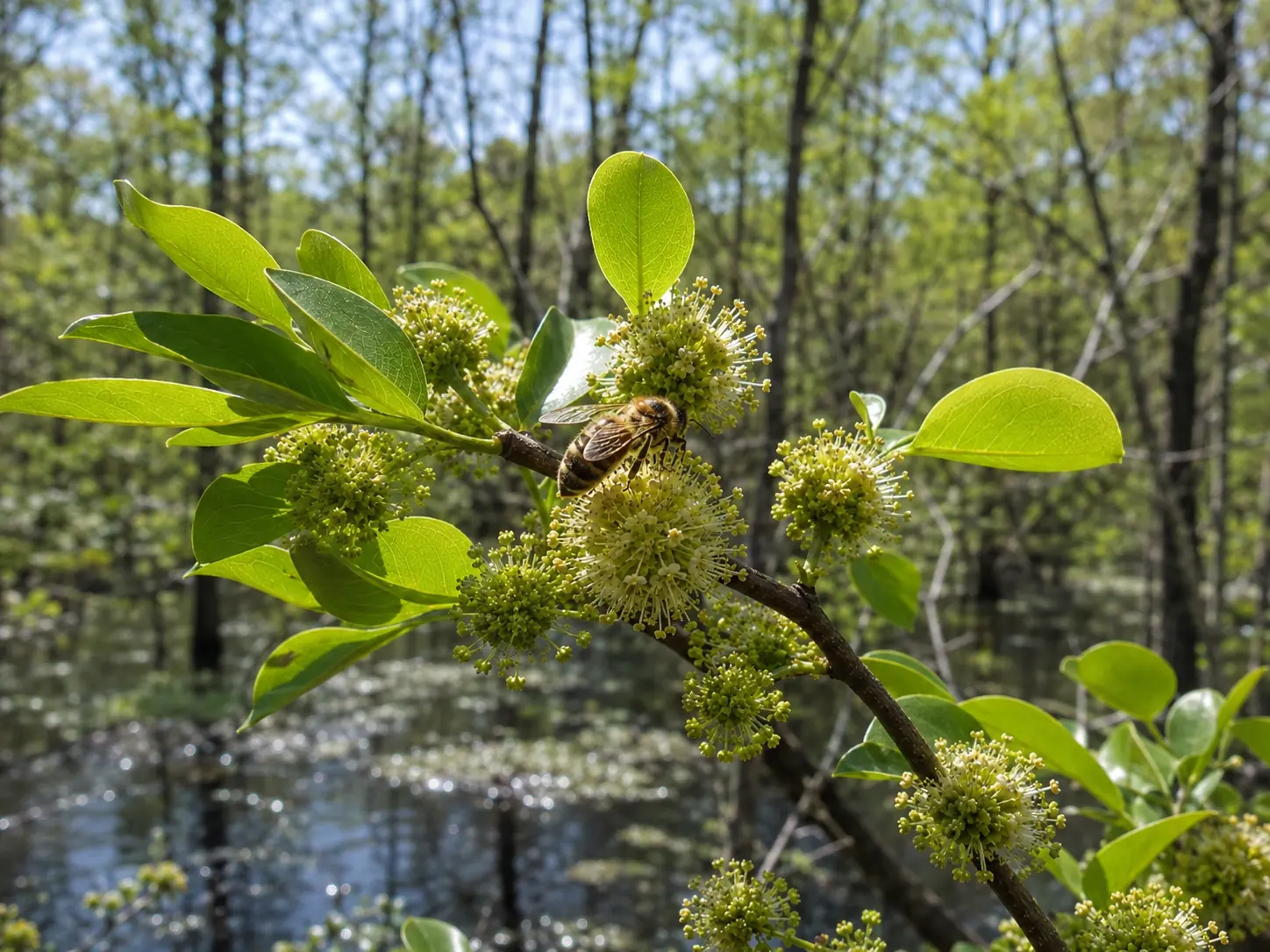
The Louisiana honey scene is defined by its wetlands and subtropical climate. Beekeepers here harvest "Cajun honey" from the Chinese Tallow tree, which provides a massive, reliable nectar flow. In the deep swamps, small-batch harvests of Tupelo and Willow honey offer a taste of the bayou, while the coastal prairies provide diverse wildflower blooms year-round.
What Sets Louisiana Apart
Massive honey production surges driven by the invasive Chinese Tallow tree canopy
Home of high-value artisanal Tupelo and Black Willow honey harvests inside the Atchafalaya Basin
Subtropical wetland environment enabling highly accelerated spring brood-rearing configurations
Mandatory state apiary permits for all resident hobbyists and commercial operators
Pioneering pollinator protection frameworks supported by the LSU AgCenter research extensions
Local Varietals
Magnolia
Light amber with a distinct greenish cast for premium Tallow flows; water-white to pale yellow for early Willow and Tupelo swamp harvests
May, June, October
Interactive year-round nectar flow guide
Peak nectar flow: May, June
Bloom Calendar
Click any month on the wheel to explore local forage details.
Peak Nectar Flow
The immense Chinese Tallow flow hits its stride. Millions of wetland bees pack honey supers with water-clear nectar, marking the absolute peak production window of the year.
Beekeeping in the Bayou State is a unique journey through subtropical wetlands, dense bottomland hardwood forests, and rich coastal prairies. The modern Louisiana honey scene balances extensive commercial migratory holding yards with deeply rooted generational swamp apiaries. Beekeepers here navigate specialized regional challenges like intense humidity, devastating hurricane displacements, and localized \"purple brood\" plant toxicities, capitalizing on short, hyper-abundant nectar surges that fill honey supers at remarkable daily velocities.
Louisiana beekeepers harvest huge commercial quantities of \"Cajun Honey\" from the Chinese Tallow tree; though classified as an invasive noxious weed, its spectacular nectar flow makes it the undisputed engine of the state's honey crop.
From the Blog
Acacia honey is sold as the diabetic-friendly honey, usually with a glycemic index of 32. That number is unsourced — here is what has actually been measured.
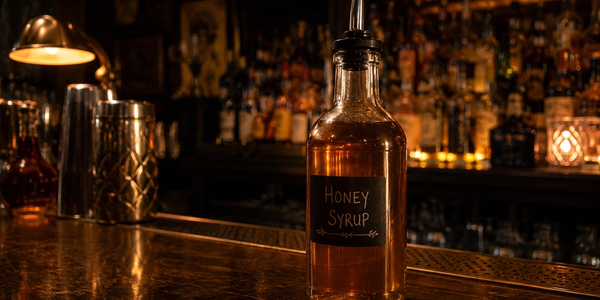
A five-minute honey syrup that blends seamlessly into shaken and stirred drinks — all the floral depth of raw honey, none of the clumping.
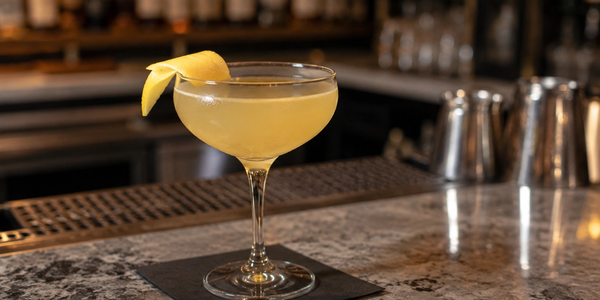
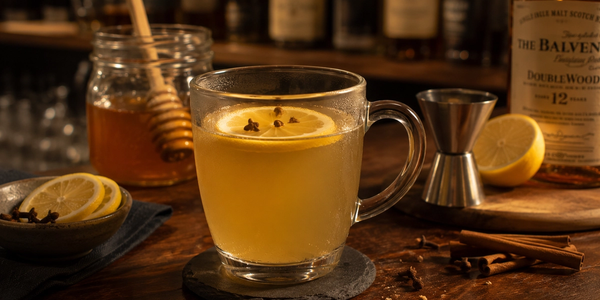
The classic Prohibition-era gin sour, sweetened with honey syrup instead of sugar.
#18
National Rank
by honey production
1.4M lbs
Annual Honey
USDA NASS Honey Report
32,000
Managed Colonies
USDA NASS Honey Report
USDA NASS statistics strictly reflect metrics captured from commercial operations operating five or more honey-producing colonies. Total hive populations dynamically surge during late autumn and early winter as thousands of migratory colonies from northern states choose Louisiana's mild wetlands as a winter holding playground ahead of California almond shipments.
Connect with these premier honey producers for the best local experience
Don't miss these exciting honey and beekeeping events in Louisiana
We couldn't find any events matching your criteria. Try adjusting your search terms or filters to discover more events.
Louisiana Apiary Law (RS 3:2301-2311) strictly dictates that all persons keeping bees must register their colony counts with the LDAF Apiary Program annually. Permits expire on September 30th of each year, and fees vary based on residential status and overall hive counts. Moving apiaries across county or state lines requires formal diagnostic health certifications.
Louisiana Beekeepers Association
StatewideVisit WebsiteThe LBA hosts its prominent annual convention each August, administers localized youth scholarship initiatives, and coordinates closely with the LSU AgCenter to deliver up-to-date pest management education.
State Dept. of Agriculture
Apiary Program8 feet below sea level to 535 feet (Driskill Mountain)
Louisiana is dominated by low-lying delta plains, coastal marshlands, and expansive backwater swamp basins. High ambient summer humidity levels dictate that bees work harder to evaporate and cure nectar, while seasonal precipitation variances strongly affect the sugar concentration profiles of bottomland hardwood blossoms.