1
Home of the highly targeted Certified Kentucky Honey Producers (CKHP) validation program
Your Complete Guide to Fresh, Local Honey
Kentucky beekeeping is a blend of mountain tradition and fertile pasture forage. The eastern ridges produce the highly coveted Sourwood honey, known for its spicy, caramel-like finish. In the central Bluegrass region, bees thrive on abundant white clover and tulip poplar trees, producing a rich, dark amber honey that is a staple of local farmers markets.
What Sets Kentucky Apart
Home of the highly targeted Certified Kentucky Honey Producers (CKHP) validation program
Coveted and artisanal Sourwood harvests within the high Eastern Appalachian ridges
Critical ecological symbiosis between the state cattle pasture loops and honeybee foraging
Pioneering surface-mine reclamation initiatives transformed into major pollinator corridors
Vast tree canopy harvests headlined by the native Tulip Poplar and Black Locust woods
Local Varietals
Goldenrod
None Designated
Water-clear to extra-light amber for Black Locust and Sourwood flows; deep rich amber with reddish undertones for Tulip Poplar tree harvests
June, July, September
Interactive year-round nectar flow guide
Peak nectar flow: May, June
Bloom Calendar
Click any month on the wheel to explore local forage details.
Peak Nectar Flow
The immense Kentucky tree canopy flow erupts. Millions of forest honeybees strip nectar from blooming tulip poplars and black locust groves, filling honey supers with remarkable speed.
Beekeeping in the Bluegrass State is deeply intertwined with traditional Appalachian forestry and diverse pastoral agricultural systems. From the vast, unglaciated mountain woods in the east to the rolling livestock pastures of central Kentucky, bees play a structural role in the ecosystem. The legacy of Kentucky apiculture is elevated by a rich history of tree canopy foraging, where ancient tulip poplars and black locusts yield significant spring honey surges before migratory operations target the rare, butter-caramel sourwood flows along the ridge lines.
Kentucky features a unique connection between its legendary cattle industry and its bees; honeybees pollinate the vast white clover fields that feed the state's massive beef and dairy herds, matching cattle and bee layouts perfectly.
From the Blog
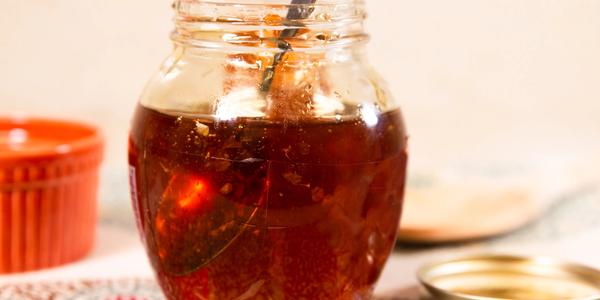
Acacia honey is sold as the diabetic-friendly honey, usually with a glycemic index of 32. That number is unsourced — here is what has actually been measured.
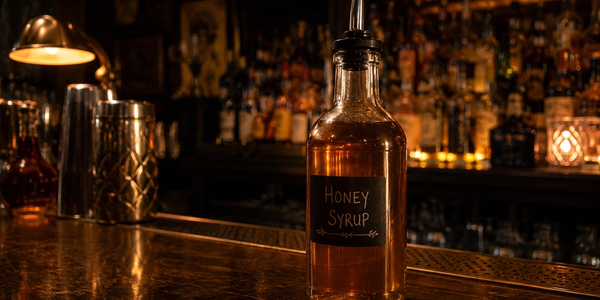
A five-minute honey syrup that blends seamlessly into shaken and stirred drinks — all the floral depth of raw honey, none of the clumping.

The classic Prohibition-era gin sour, sweetened with honey syrup instead of sugar.
#36
National Rank
by honey production
300K lbs
Annual Honey
USDA NASS Honey Report
6,000
Managed Colonies
USDA NASS Honey Report
3,200
Registered Beekeepers
USDA NASS reports strictly capture metrics for commercial operations managing five or more honey-producing colonies. Because Kentucky's apiary network is heavily dominated by small-scale backyard hobbyists, woodlot traditionalists, and coal-country reclamation sites, thousands of hives are excluded from federal tallies.
Connect with these premier honey producers for the best local experience
Don't miss these exciting honey and beekeeping events in Kentucky
We couldn't find any events matching your criteria. Try adjusting your search terms or filters to discover more events.
Kentucky state statutes do not impose mandatory hive registration or licensing fees for residential beekeepers. Apiarists are granted a broad legal right to maintain hives under state agricultural definitions unless blocked by specific municipal nuisance laws. Moving bees across the state line requires an official health certificate processed by the State Apiarist.
Kentucky State Beekeepers Association
StatewideVisit WebsiteThe KSBA administers the Certified Kentucky Honey Producers (CKHP) seal of authenticity, helping consumers identify genuine honey that has been entirely produced, harvested, and bottled within Kentucky borders.
State Dept. of Agriculture
Apiary Program257 feet to 4,145 feet (Black Mountain)
Kentucky features striking topographic splits, transitioning from the deep sandstone valleys and oak-hickory forests of the Appalachian east to the fertile limestone beds of the central Bluegrass region. Successful management requires tracking altitude, as eastern ridge lines host specialized floral flows like sourwood that are absent in the western plains.