1
Legendary honey producer situated inside the classic Upper Midwest Honey Belt
Your Complete Guide to Fresh, Local Honey
Iowa’s honey scene is a cornerstone of the Midwestern "Honey Belt." The state’s landscape is dominated by clover and alfalfa, which results in the quintessential light, sweet honey found in many American homes. Iowa beekeepers are also vital to the pollination of the state’s massive apple and berry crops.
What Sets Iowa Apart
Legendary honey producer situated inside the classic Upper Midwest Honey Belt
Protective state legal frameworks backed by the landmark Iowa Bee Rule
Prolific summer honey surpluses driven by white sweet clover and alfalfa pastures
Deeply active state association networks operating continuously since 1912
Innovative urban phenology tracking and localized bee rescue frameworks
Local Varietals
Wild Prairie Rose
None Designated
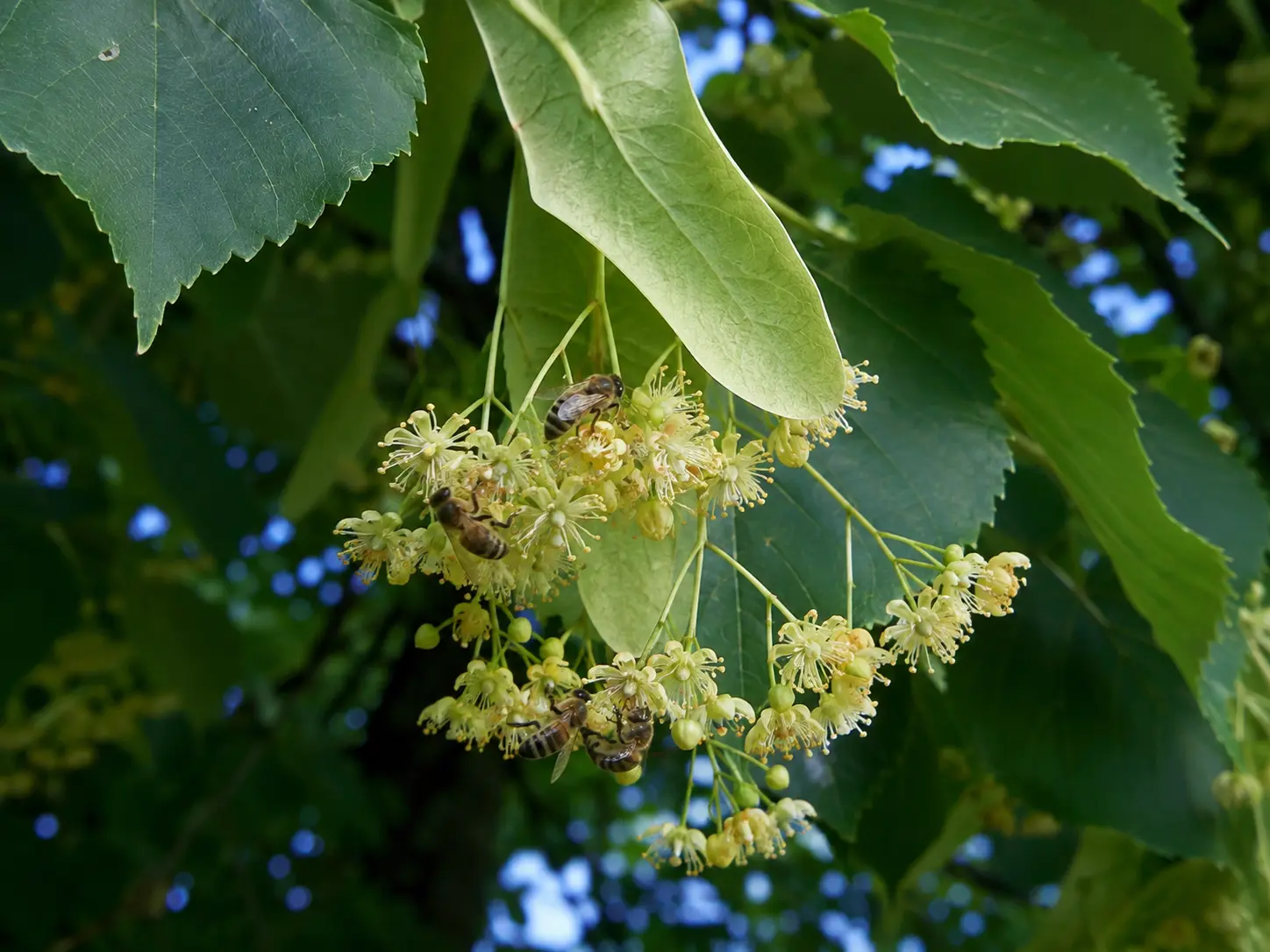
Water-white to extra-light amber during peak clover seasons; clear pale green tint for Basswood tree flows; warm amber for autumn aster foraging
July, August, September
Interactive year-round nectar flow guide
Peak nectar flow: June, July
Bloom Calendar
Click any month on the wheel to explore local forage details.
Moderate Flow
Woodland tree canopies open wide. Foraging bees exploit heavy tulip poplar, black locust, and wild raspberry flows, building a strong field force ahead of the pasture surges.
Beekeeping in the Hawkeye State represents the heartbeat of the historic Midwestern Honey Belt. Renowned for its vast expanses of deep prairie soils and agricultural forage, Iowa beekeepers have spent over a century harvesting some of the mildest, high-clarity clover honey in the world. As farming shifted toward intensive corn and soybean production, modern Iowa apiarists have pivoted toward highly collaborative fence-line and prairie restoration partnerships to maintain the robust summer nectar corridors that support thousands of hives.
Iowa has one of the country's strongest bee protection laws; under the Iowa Bee Rule, commercial pesticide applicators are legally forbidden from spraying blooming crops within a one-mile radius of any registered apiary between 8 a.m. and 6 p.m.
From the Blog
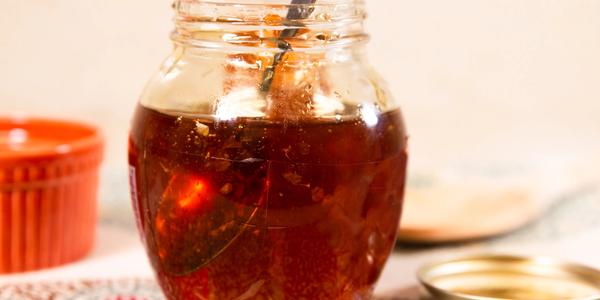
Acacia honey is sold as the diabetic-friendly honey, usually with a glycemic index of 32. That number is unsourced — here is what has actually been measured.
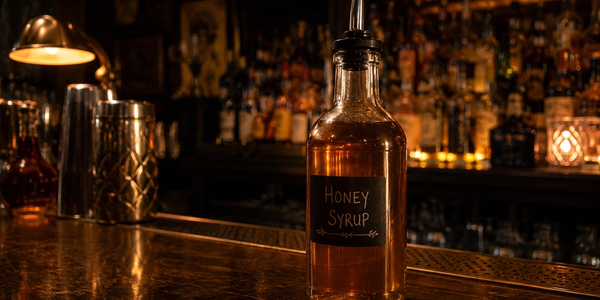
A five-minute honey syrup that blends seamlessly into shaken and stirred drinks — all the floral depth of raw honey, none of the clumping.
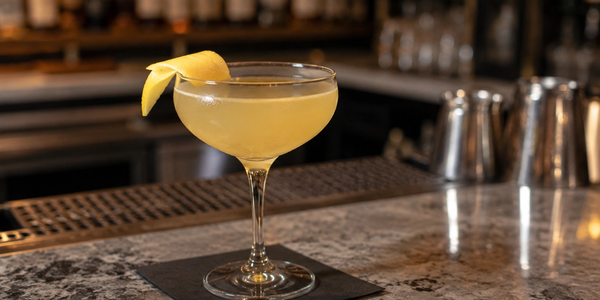
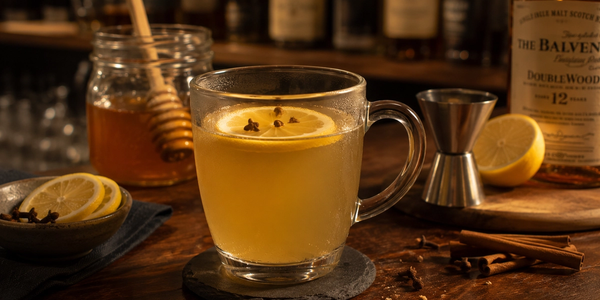
The classic Prohibition-era gin sour, sweetened with honey syrup instead of sugar.
#16
National Rank
by honey production
2.6M lbs
Annual Honey
USDA NASS Honey Report
40,000
Managed Colonies
USDA NASS Honey Report
4,500
Registered Beekeepers
USDA NASS figures exclusively track commercial apiaries running five or more honey-producing hives. This baseline configuration excludes a massive network of backyard hobbyists and small orchardists managed across Iowa's 99 counties, which pushes total colony numbers significantly higher.
Connect with these premier honey producers for the best local experience
Don't miss these exciting honey and beekeeping events in Iowa
We couldn't find any events matching your criteria. Try adjusting your search terms or filters to discover more events.
State apiary laws do not mandate colony registration for residential hobbyists, but voluntary placement on the state Sensitive Crops Directory via BeeCheck activates the Iowa Bee Rule spray-ban radius. Inter-state migratory beekeepers must secure a mandatory Apiary Entry Permit verifying a clean inspection record from their state of origin.
Iowa Honey Producers Association
StatewideVisit WebsiteOperating continuously since 1912, the IHPA actively funds honeybee research, maintains an annual Honey Queen educational ambassador program, and runs major educational showcases at the Iowa State Fair.
State Dept. of Agriculture
Apiary Program480 feet to 1,670 feet
Iowa exhibits a rolling topsoil plain heavily altered by industrial crop production. Successful honey production relies on microtopographic island sanctuaries such as river basins, conservation reserve program (CRP) prairie tracts, and the steep unglaciated bluffs of the Loess Hills where diverse floral ecosystems evade intensive row-crop management.