1
Core home of the Purdue "Ankle-Biter" Varroa-resistant bee breeding program
Your Complete Guide to Fresh, Local Honey
Indiana beekeepers harvest over 600,000 pounds of honey annually. The state’s diverse landscape provides a mix of agricultural crops like soybeans and natural forest forage. Spring harvests often feature the elusive and water-clear Black Locust honey, while the late summer brings a bounty of Dutch clover and goldenrod.
What Sets Indiana Apart
Core home of the Purdue "Ankle-Biter" Varroa-resistant bee breeding program
Elusive, premium water-clear Black Locust spring honey harvests
Vast foraging territories spanning hardwood forests and clover pastures
Over 9,000 intensely managed commercial and artisanal baseline colonies
Strong networks of local county clubs under a centralized state association
Local Varietals
Peony
None Designated
Water-clear to extra-light amber for spring tree flows; medium amber to deep golden for late summer and autumn pasture foraging
June, July, September
Interactive year-round nectar flow guide
Peak nectar flow: May, June
Bloom Calendar
Click any month on the wheel to explore local forage details.
Peak Nectar Flow
The spectacular spring canopy flow erupts. Hives rush to harvest water-clear Black Locust and tulip poplar blooms, filling honey supers with remarkable speed.
Beekeeping in the Hoosier State balances large agricultural crop pollination loops with rich forest-canopy nectar collections. Historically driven by small family farmsteads, contemporary Indiana apiculture is deeply connected to cutting-edge scientific research at Purdue University. Beekeepers across the state work to cultivate hearty lines capable of withstanding volatile Midwestern winter freezes, relying closely on native hardwood ecosystems like tulip poplars and basswoods to kick off heavy honey supers early in the season.
Indiana is a global hub for honeybee genetics; researchers at Purdue University have successfully bred a world-famous \"Ankle-Biter\" strain of bees that actively chew the legs off predatory Varroa mites to protect the colony.
From the Blog
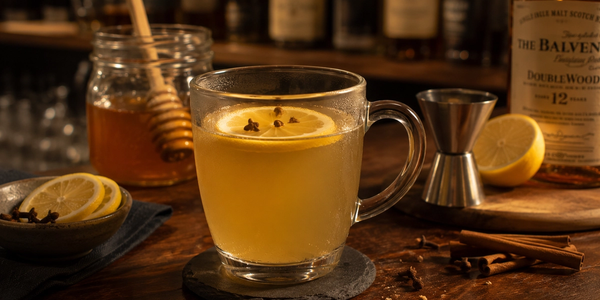
Acacia honey is sold as the diabetic-friendly honey, usually with a glycemic index of 32. That number is unsourced — here is what has actually been measured.
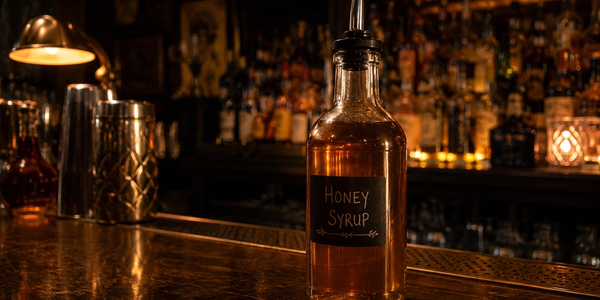
A five-minute honey syrup that blends seamlessly into shaken and stirred drinks — all the floral depth of raw honey, none of the clumping.
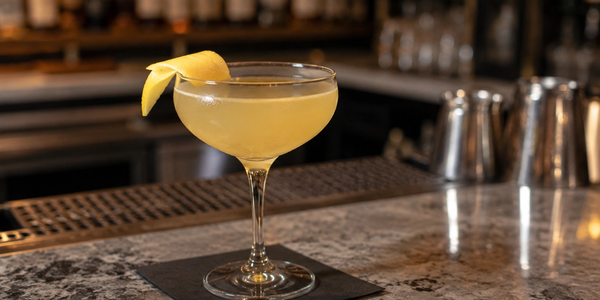
The classic Prohibition-era gin sour, sweetened with honey syrup instead of sugar.
#32
National Rank
by honey production
477K lbs
Annual Honey
USDA NASS Honey Report
9,000
Managed Colonies
USDA NASS Honey Report
3,500
Registered Beekeepers
USDA census statistics strictly capture figures for apiaries maintaining five or more managed honey-producing colonies. The true layout of Indiana apiculture contains thousands of additional backyard hobbyists and small orchards whose metrics are omitted from structural federal tallies.
Connect with these premier honey producers for the best local experience
Don't miss these exciting honey and beekeeping events in Indiana
We couldn't find any events matching your criteria. Try adjusting your search terms or filters to discover more events.
Hive registration is strictly voluntary via Indiana DNR State Form 47075. However, importing bees or used equipment from other states requires an official regulatory health certificate. Local zoning rules dictate setback limits, hive counts, and mandatory flyway barrier configurations within individual town boundaries.
The Beekeepers of Indiana
StatewideVisit WebsiteThe Beekeepers of Indiana hosts the annual Indiana Bee School, which stands as one of the largest single-day educational apiary conferences in the Midwest.
State Dept. of Agriculture
Apiary Program320 feet to 1,257 feet
Indiana features a distinct climate transition from the flat, glaciated northern plains down to the deeply carved sandstone hills and heavy hardwood forests of the southern counties. Beekeepers must time their spring hive management dynamically, as southern woodland colonies start ramping up production weeks ahead of northern pasture apiaries.