1
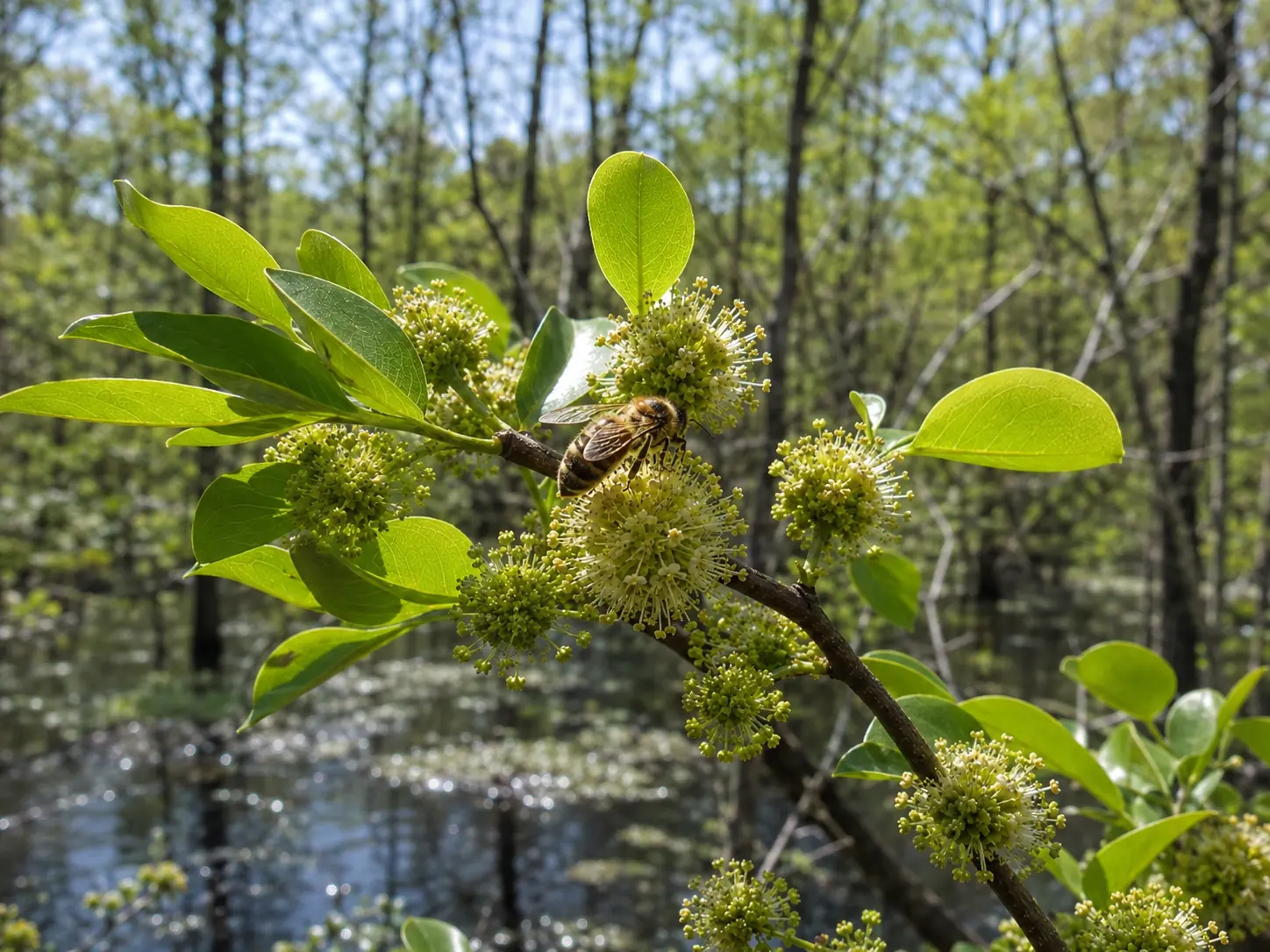
Home to the world-famous, certified White Tupelo honey
Your Complete Guide to Fresh, Local Honey
Florida is a legendary hub for beekeeping, hosting over 650,000 managed colonies. The state is world-renowned for "Liquid Gold" Tupelo honey, harvested in the Panhandle swamps, and the fragrant Orange Blossom honey of the central ridges. Florida’s mild winters make it a vital wintering ground for commercial beekeepers nationwide.
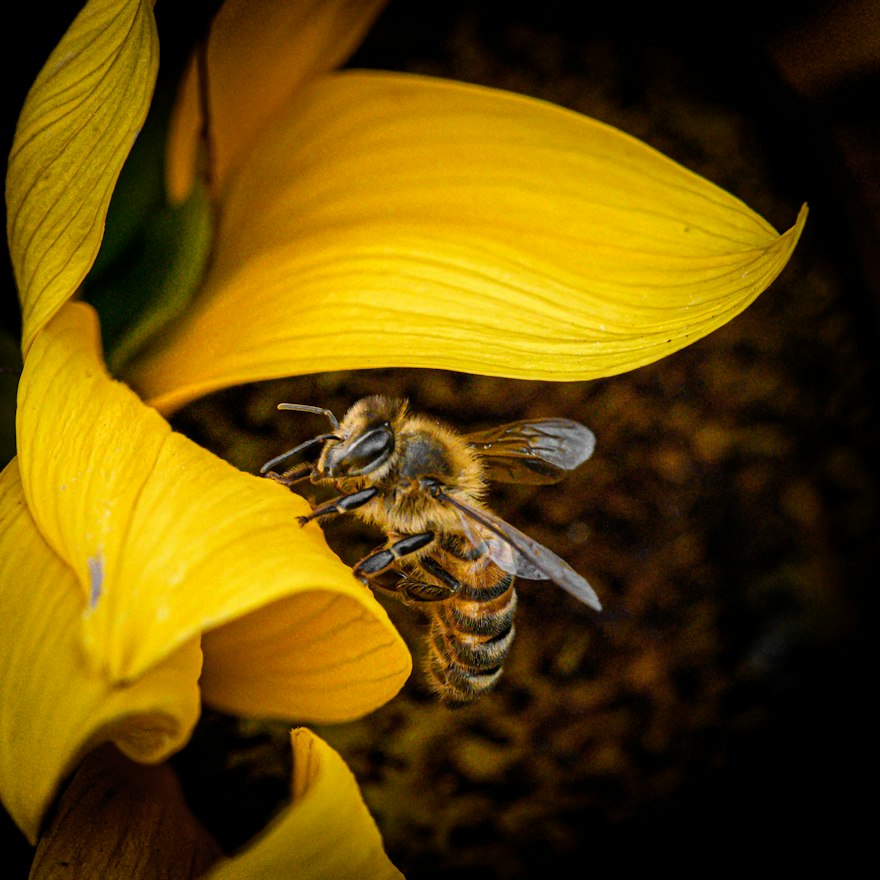
Photo by Richard Sagredo on Unsplash
Photo by Richard Sagredo on Unsplash
What Sets Florida Apart
Home to the world-famous, certified White Tupelo honey
Ranks 4th nationally in commercial honey production
Primary wintering and staging ground for migratory US beekeepers
Protected backyard beekeeping rights via state-level statutory preemption
Local Varietals
Orange Blossom
Water white with a greenish cast to dark amber
May, June, October
Interactive year-round nectar flow guide
Peak nectar flow: March, April, May, September, October
Bloom Calendar
Click any month on the wheel to explore local forage details.
Peak Nectar Flow
The biggest native wild harvest hits. Vast tracts of saw palmetto and gallberry bushes provide a heavy, rich, and dark nectar flow.
Beekeeping in Florida is a massive, year-round powerhouse enterprise. The state operates as the cradle of American apiculture; every autumn, hundreds of thousands of colonies travel down from the Midwest and Northeast to stage in Florida’s mild winter zones ahead of the California almond pollination rush. For permanent local apiaries, the year is defined by quick, hyper-localized flows—chasing the brief two-week tupelo window along the Apalachicola river systems before rushing hives down south to catch the dense saw palmetto flatwoods.
Pure Florida Tupelo honey has a naturally high concentration of fructose relative to glucose, which allows it to remain in a liquid state for decades without ever crystallizing.
From the Blog
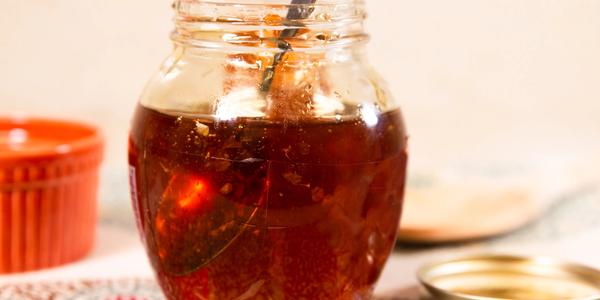
Acacia honey is sold as the diabetic-friendly honey, usually with a glycemic index of 32. That number is unsourced — here is what has actually been measured.
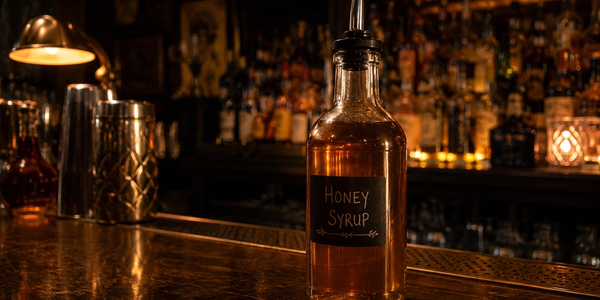
A five-minute honey syrup that blends seamlessly into shaken and stirred drinks — all the floral depth of raw honey, none of the clumping.
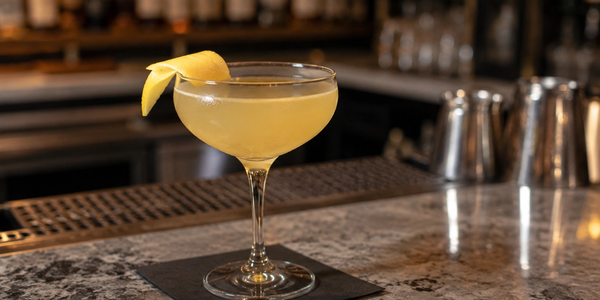
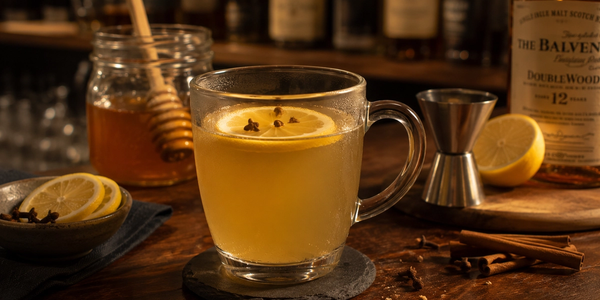
The classic Prohibition-era gin sour, sweetened with honey syrup instead of sugar.
#4
National Rank
by honey production
13.2M lbs
Annual Honey
USDA NASS 2024 Honey Report (Released March 2025)
210,000
Managed Colonies
USDA NASS 2024 Honey Report (Released March 2025)
5,000
Registered Beekeepers
The USDA NASS figures specifically catalog resident, honey-producing commercial baseline entities with 5 or more colonies. The actual, lived environmental colony footprint inside Florida borders dramatically swells past 650,000 managed hives during the late autumn and winter seasons due to hundreds of out-of-state migratory commercial operations overwintering in the state before staging for Western almond crops.
Connect with these premier honey producers for the best local experience
Don't miss these exciting honey and beekeeping events in Florida
Discover amazing honey and beekeeping experiences
Showing 1 events • More events coming soon
All apiaries must be registered with the FDACS Division of Plant Industry. Under Florida Chapter 586, state regulations preempt local municipal bans, protecting the right to manage backyard hives as long as FDACS inspector setback limits are maintained.
State Dept. of Agriculture
Apiary ProgramSea level to 345 feet (Britton Hill)
High humidity profiles require meticulous honey house dehumidification systems during extraction loops to prevent moisture percentages from exceeding official grading guidelines.