1
Mandatory, free annual apiary registration via CAES
Your Complete Guide to Fresh, Local Honey
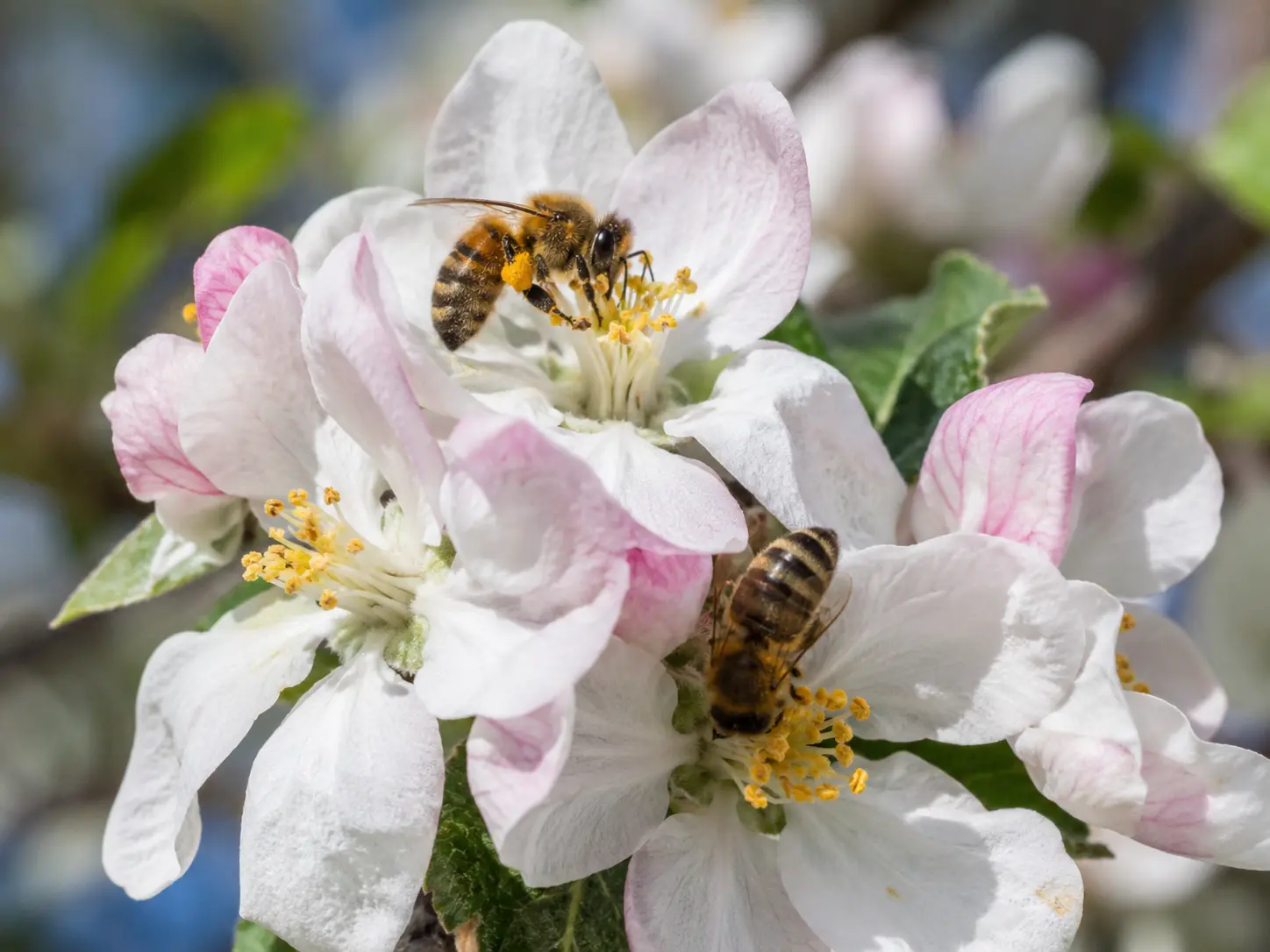
Connecticut may be small, but its beekeeping community is highly active and focused on artisanal quality. The state’s landscape of orchards and hardwood forests allows for specialized harvests like Apple Blossom and Black Locust honey. The "Fall Flow" of goldenrod and aster provides a final, robust harvest before the New England winter sets in.
What Sets Connecticut Apart
Mandatory, free annual apiary registration via CAES
Highly active artisanal beekeeping community
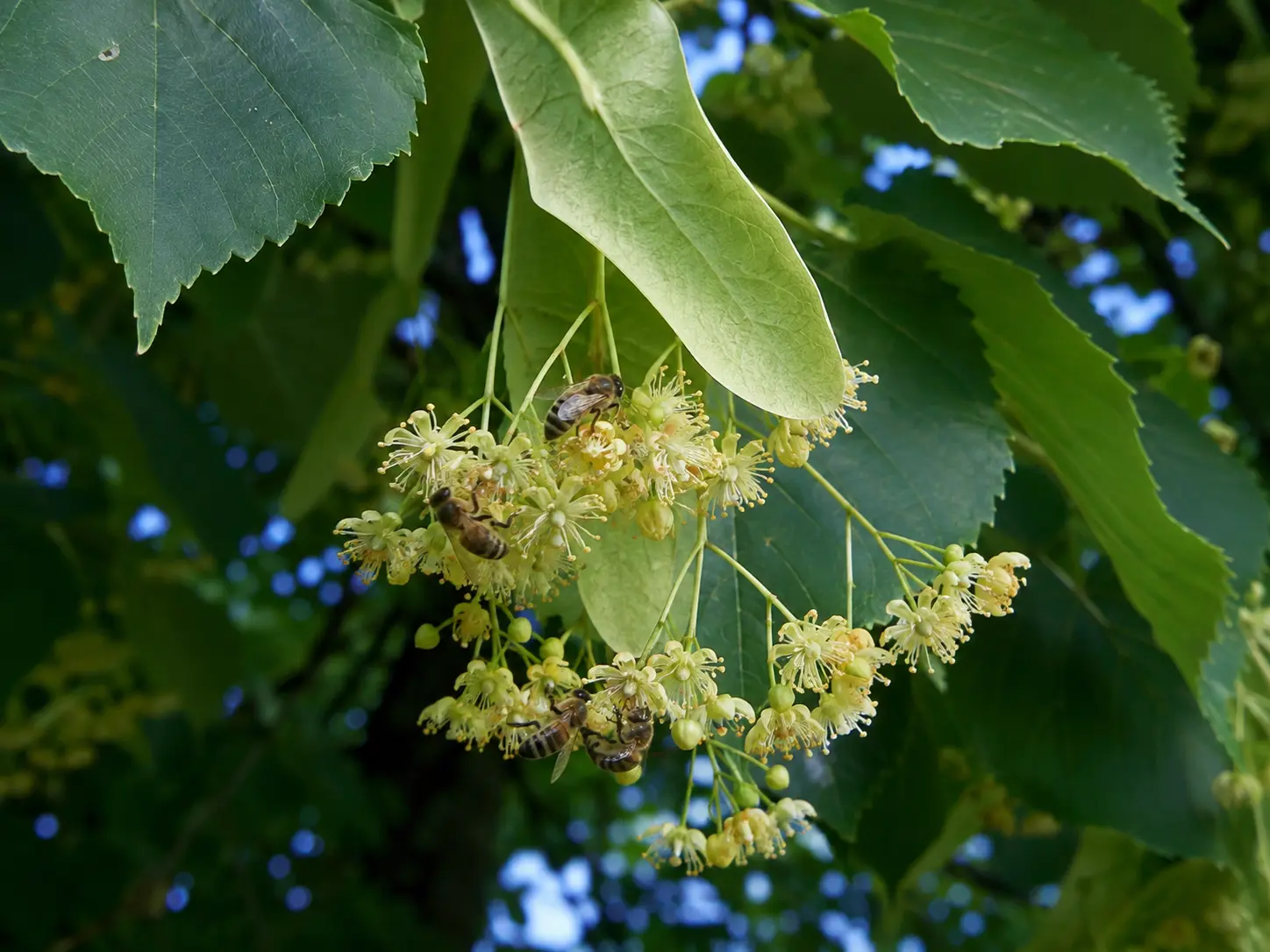
Famous for premium Black Locust and Basswood honey
Reliant on a critical Goldenrod 'Fall Flow' for winter survival
Local Varietals
Mountain Laurel
Water white (Locust) to dark amber (Fall Wildflower)
June, September
Interactive year-round nectar flow guide
Peak nectar flow: May, June, September
Bloom Calendar
Click any month on the wheel to explore local forage details.
Peak Nectar Flow
The primary spring nectar flow hits. Black locust trees and early clovers provide an intense, fast surge of premium, light-colored nectar.
Connecticut's beekeeping community is a tight-knit and active group, focusing heavily on artisanal, high-quality honey production over massive commercial pollination operations. Beekeepers manage hives across the state's diverse landscape, from coastal areas to dense hardwood forests and old New England apple orchards. The short but intense nectar flows heavily dictate the beekeeper's year, forcing them to prioritize strong spring buildups to capitalize on the Black Locust and Basswood blooms, before wrapping up with a critical "Fall Flow" of goldenrod to ensure the hives survive the harsh winters.
Connecticut has an extensive and highly active "Bloom Tracker" program run by the state's beekeepers association, allowing locals to meticulously log plant blooms, color, and nectar values in real-time to perfectly time their honey supers.
From the Blog
Acacia honey is sold as the diabetic-friendly honey, usually with a glycemic index of 32. That number is unsourced — here is what has actually been measured.
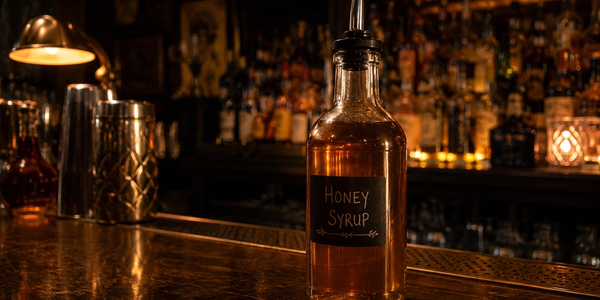
A five-minute honey syrup that blends seamlessly into shaken and stirred drinks — all the floral depth of raw honey, none of the clumping.
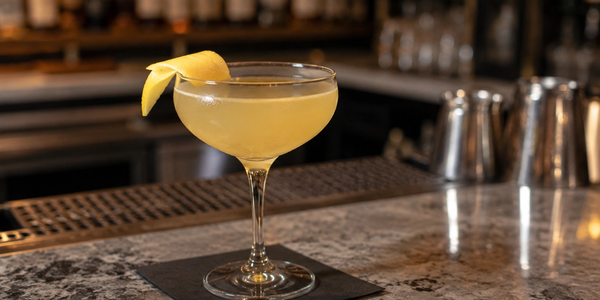
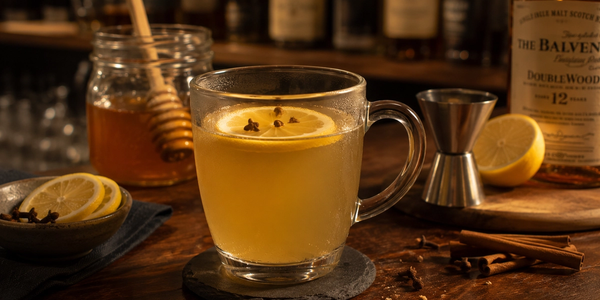
The classic Prohibition-era gin sour, sweetened with honey syrup instead of sugar.
7,628
Managed Colonies
CAES State Entomologist Report
The USDA NASS merges Connecticut's specific production data into the "Other States" category due to the small number of commercial operations, making exact annual state-level agricultural totals unpublished. CAES reports approximately 1,500 registered beekeepers managing over 7,600 hives.
Connect with these premier honey producers for the best local experience
Don't miss these exciting honey and beekeeping events in Connecticut
We couldn't find any events matching your criteria. Try adjusting your search terms or filters to discover more events.
Connecticut law requires all beekeepers to register their hives annually by October 1st with the State Entomologist (at no cost) to help monitor and prevent disease outbreaks. While there are statewide best practices recommended (like 6-foot flyway barriers for hives near property lines), actual backyard bans, hive limits, and setback rules are determined locally by individual municipal zoning boards.
Connecticut Beekeepers Association
StatewideVisit WebsiteThe Connecticut Beekeepers Association maintains close collaborative ties with the Connecticut Agricultural Experiment Station to run educational workshops and monitor regional trends.
State Dept. of Agriculture
Apiary ProgramSea level to 2,380 feet
Connecticut has surprisingly diverse microclimates for its size. Bloom times can vary by up to three weeks between the warmer southern coastal regions along Long Island Sound and the cooler, higher-elevation Litchfield Hills in the northwest.