1
Renowned for water-white, ultra-mild Alfalfa and Sweet Clover honeys
Your Complete Guide to Fresh, Local Honey
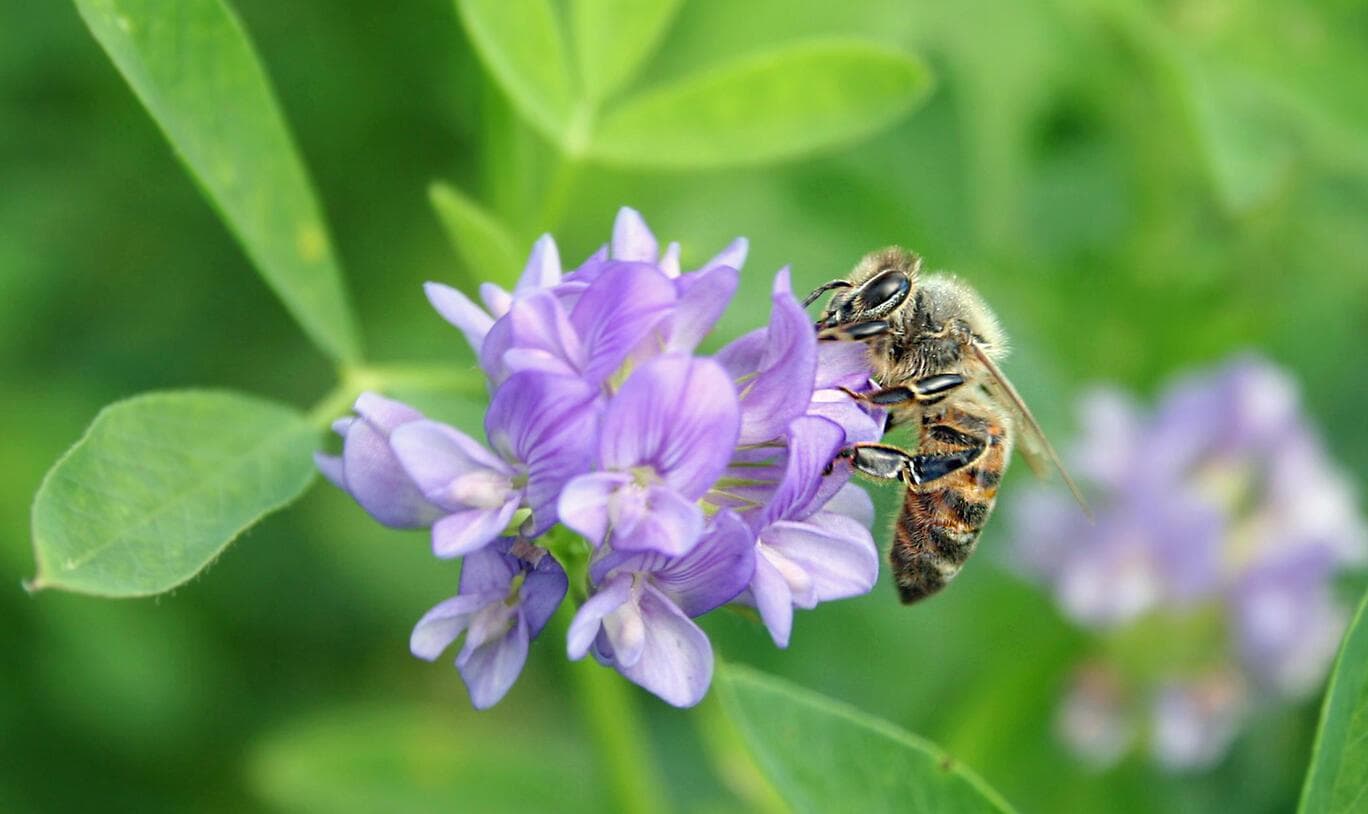
The Wyoming honey scene is defined by wide-open spaces and high-altitude purity. The state is a major contributor to the American honey supply, with large-scale apiaries focusing on the massive nectar flows of the Big Horn and Powder River basins. Wyoming Alfalfa honey is particularly sought after for its mild flavor and light, extra-white appearance.
What Sets Wyoming Apart
Renowned for water-white, ultra-mild Alfalfa and Sweet Clover honeys
Enforces a strict two-mile statutory distance rule between commercial apiaries
Mandatory annual apiary mapping with latitude and longitude data via the WDA
Home to the annual Wyoming Bee College educational extension framework
Extremely low moisture honey yields driven by dry high plains atmospheres
Local Varietals
Indian Paintbrush
Honey Bee
Water-white to extra-light clear straw hue from basin legumes; turns light amber from autumn rabbitbrush flows.
July, August, September
Interactive year-round nectar flow guide
Peak nectar flow: June, July
Bloom Calendar
Click any month on the wheel to explore local forage details.
Moderate Flow
Spring colony build-up finally accelerates as legume rows, wild berries, dandelions, and native fruit tree blossoms across lower valley floors provide a moderate maintenance flow to feed expanding brood nests.
Sweeping mountain horizons, harsh high-desert steppes, and vast irrigated river basins frame the unique high-altitude apicultural framework of the Equality State. Unlike eastern pasture models, local beekeepers face extreme weather swings, managing colonies that must withstand biting winds and sub-zero winters before executing explosive summer production cycles. Sideliners must tie their yards closely to river corridors or irrigated agricultural zones where hay production forms the backbone of available forage. The regional economy is a blend of large-scale commercial migratory businesses—which stage hives in southern states for winter before returning to the plains—and an intensely dedicated local hobbyist group trained by top extension labs.
Wyoming apiary law implements a strict two-mile territory buffer between commercial bee yards; the state department is legally barred from issuing a registration to any new general apiary located less than two miles from an existing operator.
From the Blog
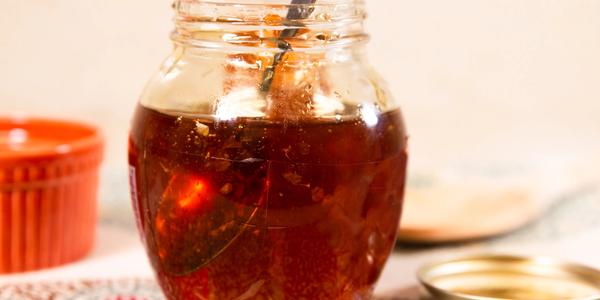
Acacia honey is sold as the diabetic-friendly honey, usually with a glycemic index of 32. That number is unsourced — here is what has actually been measured.
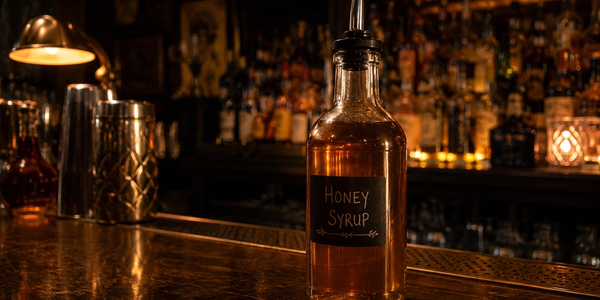
A five-minute honey syrup that blends seamlessly into shaken and stirred drinks — all the floral depth of raw honey, none of the clumping.
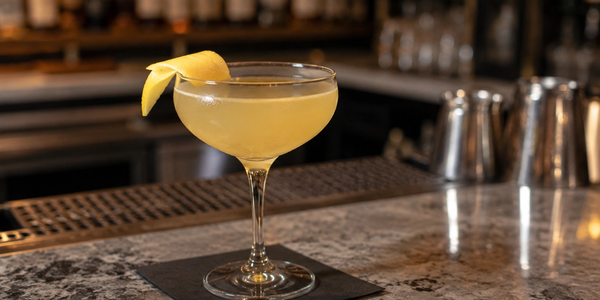
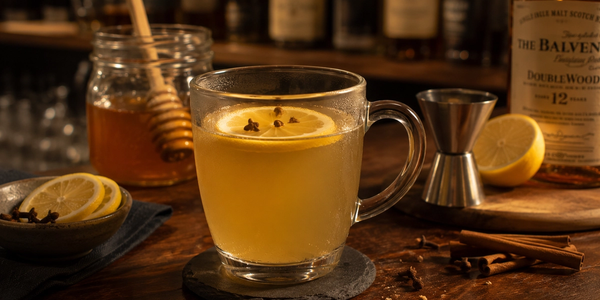
The classic Prohibition-era gin sour, sweetened with honey syrup instead of sugar.
#15
National Rank
by honey production
2.1M lbs
Annual Honey
USDA NASS 2023 Honey Report
27,000
Managed Colonies
USDA NASS 2023 Honey Report
450
Registered Beekeepers
The official metrics provided by federal agricultural boards account solely for commercial bee operations running five or more honey-producing colonies. Due to Wyoming's sparse population centers and the rise of high-altitude backyard hobbyists managing one to four hives on private ranches, the actual number of localized hives is higher than federal censuses capture.
Connect with these premier honey producers for the best local experience
Don't miss these exciting honey and beekeeping events in Wyoming
We couldn't find any events matching your criteria. Try adjusting your search terms or filters to discover more events.
Wyoming law mandates that any person owning or possessing honeybee colonies must register their apiary locations with the Wyoming Department of Agriculture before April 1st each year. Applications must pinpoint exact geographic placements utilizing precise latitude and longitude coordinates, and registrants are required to post legible evidence of registration at or near their bee yards.
Wyoming Beekeepers Association
StatewideVisit WebsiteThe state association centers its footprint around the Wyoming Bee College, an acclaimed annual educational event hosted alongside the University of Wyoming Extension that delivers multi-tier hive training to beekeepers across the Mountain West.
High Mountain Pollinators & Bees
Visit WebsiteState Dept. of Agriculture
Apiary Program3,099 feet (Belle Fourche River) to 13,809 feet (Gannett Peak)
Wyoming features a high-altitude plateau sliced by rugged mountain chains, experiencing dry atmospheric air and extreme day-to-night temperature drops. This intense lack of environmental humidity enables bees to cure honey to exceptionally low moisture contents—often under 15%—resulting in thick, premium table honeys that resist fermentation.