1
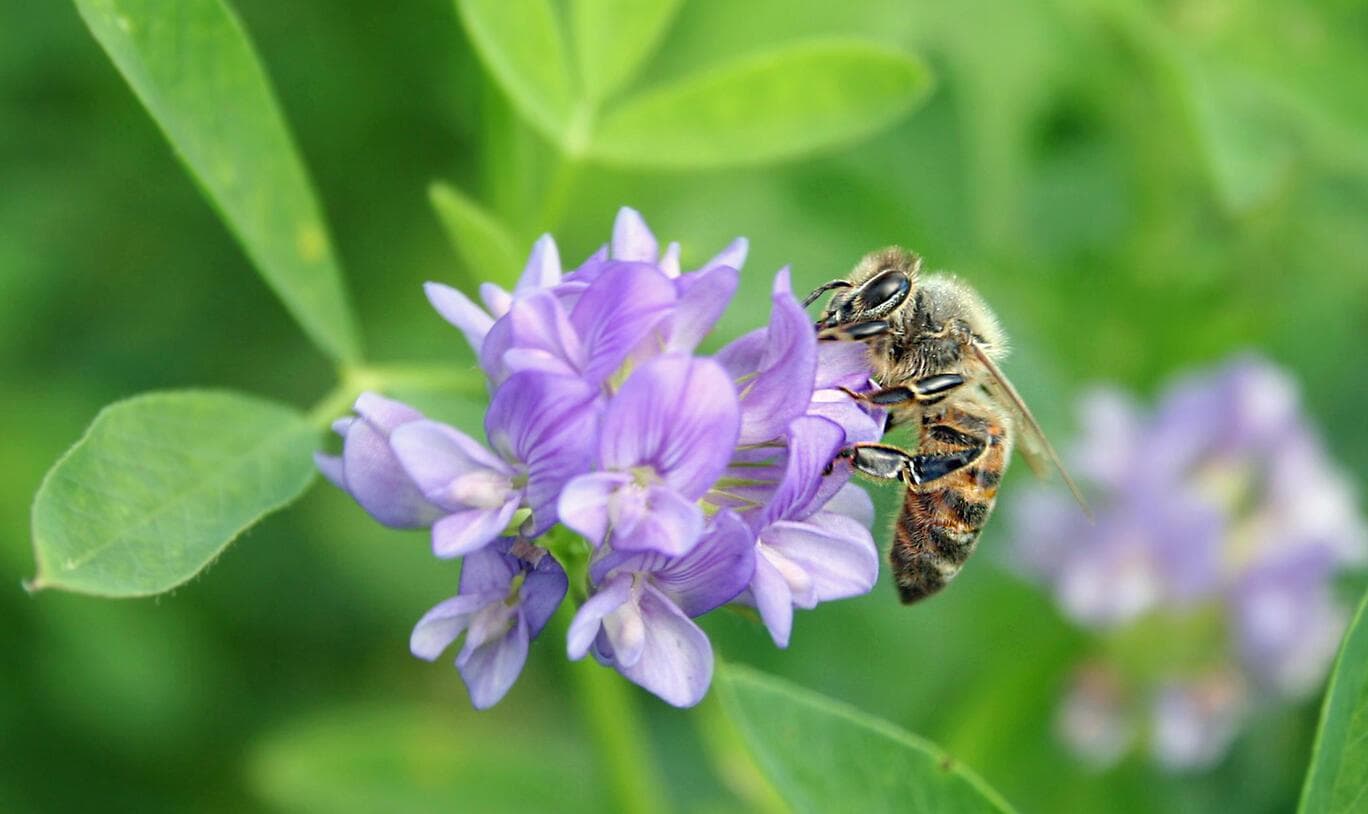
Famous for premium low-moisture Alfalfa and Sweet Clover table honeys
Your Complete Guide to Fresh, Local Honey
Utah’s identity is inextricably linked to the honey bee. The "Beehive State" offers a honey scene characterized by high-altitude forage. Beekeepers in the Wasatch Range harvest a unique mountain wildflower blend, while the lower valleys produce premium, light Alfalfa honey. The state’s dry climate and clear air contribute to honeys with exceptionally low moisture content and long shelf lives.
What Sets Utah Apart
Famous for premium low-moisture Alfalfa and Sweet Clover table honeys
Protected backyard rights under standardized state urban apiary rules
Distinct alpine wildflower harvests throughout the rugged Wasatch Range
Rich apicultural history dating back to early pioneer settlement eras
A growing network of localized county bee inspectors and regional clubs
Local Varietals
Sego Lily
Honey Bee
Water-white to extra-light amber in agricultural valleys; light amber with a greenish hue from canyon rabbitbrush.
July, August, September
Interactive year-round nectar flow guide
Peak nectar flow: June, July
Bloom Calendar
Click any month on the wheel to explore local forage details.
Moderate Flow
Colony expansion hits full stride as wild mustard, native serviceberry, and foothill pasture wildflowers bloom across valley benches, keeping bees occupied with brood maintenance.
Utah is known everywhere as the "Beehive State," a historical nickname chosen by its early pioneers to represent community, perseverance, and industry. While the state motto itself centers on industry, the actual apicultural framework here is a magnificent study in high-altitude survival. Beekeepers operate along sharp environmental gradients, running valley hives within irrigated agricultural zones before shifting setups into steep canyon corridors to capture specialized wild harvests. Over the past two decades, the state has witnessed a massive expansion in hobbyist beekeeping, turning urban centers like Salt Lake City into robust hubs for backyard honey production.
Despite its iconic nickname, Utah's emblem was chosen to represent human industriousness, not insect cultivation. In fact, due to high mountainous terrains and arid valleys, the state usually ranks in the bottom half of national honey production volumes.
From the Blog
Acacia honey is sold as the diabetic-friendly honey, usually with a glycemic index of 32. That number is unsourced — here is what has actually been measured.
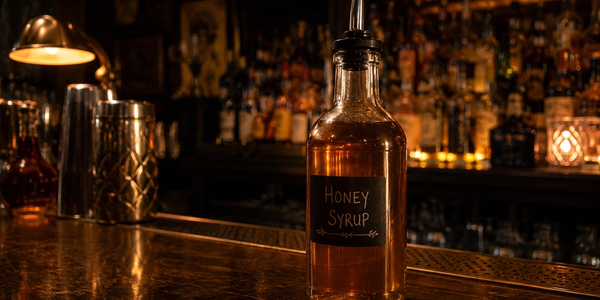
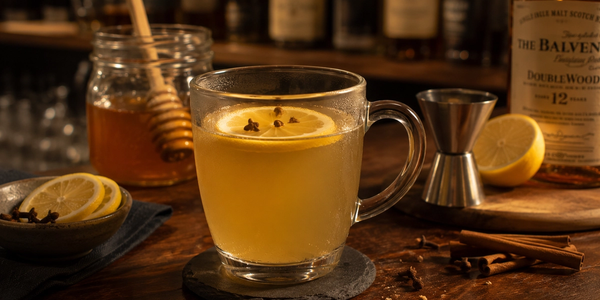
A five-minute honey syrup that blends seamlessly into shaken and stirred drinks — all the floral depth of raw honey, none of the clumping.

The classic Prohibition-era gin sour, sweetened with honey syrup instead of sugar.
#35
National Rank
by honey production
1.0M lbs
Annual Honey
USDA NASS 2023 Honey Report
24,000
Managed Colonies
USDA NASS 2023 Honey Report
3,500
Registered Beekeepers
The official metrics captured by state and federal agricultural databases reflect managed commercial holdings with five or more hives. Because Utah has a high proportion of unregistered residential hobbyists running one or two hives along the Wasatch Front, actual internal colony counts and production metrics are likely higher than reported numbers.
Connect with these premier honey producers for the best local experience
Don't miss these exciting honey and beekeeping events in Utah
We couldn't find any events matching your criteria. Try adjusting your search terms or filters to discover more events.
All Utah honeybee colonies must be registered annually through the UDAF portal. Hives must feature fully removable frames to permit regular inspection, and apiaries are legally mandated to maintain an on-site, easily accessible freshwater source to prevent bees from foraging in neighboring swimming pools or fixtures.
Utah Beekeepers' Association
StatewideVisit WebsiteThe Utah Beekeepers' Association has been operating continuously since its reorganization in 1892. It works directly alongside Utah State University (USU) Extension programs to provide master beekeeper certifications, disease screening education, and regional mentor pairing.
Wasatch Beekeepers Association
Visit WebsiteState Dept. of Agriculture
Apiary Program2,180 feet (Beaver Dam Wash) to 13,528 feet (Kings Peak)
Utah is defined by its extreme dry atmosphere, towering mountain systems, and high basin deserts. This lack of ambient humidity yields honey with incredibly low moisture contents—often well below 16%—which protects the final crop against natural fermentation and gives Utah honey a thick, premium mouthfeel.