1
Perennially ranks as a top-three honey-producing powerhouse in the United States
Your Complete Guide to Fresh, Local Honey
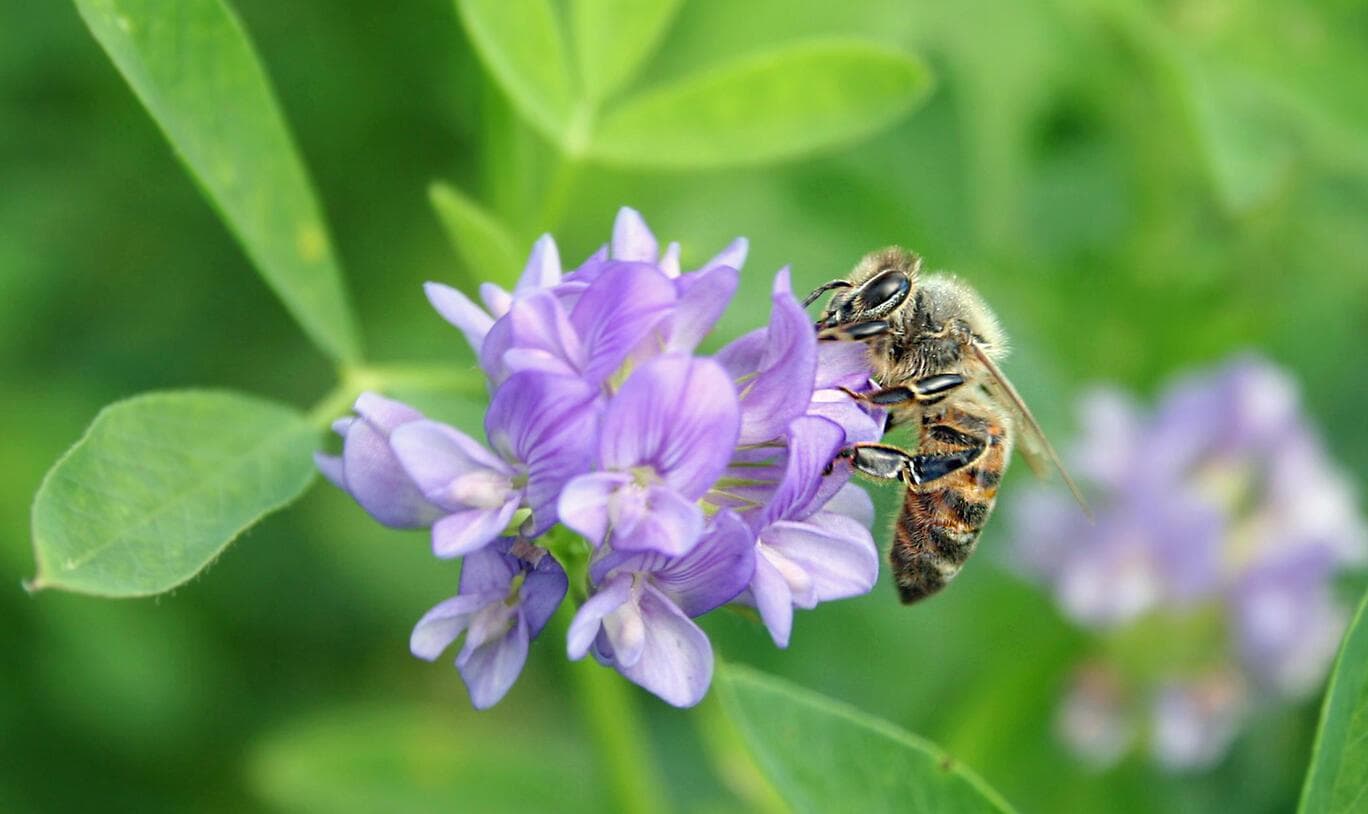
South Dakota is a critical part of the American "Honey Belt." The state’s agricultural landscape is perfectly suited for large-scale commercial beekeeping, with millions of acres of clover and alfalfa. South Dakota honey is famous for its consistent clarity and mild, buttery sweetness. Many of the nation’s largest honey-packing operations source their base clover honey from this region.
What Sets South Dakota Apart
Perennially ranks as a top-three honey-producing powerhouse in the United States
Anchored by massive commercial operations and millions of acres of prime prairie sweet clover
Primary staging ground for critical winter migratory networks heading to California orchards
Mandatory state-level apiary location identification system via the SDDA
Subject to recent historic varroa-driven colony volatility affecting national supply chains
Local Varietals
Pasque Flower
Honey Bee
Prized for an exceptionally clear water-white to extra-light amber hue, exhibiting a mild, buttery, and delicate sweetness that sets the industrial standard
July, August
Interactive year-round nectar flow guide
Peak nectar flow: July, August
Bloom Calendar
Click any month on the wheel to explore local forage details.
Moderate Flow
Spring build-up gains speed across open ranges as dandelions and wild fruit bushes bloom, offering baseline nectar to stimulate colony population growth.
The expansive rolling prairies stretching between the Missouri River slopes and the western Black Hills form the high-production core of the legendary upper Midwestern "Honey Belt." Here, long summer daylight hours and massive agricultural sweeps of yellow sweet clover, white clover, and alfalfa create a high-velocity nectar flow built for commercial extraction. Rather than functioning as a small-scale hobbyist framework, the state's apicultural ecosystem is engineered around multi-thousand-colony industrial operations that breed, build, and harvest millions of pounds of water-white honey before shifting hives into cross-country logistics lines for winter crop pollination.
South Dakota serves as the corporate home to some of the largest family-owned commercial migratory beekeeping operations in the world, including Adee Honey Farms, which manages tens of thousands of active colonies across multiple counties.
From the Blog
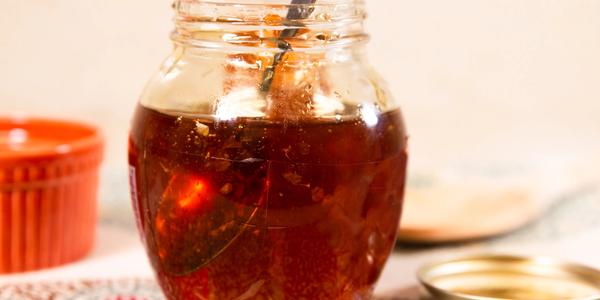
Acacia honey is sold as the diabetic-friendly honey, usually with a glycemic index of 32. That number is unsourced — here is what has actually been measured.
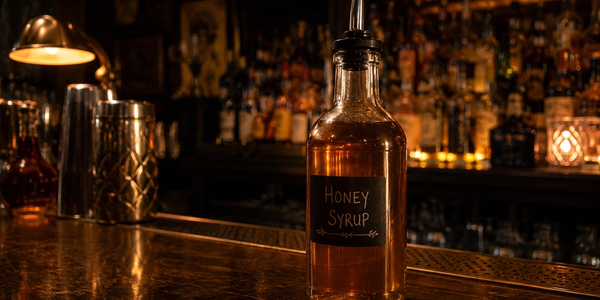
A five-minute honey syrup that blends seamlessly into shaken and stirred drinks — all the floral depth of raw honey, none of the clumping.

The classic Prohibition-era gin sour, sweetened with honey syrup instead of sugar.
#3
National Rank
by honey production
9.4M lbs
Annual Honey
USDA NASS 2023 Honey Report
200,000
Managed Colonies
USDA NASS 2023 Honey Report
200
Registered Beekeepers
Official NASS logs track honey-producing commercial baseline indices for operations holding 5 or more hives. Actual summer colony densities within state boundaries swing drastically higher because migratory operators transport massive numbers of colonies into South Dakota plains solely for the prime July clover flows.
Connect with these premier honey producers for the best local experience
Don't miss these exciting honey and beekeeping events in South Dakota
We couldn't find any events matching your criteria. Try adjusting your search terms or filters to discover more events.
South Dakota Codified Laws Chapter 38-18 dictates that all commercial and hobbyist apiaries must be formally licensed and registered with the Department of Agriculture and Natural Resources (DANR). Beekeepers must officially register every individual yard layout annually, identify hive boxes clearly with ownership markings, and maintain strict structural isolation boundaries to minimize inter-yard pathogen spreads.
South Dakota Beekeepers Association
StatewideVisit WebsiteThe association is heavily dominated by large-scale commercial stakeholders and works closely with state entities and national research groups like Project Apis m. to improve mite treatment protocols.
State Dept. of Agriculture
Apiary Program968 feet (Big Stone Lake) to 7,244 feet (Black Elk Peak)
The topography of South Dakota features an expansive split between the glaciated eastern river basins and the semi-arid high plains of the west. Successful apiary tracking across these massive spaces requires careful management of late-summer drought patterns and close coordination with cattle ranchers to ensure hives retain secure access to un-cut alfalfa pastures.