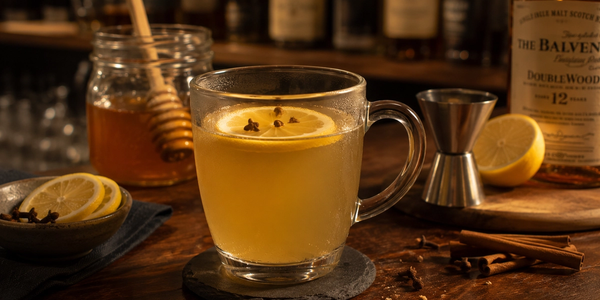
1
Dominated entirely by small-scale, hyper-local backyard and small sideline artisanal operations
Your Complete Guide to Fresh, Local Honey
Rhode Island prove that small states can produce big flavors. The "Ocean State" honey scene is driven by small-scale artisanal apiaries that focus on coastal wildflower blends. Bees forage on everything from beach plum and rosa rugosa to suburban fruit trees, resulting in a complex "multi-floral" honey that varies significantly by zip code.
What Sets Rhode Island Apart
Dominated entirely by small-scale, hyper-local backyard and small sideline artisanal operations
Coastal microclimates generate unique marine forage profiles like Beach Plum and Rugosa Rose
Features a comprehensive mandatory annual state hive registration portal updated to protect pollinators
Highly cohesive community education framework spearheaded by the active Rhode Island Beekeepers Association
Strong reliance on intensive overwintering insulation protocols due to cold damp Atlantic winds
Local Varietals
Violet
Honey Bee
Varies from extra-light, luminous gold during early clover and orchard blooms to a deep, full-bodied reddish-amber for late-season maritime wildflower harvests
June, September
Interactive year-round nectar flow guide
Peak nectar flow: May, June, September
Bloom Calendar
Click any month on the wheel to explore local forage details.
Peak Nectar Flow
The premier woodland tree flow hits with Black Locust and Tulip Poplar producing heavy nectar bursts, requiring beekeepers to add supers quickly before swarming cycles peak.
The maritime topography of Little Rhody dictates an intricate, pocket-sized apicultural environment that punches far above its weight in flavor complexity. Because the land footprint transitions swiftly from sand-swept salt marshes and coastal inlets to dense suburban woodlots and historic apple orchards, foraging honeybees assemble highly localized multi-floral nectar blends that vary sharply between townships. Rather than supporting large-scale commercial pollination trails, the local scene is anchored by an exceptionally dense, interconnected network of passionate backyard hobbyists who prioritize conservation, intensive hive monitoring, and high-value direct-to-consumer artisanal sales.
Rhode Island apiaries exhibit intense geographical flavor variation; a honey super harvested near the saltwater marshes of Narragansett will taste entirely different from one pulled just twenty miles inland, due to the hyper-local distribution of maritime beach plums and coastal privet hedge.
From the Blog
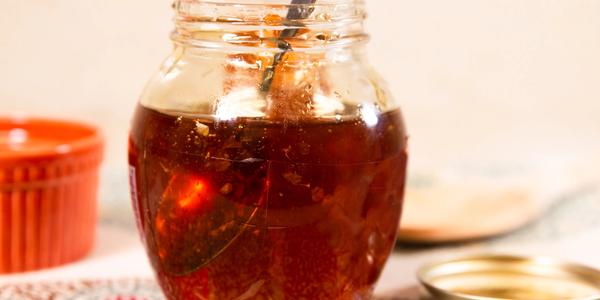
Acacia honey is sold as the diabetic-friendly honey, usually with a glycemic index of 32. That number is unsourced — here is what has actually been measured.
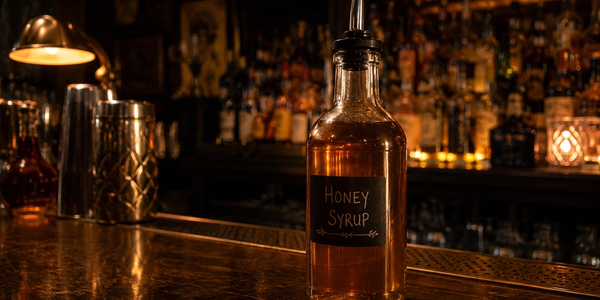
A five-minute honey syrup that blends seamlessly into shaken and stirred drinks — all the floral depth of raw honey, none of the clumping.
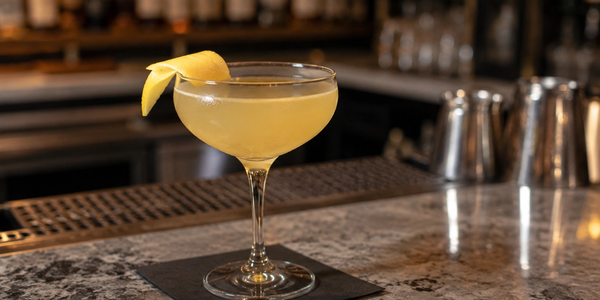
The classic Prohibition-era gin sour, sweetened with honey syrup instead of sugar.
#49
National Rank
by honey production
45K lbs
Annual Honey
Rhode Island Department of Environmental Management Historical Estimate
1,200
Managed Colonies
Rhode Island Department of Environmental Management Apiary Inspection Records
450
Registered Beekeepers
Because Rhode Island's total colony count falls beneath the commercial minimums required for independent tracking in the USDA NASS reports, state baseline figures are compiled directly from local registration numbers tracked through the RIDEM portal.
Don't miss these exciting honey and beekeeping events in Rhode Island
We couldn't find any events matching your criteria. Try adjusting your search terms or filters to discover more events.
Rhode Island General Law Title 4 Chapter 12 dictates that all managed apiaries inside state lines must be formally registered on an annual basis. Registration is fully managed through the RIDEM digital permit portal system and has a yearly renewal deadline of April 30th to maintain active tracking metrics against foulbrood infestations.
Rhode Island Beekeepers Association
StatewideVisit WebsiteFormed in 1917, RIBA coordinates highly structural beginner beekeeping classes, offers specialized honey extractor rentals for members, and maintains an active state-wide swarm removal program.
State Dept. of Agriculture
Apiary ProgramSea level to 812 feet (Jerimoth Hill)
The topography of Rhode Island presents a highly compressed lowland system built around a massive marine estuary basin. Successful apiary tracking requires unique management of intense salt-spray margins and strong coastal wind patterns, making structural windbreaks and adequate hive strapping essential along shoreline apiaries.