1
Ranked 15th nationally in total annual honey production volume
Your Complete Guide to Fresh, Local Honey
In Nebraska, the honey scene is tied to the rhythmic blooms of the prairie. Beekeepers manage hives along the river valleys where clover and alfalfa thrive under center-pivot irrigation. The result is a consistent, high-quality honey with a light color and classic sweetness. Nebraska beekeepers also play a vital role in pollinating local alfalfa seed crops.
What Sets Nebraska Apart
Ranked 15th nationally in total annual honey production volume
Heavy forage reliance on irrigated alfalfa, sweet clover, and wild prairie sunflowers
Home to the Great Plains Master Beekeeping educational program at UNL
Undergoes intense winter clustering patterns with a distinct mid-summer honey flow
Local Varietals
Late Goldenrod
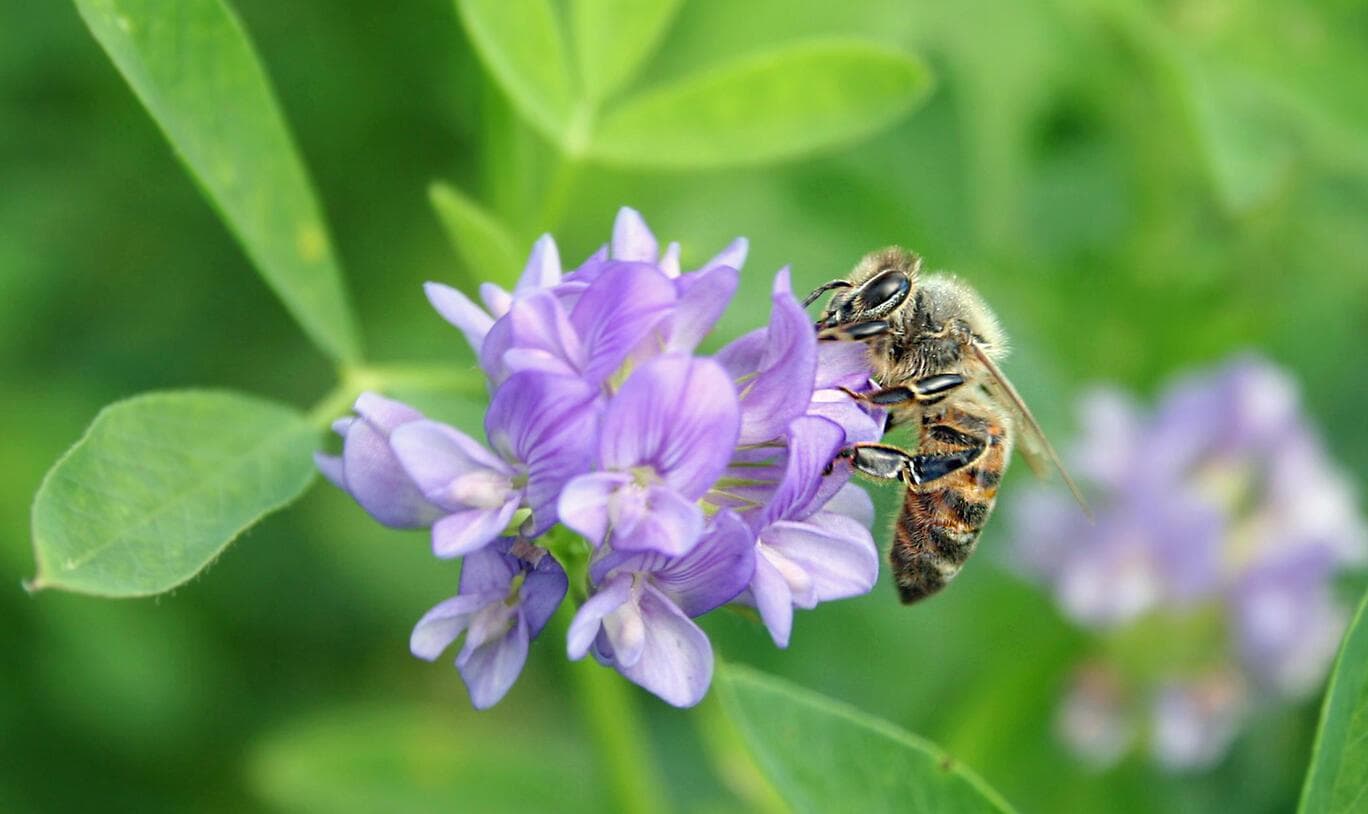
Honey Bee
Water white to extra light amber from sweet clover and alfalfa flows, turning medium amber during late-summer wildflower lulls.
June, July, August
Interactive year-round nectar flow guide
Peak nectar flow: June, July
Bloom Calendar
Click any month on the wheel to explore local forage details.
Moderate Flow
The colony spring buildup accelerates with abundant dandelion, fruit blossoms, and wild mustards filling frames to expand the workforce before the big flows.
Beekeeping in Nebraska is intrinsically bound to the vast agricultural tapestry and historic prairie corridors of the Great Plains. Long before statehood, early pioneers and indigenous communities tracked wild honeybee swarms moving along the fertile banks of the Missouri River Basin. Today, the state's apiary infrastructure balances large-scale migratory commercial businesses with a passionate network of backyard hobbyists supported by the University of Nebraska-Lincoln. Hives are strategically staged adjacent to center-pivot irrigation systems and river valleys where sweet clover and alfalfa fields provide an ultra-clean, water-white to light-amber nectar yield.
Historical journals from the legendary Lewis and Clark Expedition note that they harvested wild honey in 1804 near modern-day Dakota City, proving that feral honeybee colonies had populated the Nebraska region long before formal homesteading began.
From the Blog
Acacia honey is sold as the diabetic-friendly honey, usually with a glycemic index of 32. That number is unsourced — here is what has actually been measured.

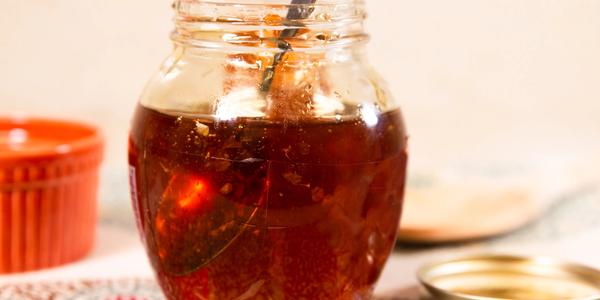
A five-minute honey syrup that blends seamlessly into shaken and stirred drinks — all the floral depth of raw honey, none of the clumping.

The classic Prohibition-era gin sour, sweetened with honey syrup instead of sugar.
#15
National Rank
by honey production
2.1M lbs
Annual Honey
USDA NASS 2024 Honey Report
36,000
Managed Colonies
USDA NASS 2024 Honey Report
1,200
Registered Beekeepers
Colony census counts are strictly sourced from operations managing five or more hives as compiled by the USDA NASS framework. True baseline numbers fluctuate higher when factoring in local urban or hobbyist populations managed outside commercial crop pollination pathways.
Don't miss these exciting honey and beekeeping events in Nebraska
We couldn't find any events matching your criteria. Try adjusting your search terms or filters to discover more events.
The Nebraska Apiary Act empowers the Department of Agriculture to mandate health certificates and diagnostic inspections for any hives crossing state lines. Local urban hobbyist guidelines, hive density ceilings, and zoning permits are independently legislated by distinct municipal frameworks.
Nebraska Beekeepers Association
StatewideVisit WebsiteThe Nebraska Beekeepers Association actively collaborates with the University of Nebraska-Lincoln to offer the highly acclaimed Great Plains Master Beekeeping curriculum across regional apiaries.
Omaha Bee Club
Visit WebsiteState Dept. of Agriculture
Apiary Program840 feet to 5,424 feet (Panorama Point)
Nebraska exhibits a notable moisture gradient that transitions smoothly from humid, rolling eastern farmlands into the expansive, arid elevations of the western high plains. Managing colonies successfully inside state lines demands proactive windbreaks to blunt sub-zero winter gusts and careful placement relative to center-pivot irrigation infrastructure.