1
Consistently ranks in the top five honey-producing powerhouses nationwide
Your Complete Guide to Fresh, Local Honey
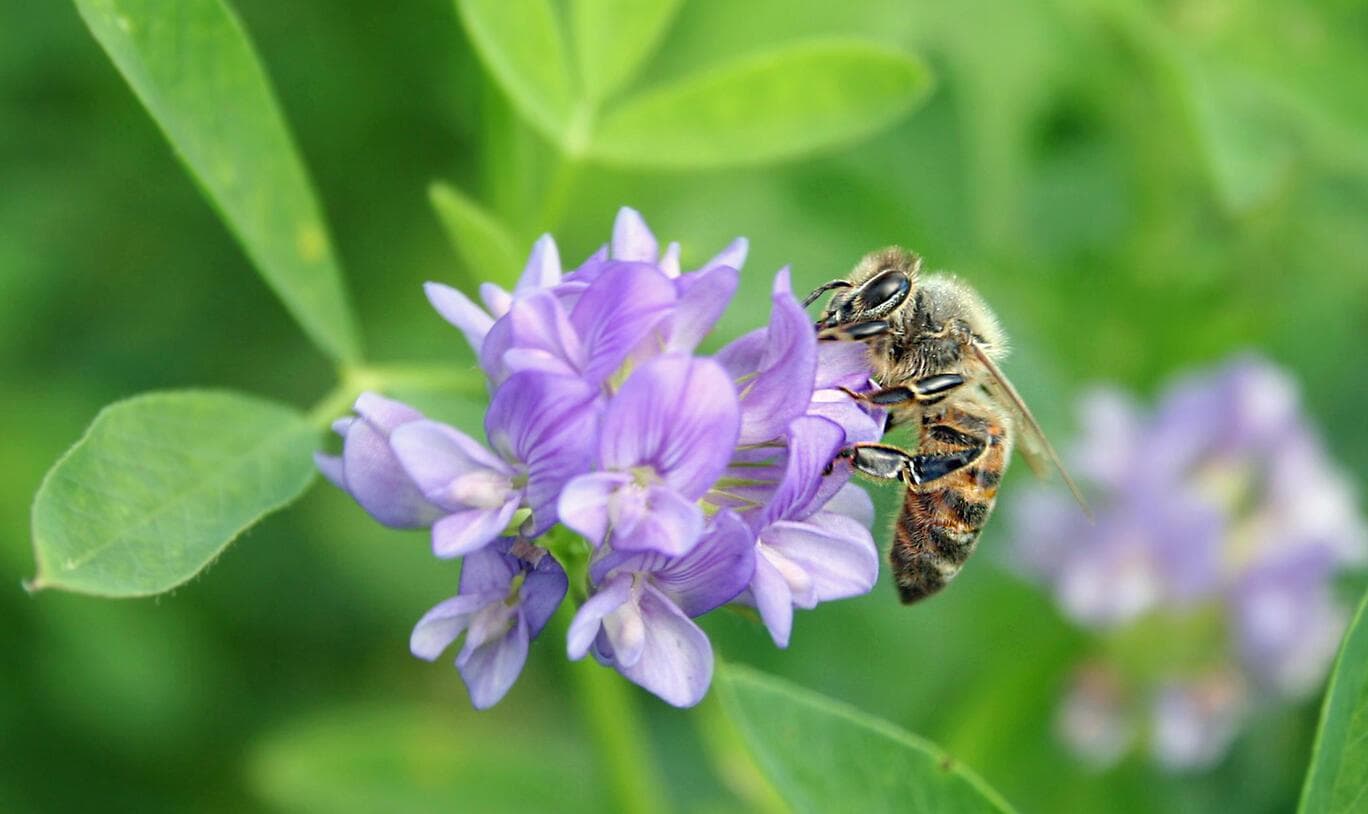
Montana is a heavyweight in the commercial honey world, often ranking in the top three for national production. The "Big Sky" climate is perfect for clover and alfalfa, which produce the mild, white honey that is the industry standard for quality. Many of the nation’s largest commercial beekeeping families are based in Montana, moving hives south for the winter.
What Sets Montana Apart
Consistently ranks in the top five honey-producing powerhouses nationwide
Vast agricultural tracts of alfalfa and sweet clover driving heavy per-hive yields
Primary base of operations for elite, large-scale commercial beekeeping families
Home to the globally renowned University of Montana online apicultural program
Local Varietals
Bitterroot
None designated
Dominated by highly prized water-white, extra-light amber, and exceptionally clear color profiles featuring an ultra-mild, clean sweetness.
August, September
Interactive year-round nectar flow guide
Peak nectar flow: July, August
Bloom Calendar
Click any month on the wheel to explore local forage details.
Moderate Flow
Dandelions and wild serviceberry expand heavily across lower river valleys, offering an excellent baseline nectar flow that fuels rapid spring colony build-up.
Beekeeping in Montana represents an elite, large-scale commercial engine within the American honey landscape, characterized by expansive high-plains acreage and multi-generational family outfits. The state's honey production is powered by the extensive cultivation of sweet clover and alfalfa across irrigated river valleys and expansive prairie benches. Because of the brutal and prolonged northern winter conditions, Montana's apicultural model is heavily migratory: millions of colonies spend their summers gathering massive honey surpluses under the Big Sky before being loaded onto trucks in late autumn to overwinter and pollinate almonds in California and orchards across the Pacific Northwest.
Montana serves as a premier global hub for apicultural training. The University of Montana in Missoula hosts the world's most comprehensive suite of online master beekeeping courses, providing advanced, evidence-based instruction to apiarists spanning every continent.
From the Blog

Acacia honey is sold as the diabetic-friendly honey, usually with a glycemic index of 32. That number is unsourced — here is what has actually been measured.

A five-minute honey syrup that blends seamlessly into shaken and stirred drinks — all the floral depth of raw honey, none of the clumping.

The classic Prohibition-era gin sour, sweetened with honey syrup instead of sugar.
#6
National Rank
by honey production
9.7M lbs
Annual Honey
USDA NASS 2023 Honey Report
114,000
Managed Colonies
USDA NASS 2023 Honey Report
650
Registered Beekeepers
Colony statistics are pulled directly from the USDA National Agricultural Statistics Service data records. Because Montana's apicultural sector is dominated by exceptionally large, multi-generational commercial operations managing thousands of colonies, the state achieves remarkably high per-colony production volume averages compared to coastal states.
Connect with these premier honey producers for the best local experience
Don't miss these exciting honey and beekeeping events in Montana
We couldn't find any events matching your criteria. Try adjusting your search terms or filters to discover more events.
The Montana Department of Agriculture mandates registration for all honeybee colonies across four clear classifications: Commercial, Landowner, Hobbyist, and Pollination. Under state apicultural administrative rules, newly registered commercial bee yards must maintain a strict, protective statutory setback distance of at least 3 miles from any existing commercial apiary site operated by a different beekeeper.
Montana State Beekeepers Association
StatewideVisit WebsiteFounded in 1915, the Montana State Beekeepers Association represents the primary policy, structural bear-deterrent, and regulatory advocacy framework for commercial honey producers and multi-generational migratory apiarists across the state.
Flathead Valley Beekeepers Association
Visit WebsiteState Dept. of Agriculture
Apiary Program1,820 feet (Kootenai River) to 12,799 feet (Granite Peak)
Montana's geography presents an intense visual contrast between the rugged, high-altitude Rocky Mountains in the west and the expansive, semi-arid Great Plains in the east. Successful apiary management relies on optimizing for intense, abbreviated honey flows along irrigated river corridors while proactively shielding hives from severe, early season mountain frost cycles.