1
Epicenter of heavy regional spring Chinese Tallow tree nectar flows
Your Complete Guide to Fresh, Local Honey
Mississippi beekeeping thrives in a warm, humid environment that supports an early and long nectar season. The Mississippi Delta is a major production zone where bees forage on wildflowers and soybean crops. Similar to its neighbors, the Chinese Tallow tree provides a significant spring harvest, producing a light-colored honey that is a favorite for local commercial packers.
What Sets Mississippi Apart
Epicenter of heavy regional spring Chinese Tallow tree nectar flows
Intense commercial row-crop foraging across the fertile Mississippi Delta
Deeply rooted heritage supported by the oldest active agricultural association in the state
Diverse microclimatic forest foraging systems winding through the Piney Woods
Local Varietals
Magnolia
None designated
Varying from extra-light amber with soft greenish-gold undertones during the primary tallow flow to deeply rich, dark ambers from late-season agricultural and aster blooms.
June, July, October
Interactive year-round nectar flow guide
Peak nectar flow: May, June, September
Bloom Calendar
Click any month on the wheel to explore local forage details.
Peak Nectar Flow
The primary honey-producing nectar flow hits its peak as Chinese Tallow trees explode statewide, creating a massive nectar surge that fills supers rapidly.
Beekeeping in Mississippi operates within a highly dynamic, humid subtropical climate that fosters exceptionally early spring brood rearing and prolonged brood production cycles. The state is divided into distinct apicultural zones: the agricultural powerhouse of the Mississippi Delta, where commercial outfits target extensive soybean and wildflower spreads, and the southern Piney Woods, which offer diverse forest and wildflower options. The core economic driver of the state's honey crop is the naturalized Chinese Tallow tree, which delivers a massive and rapid late-spring nectar flow that allows colonies to pack honey supers at remarkable rates before the brutal summer heat lulls settle over the Gulf Coast.
Mississippi beekeepers rely heavily on the invasive Chinese Tallow tree (locally called 'Popcorn Tree') for their main honey crop. This plant produces an incredibly intense, rapid nectar surge in May that yields a light, premium, buttery honey highly sought after by commercial bakers and local packers alike.
From the Blog
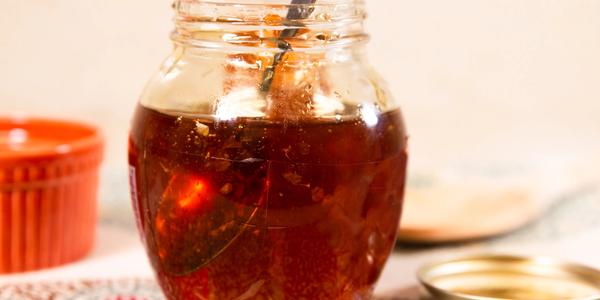
Acacia honey is sold as the diabetic-friendly honey, usually with a glycemic index of 32. That number is unsourced — here is what has actually been measured.
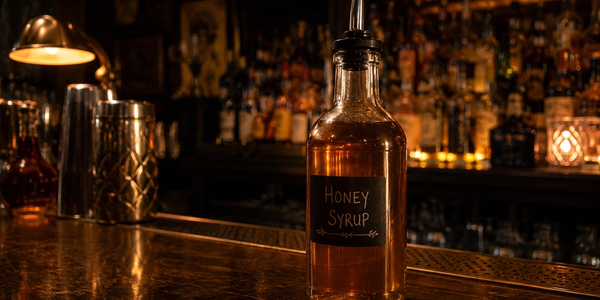
A five-minute honey syrup that blends seamlessly into shaken and stirred drinks — all the floral depth of raw honey, none of the clumping.
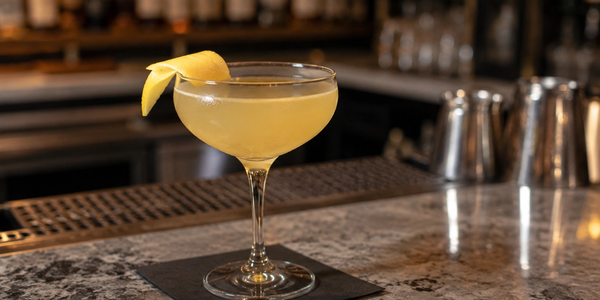
The classic Prohibition-era gin sour, sweetened with honey syrup instead of sugar.
#18
National Rank
by honey production
2.3M lbs
Annual Honey
USDA NASS 2024 Mississippi Honey Report
29,000
Managed Colonies
USDA NASS 2024 Mississippi Honey Report
1,200
Registered Beekeepers
Colony numbers and production volumes reflect commercial and sidelined apiaries managing five or more hives as tracked by the USDA National Agricultural Statistics Service Delta Region Office. These counts exclude hundreds of backyard hobbyist yards, meaning the true active hive count and total artisanal honey output across the state trend significantly higher.
Connect with these premier honey producers for the best local experience
Don't miss these exciting honey and beekeeping events in Mississippi
We couldn't find any events matching your criteria. Try adjusting your search terms or filters to discover more events.
The State of Mississippi does not mandate formal apiary registration or charge fees for stationary hive placements. Beekeepers are strongly encouraged to register yards voluntarily via the online BeeCheck mapping framework to prevent chemical drift hazards from row-crop dusting operations. Under the Mississippi Bee Disease Act, the Bureau of Plant Industry conducts inspections specifically targeting managed queens and packages shipped out of state.
Mississippi Beekeepers Association
StatewideVisit WebsiteThe Mississippi Beekeepers Association (MBA) works directly alongside the Mississippi Department of Agriculture and Commerce to advance regional bee breeding programs, host seasonal field days, and organize educational bee schools across its network of regional affiliate clubs.
Central Mississippi Beekeepers Association
Visit WebsiteState Dept. of Agriculture
Apiary ProgramSea level (Gulf of Mexico shoreline) to 806 feet (Woodall Mountain)
Mississippi's geography spans flat, nutrient-dense alluvial floodplains in the northwestern Delta to sandy, acid-soil pine forests across the southern coastal tier. Managing apiaries successfully here requires careful placement to optimize for early tallow flows while establishing strict, clean freshwater access points to mitigate intense summer evaporation trends.