1
Home to unique coastal cranberry bog foraging systems
Your Complete Guide to Fresh, Local Honey
Massachusetts has a long beekeeping history, with hives often nestled among cranberry bogs and apple orchards. Cranberry honey is a local specialty, known for its tart, berry-like undertones and reddish hue. Urban beekeeping in Boston and the lush woodlands of the Berkshires contribute to a thriving scene focused on sustainable, artisanal honey production.
What Sets Massachusetts Apart
Home to unique coastal cranberry bog foraging systems
Over 45% of state agricultural commodities depend on bee pollination
Vibrant, historic county-level bee schools and hobbyist cultures
Specialized production of rare Japanese Knotweed honey varietals
Local Varietals
Mayflower (Trailing Arbutus)
None designated
Ranging from light, golden hues during early spring orchard flows to exceptionally dark, robust ambers during late-summer knotweed harvests.
June, July, September
Interactive year-round nectar flow guide
Peak nectar flow: May, June, September
Bloom Calendar
Click any month on the wheel to explore local forage details.
Moderate Flow
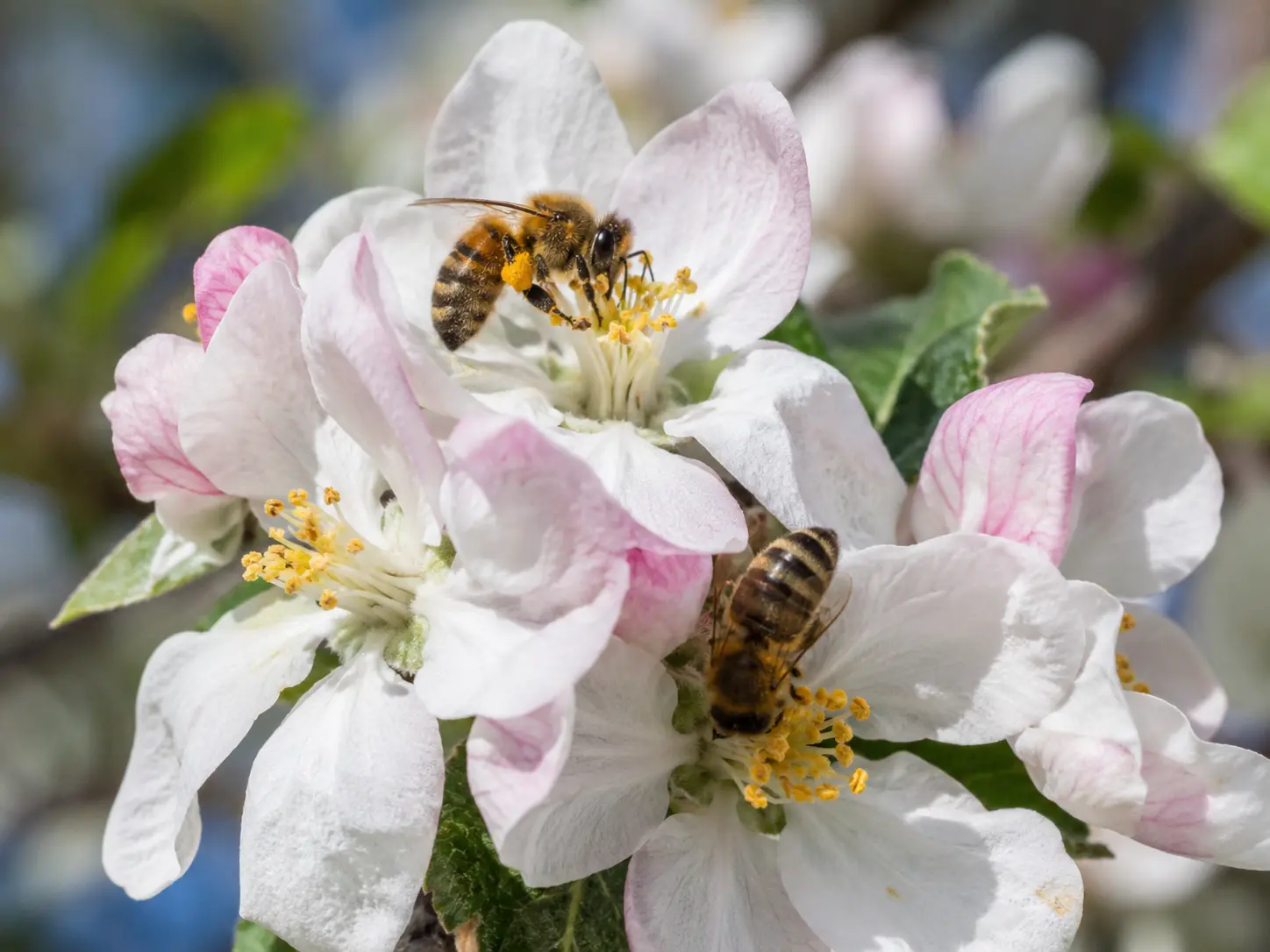
Massive spring orchard flows arrive as apple, cherry, and blueberry blooms spark rapid brood development and initial honey super filling.
Beekeeping in Massachusetts is deeply intertwined with early American agricultural history and specialized regional crop production. The modern industry is heavily centered around the critical pollination services required by coastal cranberry bogs in Southeastern Massachusetts and fruit orchards across the Pioneer Valley. While commercial operations exist, the backbone of the Bay State apicultural community relies on a highly structured network of county-level associations and passionate backyard hobbyists who preserve historic apiary layouts and pioneer cold-climate hive health strategies.
Massachusetts is famous among honey connoisseurs for producing Japanese Knotweed honey. Often marketed as 'Bamboo Honey,' this invasive plant yields a surprisingly rich, deeply dark amber honey with a strong flavor profile reminiscent of mild molasses.
From the Blog
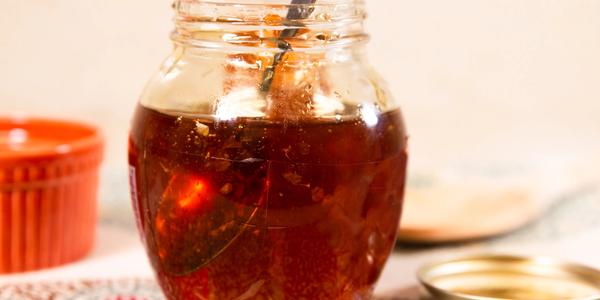
Acacia honey is sold as the diabetic-friendly honey, usually with a glycemic index of 32. That number is unsourced — here is what has actually been measured.
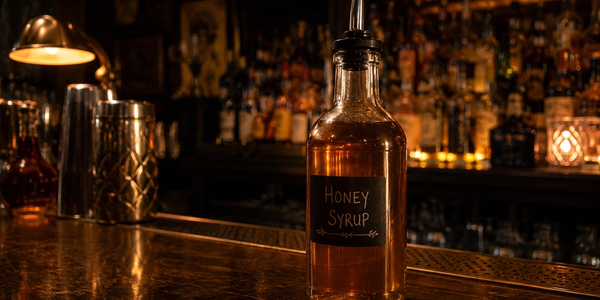
A five-minute honey syrup that blends seamlessly into shaken and stirred drinks — all the floral depth of raw honey, none of the clumping.
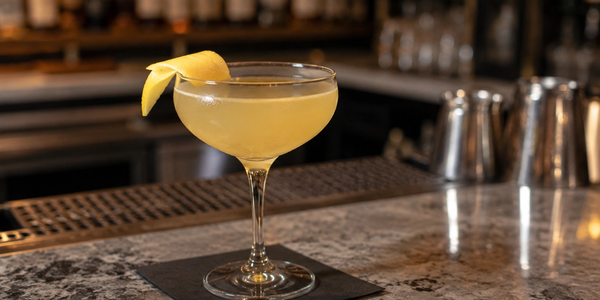
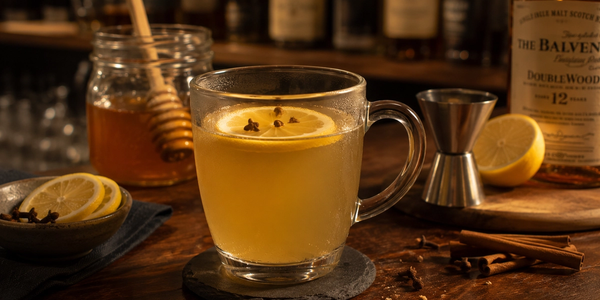
The classic Prohibition-era gin sour, sweetened with honey syrup instead of sugar.
#34
National Rank
by honey production
1.5M lbs
Annual Honey
Mass.gov MDAR Apiary Program Report 2024
42,500
Managed Colonies
Mass.gov MDAR Apiary Program Report 2024
6,250
Registered Beekeepers
Production statistics are compiled using data points provided by the Mass.gov MDAR Apiary Program. While federal USDA NASS tracking often filters out small sidelined apiaries managing fewer than five colonies, state-level assessments actively factor in our dense network of urban hobbyists and regional county clubs, capturing a more complete representation of actual Bay State honey outputs.
Connect with these premier honey producers for the best local experience
Don't miss these exciting honey and beekeeping events in Massachusetts
We couldn't find any events matching your criteria. Try adjusting your search terms or filters to discover more events.
The Commonwealth of Massachusetts offers a completely voluntary state apiary and colony registration program administered by MDAR to monitor regional bee health. Colony transport across state borders strictly requires an interstate health certificate issued 60 days prior to movement. Local ordinances, municipal zoning laws, and specific Board of Health regulations dictate urban swarm rules, hive limits, and setback parameters.
Massachusetts Beekeepers Association
StatewideVisit WebsiteMassBee functions as the premier legislative voice and continuing education hub for apiarists across the state. They maintain robust operational ties with specialized county chapters, coordinating seasonal field days and instructional clinics alongside university extension systems.
Plymouth County Beekeepers Association
Visit WebsiteState Dept. of Agriculture
Apiary ProgramSea level to 3,491 feet (Mount Greylock)
The geography of Massachusetts shifts from sandy coastal plains and specialized peaty bog configurations in the southeast to rolling glaciated hills and mountain ranges in the western interior. Hives staged in coastal microclimates deal with humid, salt-tinged maritime moisture dynamics, whereas western apiaries face shorter forage windows, rapid altitude variations, and prolonged frost patterns.