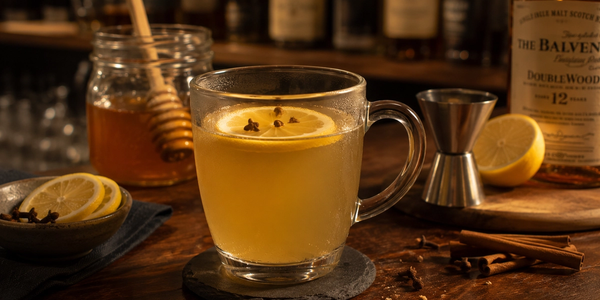
1
Core honey harvest driven by the massive spring Tulip Poplar forest canopy flow
Your Complete Guide to Fresh, Local Honey
Maryland beekeeping spans diverse ecosystems, from the Appalachian heights to the Chesapeake Bay. The primary spring flow is driven by the Tulip Poplar, yielding a dark, hearty honey. On the Eastern Shore, coastal wildflowers and agricultural clover create a lighter, more delicate honey, supporting a vibrant community of local hobbyists and commercial apiaries.
What Sets Maryland Apart
Core honey harvest driven by the massive spring Tulip Poplar forest canopy flow
Mandatory free annual apiary registration required for all colonies by Maryland law
Highly active regional support networks backed by the Maryland State Beekeepers Association
Unique coastal marsh foraging variants contrasted with Appalachian ridge woodlots
State-sponsored inspection teams utilizing certified American Foulbrood detection K9s
Local Varietals
Black-Eyed Susan
Deep, rich dark amber with a robust body for traditional Tulip Poplar harvests; light amber to warm straw-gold for coastal pasture blends
June, July, October
Interactive year-round nectar flow guide
Peak nectar flow: May, June
Bloom Calendar
Click any month on the wheel to explore local forage details.
Peak Nectar Flow
The spectacular spring tree canopy flow erupts. Millions of bees harvest nectar from blooming tulip poplars and black locust groves, filling honey supers with rapid speed.
Beekeeping in the Old Line State spans a diverse ecological spectrum, moving from the forested Appalachian heights down across the central Piedmont plateau to the marshy flatlands of the Chesapeake Eastern Shore. Maryland apiculture is structurally defined by an intense, rapid spring tree canopy flow that challenges beekeepers to build massive field forces early. This dynamic mix of urban, suburban, and rural family apiaries relies closely on cooperative state monitoring and a highly proactive community to navigate changing regional flora and development patterns.
The Maryland Department of Agriculture utilizes a world-renowned, state-sponsored K9 inspection team featuring dogs specifically trained to sniff out and locate destructive American Foulbrood disease within hives.
From the Blog
Acacia honey is sold as the diabetic-friendly honey, usually with a glycemic index of 32. That number is unsourced — here is what has actually been measured.
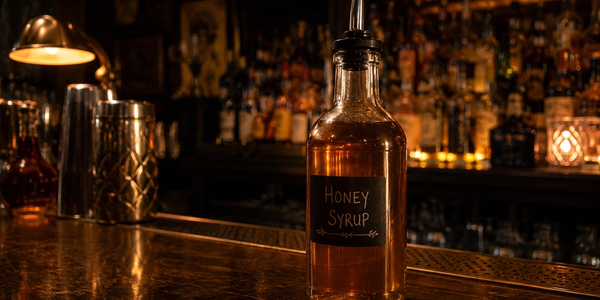
A five-minute honey syrup that blends seamlessly into shaken and stirred drinks — all the floral depth of raw honey, none of the clumping.
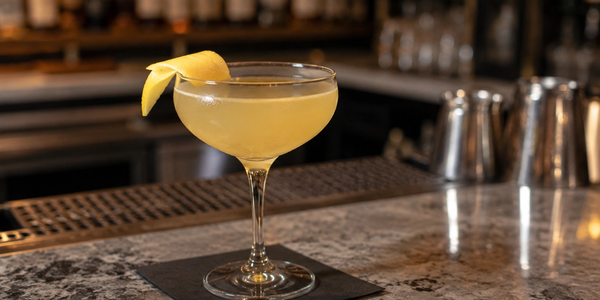
The classic Prohibition-era gin sour, sweetened with honey syrup instead of sugar.
Connect with these premier honey producers for the best local experience
Don't miss these exciting honey and beekeeping events in Maryland
We couldn't find any events matching your criteria. Try adjusting your search terms or filters to discover more events.
Maryland law requires everyone who keeps bees to complete a free registration for their apiaries within 30 days of obtaining their first colony, renewed annually thereafter. Moving bees or used woodenware into the state requires an entry permit and a certified clean inspection record from the state of origin to block parasite spread.
Maryland State Beekeepers Association
StatewideVisit WebsiteOperating as one of the oldest state apiary groups in the nation, the MSBA actively funds the Maryland Apiary Inspection Fund, manages localized swarm registries, and coordinates educational programs throughout the year.
State Dept. of Agriculture
Apiary ProgramSea level to 3,360 feet (Hoye-Crest)
Maryland encompasses rapid geographic transitions, shifting from sandy coastal marshlands to rocky mountain woodlots. This topography creates up to a three-week variance in spring bloom timelines between the mild Atlantic coastlines and the cooler western elevations.