1
Core arrival hub for thousands of migratory commercial blueberry pollination colonies
Your Complete Guide to Fresh, Local Honey
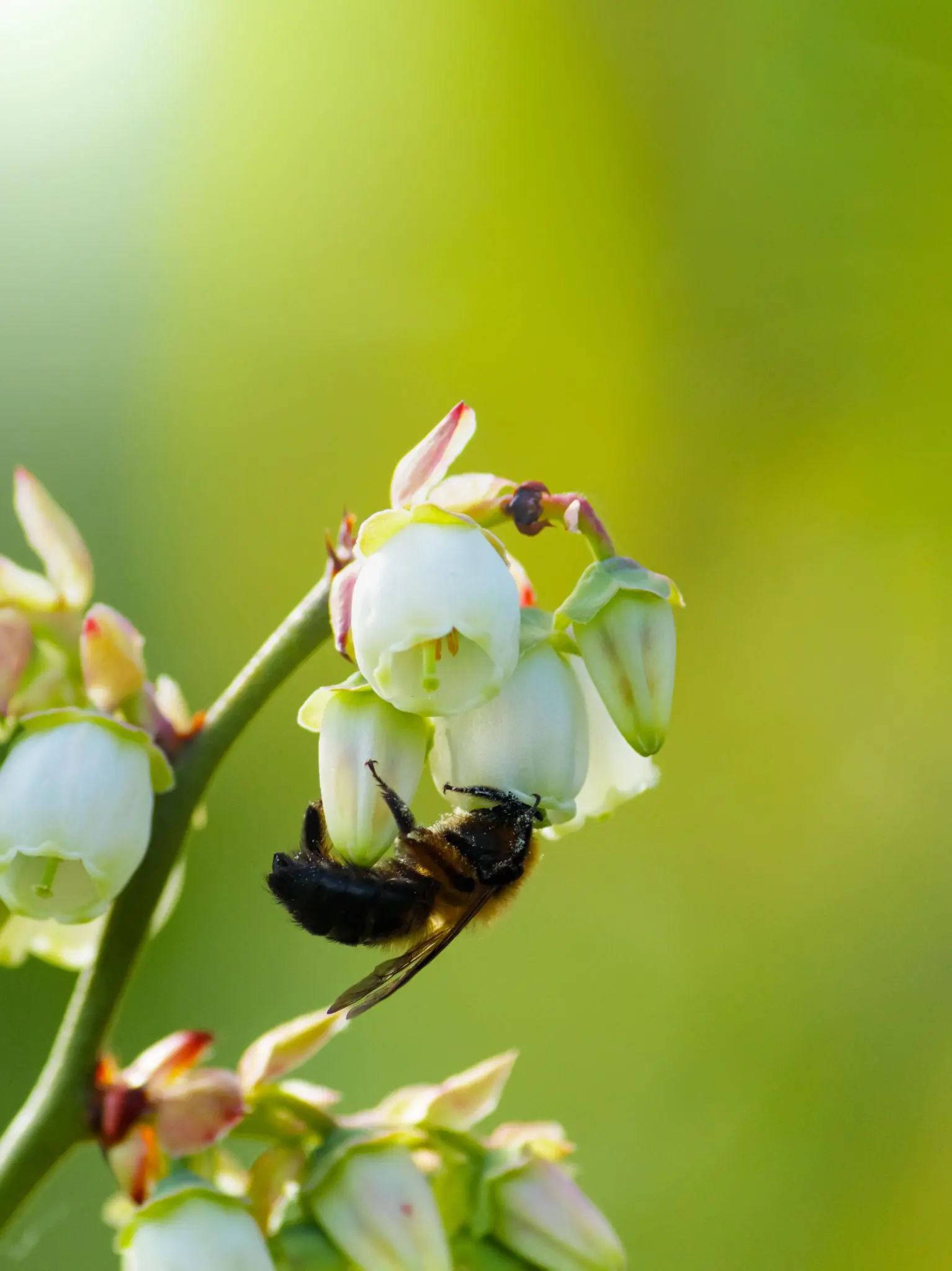
Maine’s honey production is intrinsically linked to its famous blueberry barrens. Bees are moved by the thousands to pollinate the low-bush blueberries, resulting in a dark, fruit-scented honey. Beyond the barrens, Maine beekeepers harvest wildflower honey from raspberry bushes, goldenrod, and asters, managed by a community skilled in cold-climate wintering.
What Sets Maine Apart
Core arrival hub for thousands of migratory commercial blueberry pollination colonies
Frantic, hyper-abundant spring foraging surges across low-bush blueberry barrens
Tiered mandatory licensing frameworks managed directly by the Maine DACF
Specialized cold-climate wintering strategies engineered for prolonged northern frosts
Collaborative apiary extensions supported by the Maine State Beekeepers Association
Local Varietals
White Pine Cone and Tassel
Deep amber with unique tan undertones and a distinct fruity aroma for blueberry harvests; clear extra-light amber for summer raspberry pastures
June, July, September
Interactive year-round nectar flow guide
Peak nectar flow: May, June
Bloom Calendar
Click any month on the wheel to explore local forage details.
Peak Nectar Flow
The critical wild blueberry flow erupts across the barrens. Tens of thousands of imported and local colonies harvest intense nectar cells, creating Maine's signature honey crop.
Beekeeping in the Pine Tree State requires rigorous timing, balancing severe northern winters with short, explosive summer nectar surges. The modern Maine honey scene is structurally anchored to the state's legendary wild blueberry barrens, where thousands of local and migratory hives converge each spring. Beyond agricultural fields, Maine apiarists manage colonies across extensive hemlock forests and rocky pasturelands, cultivating cold-hardy lines that can effectively cure low-moisture honey before the early autumn frost line sets in.
Maine apiary licensing is strictly tied to a distinct state regulatory deadline; by law, all bee locations and colony counts must be verified and paid for by June 15th of each calendar year.
From the Blog
Acacia honey is sold as the diabetic-friendly honey, usually with a glycemic index of 32. That number is unsourced — here is what has actually been measured.
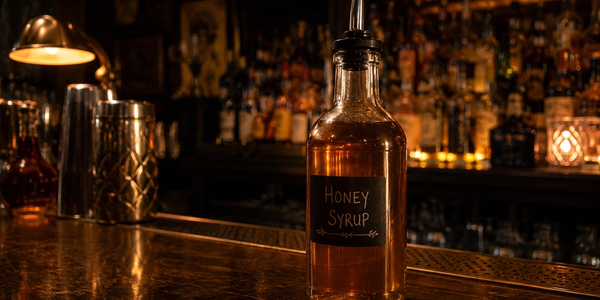
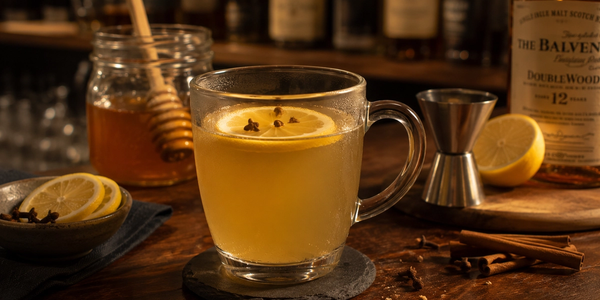
A five-minute honey syrup that blends seamlessly into shaken and stirred drinks — all the floral depth of raw honey, none of the clumping.
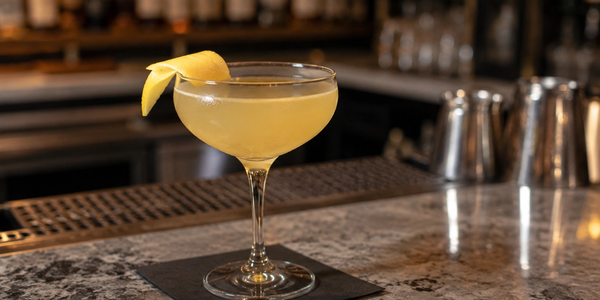
The classic Prohibition-era gin sour, sweetened with honey syrup instead of sugar.
Connect with these premier honey producers for the best local experience
Don't miss these exciting honey and beekeeping events in Maine
We couldn't find any events matching your criteria. Try adjusting your search terms or filters to discover more events.
Maine Revised Statutes Title 7, § 2701 mandates that all persons owning honeybees inside state lines must annually license their apiary locations with the Commissioner of Agriculture, Conservation and Forestry. Importing any honeybee packages or used woodenware requires an official certified health certificate from the point of origin, executed within 30 days of shipment.
Maine State Beekeepers Association
StatewideVisit WebsiteThe MSBA works directly with regional local chapters to provide standardized beekeeping certification programs, run swarm-collection registries, and assist the state entomology team with voluntary winter cluster health surveys.
State Dept. of Agriculture
Apiary ProgramSea level to 5,268 feet (Mount Katahdin)
Maine features cold glaciated soils, dense mixed northern forests, and rocky, exposed coastal shelves. The short sub-arctic growing window forces bees to execute foraging cycles with high intensity, as any unexpected early late-summer frost immediately collapses pasture nectar secretion lines.