1
Official home of the Honey Bee as the designated Kansas state insect since 1976
Your Complete Guide to Fresh, Local Honey
In Kansas, the honey bee is the official state insect, reflecting its importance to the local ecosystem. The honey scene here is characterized by the hardy forage of the Great Plains. Large-scale sunflower crops and wild sweet clover produce a robust, golden honey that captures the essence of the Kansas summer.
What Sets Kansas Apart
Official home of the Honey Bee as the designated Kansas state insect since 1976
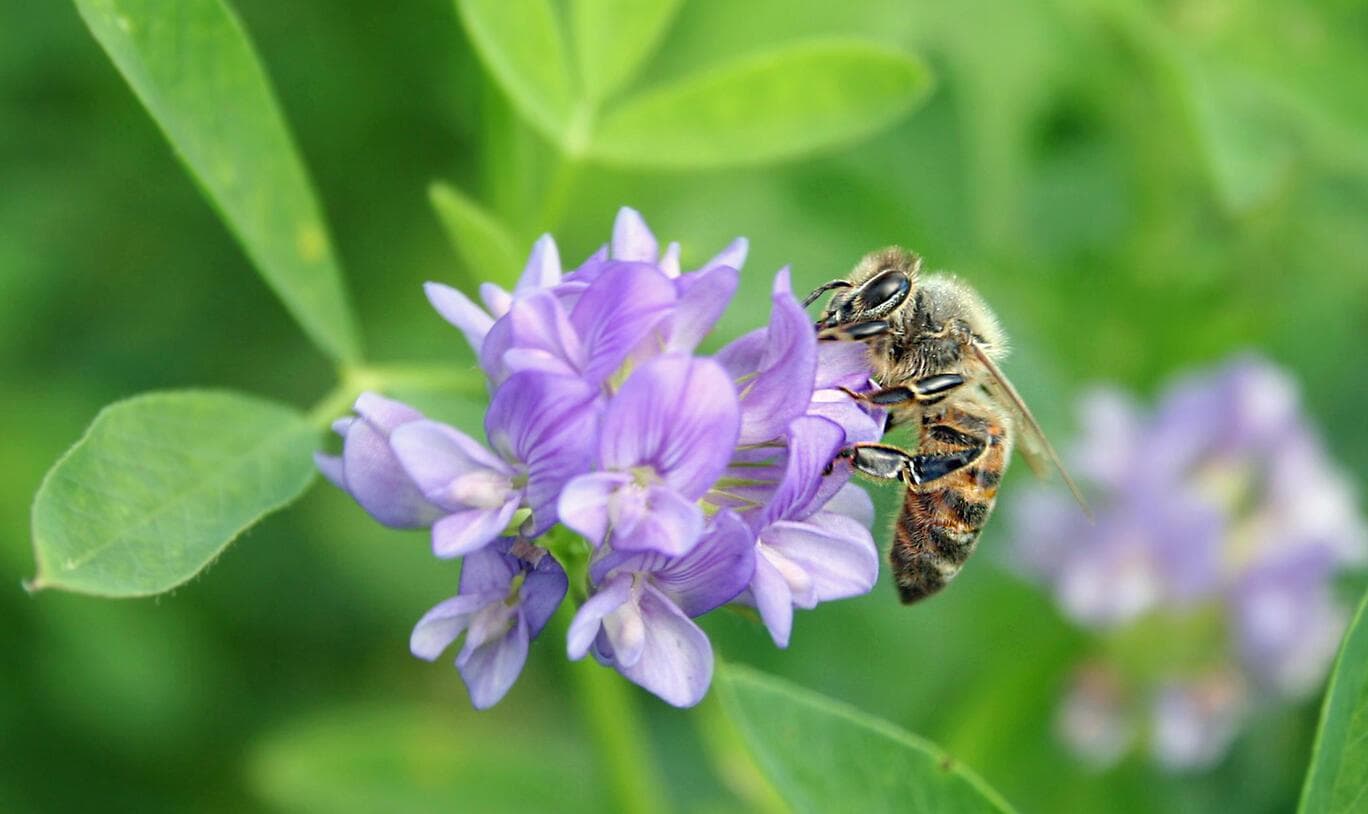
Extensive summer honey surpluses driven by wild prairie sweet clovers and alfalfa
Unique late-summer commercial honey harvests from expansive oilseed sunflower fields
Proactive communication frameworks through voluntary BeeCheck pesticide registries
Active grassroots regional clubs backed by the Kansas Honey Producers Association
Local Varietals
Wild Native Sunflower
Honey Bee
Water-white to extra-light amber during sweet clover flows; classic deep golden with a robust flavor profile for late-summer sunflower harvests
June, July, August
Interactive year-round nectar flow guide
Peak nectar flow: June, July
Bloom Calendar
Click any month on the wheel to explore local forage details.
Moderate Flow
Woodland tree canopies open wide. Bees exploit black locust, multi-flora rose, and early berry blossoms, building up a strong field force ahead of the open prairie pasture flows.
Beekeeping in the Sunflower State is a testament to the resilience of the Great Plains ecosystem. Officially honoring the honey bee as the state insect, Kansas boasts a rich history of apiculture rooted in vast prairie pastures and open agricultural fields. Beekeepers navigate a dynamic climate characterized by volatile continental wind patterns and sweeping summer heatwaves, managing hives to maximize early tree canopy collections before bees transition into the high-volume sweet clover and oilseed sunflower flows that paint the countryside.
The honey bee was officially designated as the Kansas state insect in 1976 after a dedicated group of multi-county elementary school students successfully petitioned the state legislature.
From the Blog
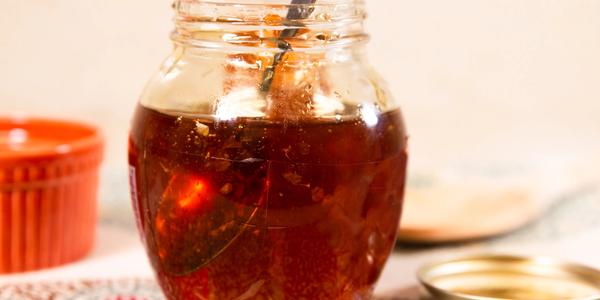
Acacia honey is sold as the diabetic-friendly honey, usually with a glycemic index of 32. That number is unsourced — here is what has actually been measured.

A five-minute honey syrup that blends seamlessly into shaken and stirred drinks — all the floral depth of raw honey, none of the clumping.

The classic Prohibition-era gin sour, sweetened with honey syrup instead of sugar.
#38
National Rank
by honey production
260K lbs
Annual Honey
USDA NASS Honey Report
5,000
Managed Colonies
USDA NASS Honey Report
1,500
Registered Beekeepers
USDA NASS reports focus entirely on commercial apiaries operating five or more honey-producing hives. This baseline metric leaves out a broad, vibrant network of small homesteaders, backyard hobbyists, and regenerative family farms across rural and suburban Kansas.
Connect with these premier honey producers for the best local experience
Don't miss these exciting honey and beekeeping events in Kansas
We couldn't find any events matching your criteria. Try adjusting your search terms or filters to discover more events.
Kansas does not enforce a mandatory state-level hive registration registry for residential hobbyist apiaries. Instead, beekeepers are encouraged to map hive coordinates on BeeCheck to mitigate pesticide exposure risks. Local municipal codes tightly manage residential zoning, maximum hive counts, freshwater requirements, and flyway buffer designs.
Kansas Honey Producers Association
StatewideVisit WebsiteThe KHPA hosts prominent bi-annual educational conferences in March and November, coordinates local swarm catchers, and manages the competitive Honey Exhibit at the Kansas State Fair in Hutchinson.
State Dept. of Agriculture
Apiary Program679 feet to 4,039 feet (Mount Sunflower)
Kansas transitions dynamically from wood-lined river basins and rich tallgrass prairies in the east to dry, high-elevation agricultural plains in the west. Navigating hives successfully requires an understanding of regional moisture limits, as western apiaries lean heavily on irrigated alfalfa and oilseeds while eastern hives thrive on wild meadow clover.