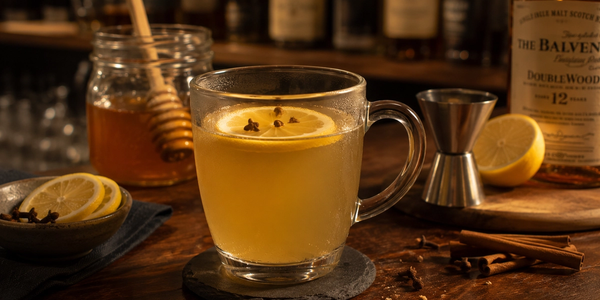
1
World-renowned for rare white Kiawe and Ohi'a Lehua honeys
Your Complete Guide to Fresh, Local Honey
With no winter dormant period, Hawaii’s bees are active year-round. The islands produce incredibly rare varietals like white Kiawe honey and the distinctively floral Lehua honey, found only on the blossoms of the native Ohi’a tree. Hawaii is also a global leader in high-quality queen bee exports due to its isolated, healthy environment.
What Sets Hawaii Apart
World-renowned for rare white Kiawe and Ohi'a Lehua honeys
Year-round active foraging with no winter dormancy
Crucial global exporter of disease-free queen bees
Isolated ecosystems creating distinct microclimates per island
Yellow Hibiscus (Pua Aloalo)
Kamehameha Butterfly (State Insect)
Ranges dramatically from pearly water-white (Kiawe) to rich dark amber (Macadamia).
May,June,July,October
Interactive year-round nectar flow guide
Peak nectar flow: April, May, June, October
Bloom Calendar
Click any month on the wheel to explore local forage details.
Peak Nectar Flow
Ohi'a Lehua reaches peak bloom, producing the incredible volumes of nectar required for Hawaii's famous white, buttery harvest.
Hawaii possesses an incredibly distinct apicultural landscape, completely unlike the contiguous United States. Honey bees, introduced in the mid-19th century, thrive here without a traditional winter dormancy. The isolated, volcanic island chain presents highly localized microclimates—ranging from arid leeward coasts to dense, rainy tropical forests. This geography supports the production of incredibly rare mono-floral varietals. Most notably, the islands are famous for white Kiawe honey, harvested from leeward coastal mesquite forests, and Ohi'a Lehua honey, a deeply cultural and exceptionally smooth honey gathered from the slopes of active volcanoes. Additionally, Hawaii’s isolated environment has allowed it to remain relatively free of several devastating global bee pathogens, establishing the state as a premier breeding ground and exporter of high-quality queen bees for the global market.
Hawaii is one of the only places on Earth to produce raw white Kiawe honey, which naturally crystallizes into a perfectly smooth, pearl-white, and spreadable texture straight from the comb!
From the Blog
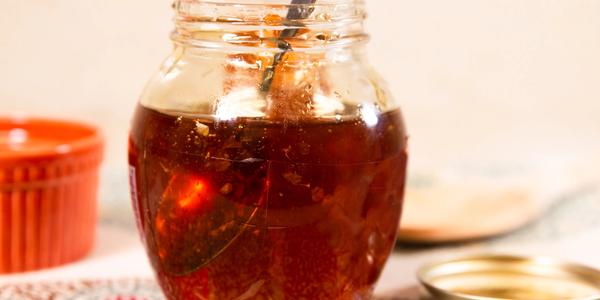
Acacia honey is sold as the diabetic-friendly honey, usually with a glycemic index of 32. That number is unsourced — here is what has actually been measured.
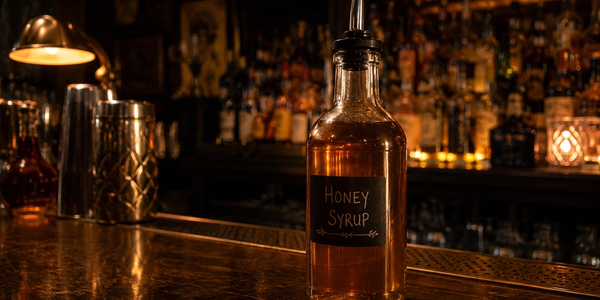
A five-minute honey syrup that blends seamlessly into shaken and stirred drinks — all the floral depth of raw honey, none of the clumping.
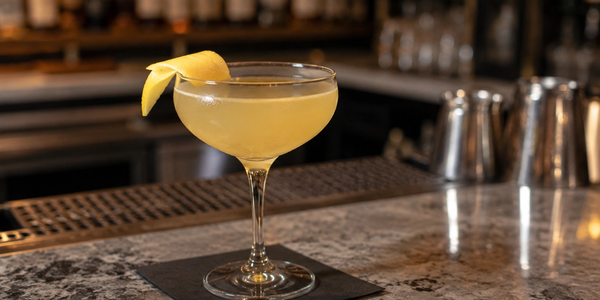
The classic Prohibition-era gin sour, sweetened with honey syrup instead of sugar.
#18
National Rank
by honey production
450
Registered Beekeepers
Hawaii's unique climate allows for year-round honey production. Precise statewide colony counts are not published independently by the USDA NASS to protect proprietary data, but the local industry is heavily driven by a booming disease-free queen-rearing export market rather than just bulk honey production.
Don't miss these exciting honey and beekeeping events in Hawaii
We couldn't find any events matching your criteria. Try adjusting your search terms or filters to discover more events.
Hive registration in Hawaii is strictly voluntary, designed by the Department of Agriculture to help monitor pests and support hive health without punitive fees. Backyard beekeeping is largely permitted, though specific setbacks, hive limits, and swarm control ordinances are managed at the local island/county level.
Hawai'i Beekeepers' Association
StatewideVisit WebsiteThe Hawai'i Beekeepers' Association serves as a statewide hub, but due to the disconnected nature of the islands, robust localized groups like the Big Island Beekeepers Association play a massive, hands-on role in organizing local mentorship and extraction events.
Big Island Beekeepers Association
Visit WebsiteState Dept. of Agriculture
Apiary ProgramSea level to 13,803 feet (Mauna Kea)
Hawaii's isolated, volcanic topography creates extreme microclimates within miles of each other. Beekeepers can manage hives in arid, desert-like conditions on the leeward coasts for Kiawe honey, while others harvest rare Ohi'a Lehua high in the misty, rain-soaked volcanic cloud forests.