1
Mandatory annual apiary registration via the State Apiarist
Your Complete Guide to Fresh, Local Honey
In Delaware, the honey scene is closely tied to the state’s vegetable and fruit crops. Bees play a critical role in pollinating local lima beans and watermelons, resulting in unique, light-bodied honeys. The coastal influence and marshy lowlands also contribute distinct floral notes to the local wildflower blends.
What Sets Delaware Apart
Mandatory annual apiary registration via the State Apiarist
Vital agricultural pollination for lima beans and melons
Unique marshland fall flows featuring sweet pepperbush
Connected to the voluntary BeeCheck pesticide drift system
Local Varietals
Peach Blossom
Light gold to dark amber
June, August, September
Interactive year-round nectar flow guide
Peak nectar flow: May, July, September
Bloom Calendar
Click any month on the wheel to explore local forage details.
Peak Nectar Flow
The primary spring flow hits hard. Tulip poplar and black locust bloom, offering an intense, fast surge of premium nectar.
Delaware's beekeeping industry is deeply intertwined with its agricultural heritage. With 7,200 managed colonies driving a $2.5 million industry, bees are essential for pollinating nearly $30 million worth of the state's fruit and vegetable crops, particularly cucumbers, watermelons, and lima beans. For backyard beekeepers, the season is defined by a rapid spring buildup to catch the intense tulip poplar flow, followed by a robust coastal marshland flow in the autumn to secure winter stores.
Delaware uses a voluntary, interactive mapping program called BeeCheck (DriftWatch), which allows registered beekeepers to plot their hives so local farmers can avoid pesticide drift onto sensitive apiaries.
From the Blog
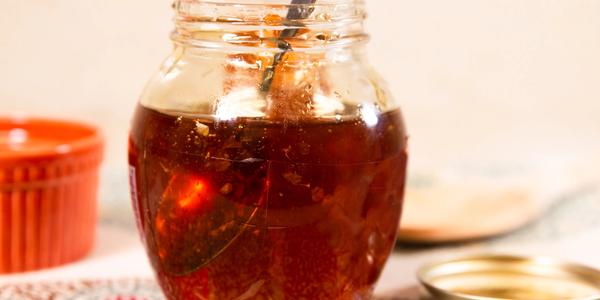
Acacia honey is sold as the diabetic-friendly honey, usually with a glycemic index of 32. That number is unsourced — here is what has actually been measured.
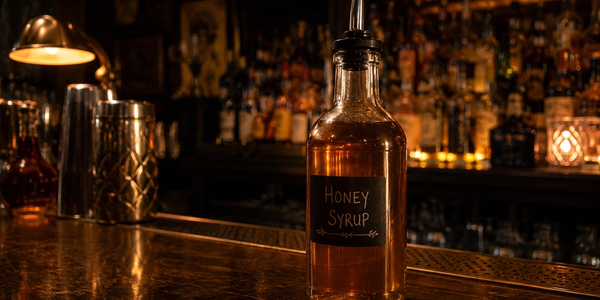
A five-minute honey syrup that blends seamlessly into shaken and stirred drinks — all the floral depth of raw honey, none of the clumping.
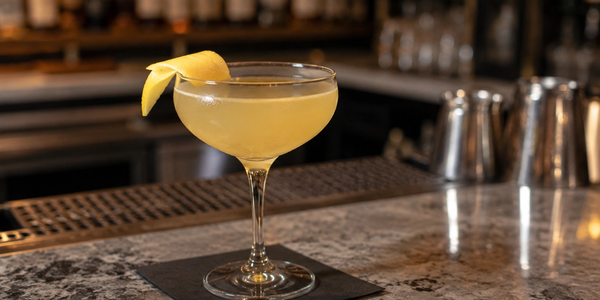
The classic Prohibition-era gin sour, sweetened with honey syrup instead of sugar.
7,200
Managed Colonies
Delaware Department of Agriculture
The USDA NASS merges Delaware's specific honey production data into the "Other States" category to protect proprietary data. Colony counts are sourced from the Delaware Department of Agriculture.
Connect with these premier honey producers for the best local experience
Don't miss these exciting honey and beekeeping events in Delaware
We couldn't find any events matching your criteria. Try adjusting your search terms or filters to discover more events.
Delaware law (Title 3, Chapter 75) requires all persons keeping bees to register their hives annually with the State Apiarist. While state registration is mandatory, specific backyard rules—such as hive limits, setbacks, and flyway barriers—are governed locally by municipal zoning codes.
Delaware Beekeepers Association
StatewideVisit WebsiteThe Delaware Beekeepers Association operates statewide to provide mentorship resources and track regional floral cycles alongside the Delaware Department of Agriculture.
State Dept. of Agriculture
Apiary ProgramSea level to 448 feet (Ebright Azimuth)
Delaware's flat, coastal geography heavily influences its nectar flows, with marshlands providing unique late-season forage like sweet pepperbush that higher elevation states lack.