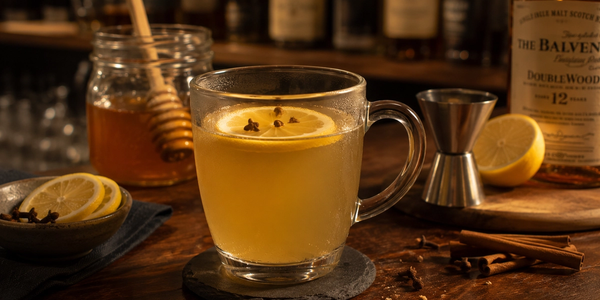
1
Home to 19,000 commercial colonies
Your Complete Guide to Fresh, Local Honey
The Natural State is a powerhouse of honey production, particularly in the fertile Delta region. Arkansas beekeepers benefit from vast acreages of soybeans and clover, producing a mild, versatile honey. In the Ozark and Ouachita mountains, diverse forest flora creates complex wildflower blends that are highly sought after by local enthusiasts.
What Sets Arkansas Apart
Home to 19,000 commercial colonies
Massive soybean and cotton honey harvests in the Delta
Rich, complex wildflower diversity in the Ozark hills
The European Honeybee is the official State Insect
Local Varietals
Apple Blossom
European Honeybee
Water white to extra light amber (soybean/cotton) to medium amber (fall wildflower)
June,July,August
Interactive year-round nectar flow guide
Peak nectar flow: May, June, July
Bloom Calendar
Click any month on the wheel to explore local forage details.
Peak Nectar Flow
The spring wild flow nears its peak in the hill regions. Bees forage constantly on clover and native vines, producing significant early nectar.
Beekeeping in Arkansas is defined by its diverse topography. In the eastern Delta lowlands, commercial apiaries thrive alongside massive irrigated fields of soybeans and cotton, producing mild, light-colored honey in large volumes during the heat of summer. Conversely, the Ozark and Ouachita mountains in the north and west support stationary and artisanal beekeepers who harvest complex, darker wildflower varietals from early spring tree blossoms, native clovers, and vines.
The European Honeybee has been the official state insect of Arkansas since 1973, recognized for its vital role in pollinating the state's agricultural crops.
From the Blog
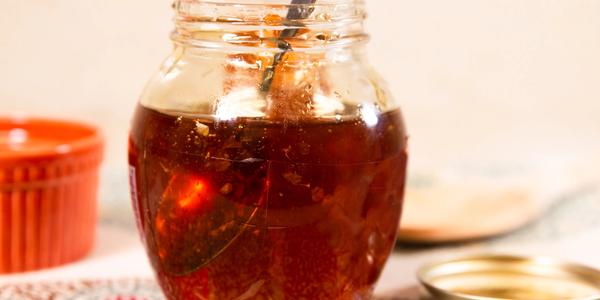
Acacia honey is sold as the diabetic-friendly honey, usually with a glycemic index of 32. That number is unsourced — here is what has actually been measured.
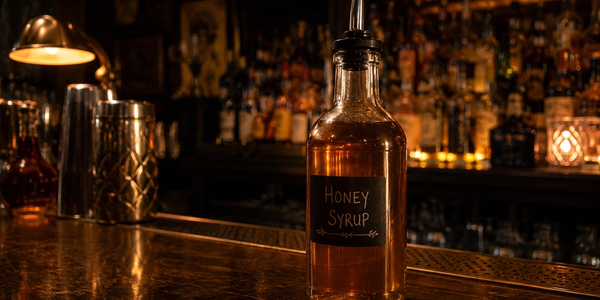
A five-minute honey syrup that blends seamlessly into shaken and stirred drinks — all the floral depth of raw honey, none of the clumping.
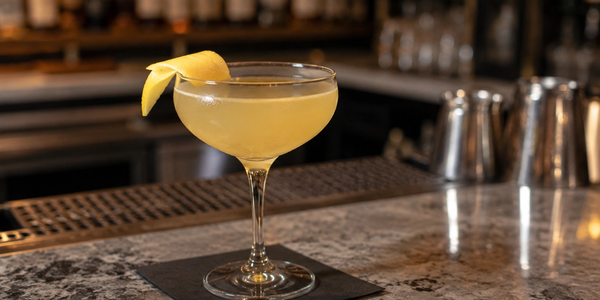
The classic Prohibition-era gin sour, sweetened with honey syrup instead of sugar.
#31
National Rank
by honey production
874K lbs
Annual Honey
USDA NASS 2024 (2023 Crop Year)
19,000
Managed Colonies
USDA NASS 2024 (2023 Crop Year)
3,500
Registered Beekeepers
Colony numbers primarily reflect commercial operations (5+ colonies) captured by USDA NASS data; yield per colony in 2023 averaged 46 lbs.
Connect with these premier honey producers for the best local experience
Don't miss these exciting honey and beekeeping events in Arkansas
We couldn't find any events matching your criteria. Try adjusting your search terms or filters to discover more events.
Under Arkansas Apiary Law, all apiaries must be registered with the State Department of Agriculture within 10 days of acquiring bees or moving them into the state. Registration is free and simple.
Arkansas Beekeepers Association
StatewideVisit WebsiteThe ABA acts as the umbrella organization for regional representatives (Central, Northeast, Northwest, Southeast, Southwest) and hosts an annual statewide conference.
Southwest Arkansas Beekeepers Association (SWABA)
Visit WebsiteState Dept. of Agriculture
Apiary Program54 feet to 2,753 feet
The state's honey production is heavily split between high-yield commercial agricultural operations in the eastern flatlands and diverse, smaller-scale wildflower apiaries in the western highlands.