1
Famous for clear, slow-crystallizing Velvet Mesquite honey
Your Complete Guide to Fresh, Local Honey
Arizona offers a surprisingly rich honey scene despite its arid reputation. Beekeepers manage hives from the low Sonoran Desert to the high Ponderosa pine forests. Key desert varietals include Mesquite and Catclaw honey, while the spring brings a rush of citrus blossoms in the valleys and wildflowers across the canyonlands.
What Sets Arizona Apart
Famous for clear, slow-crystallizing Velvet Mesquite honey
Two distinct flow spikes driven by spring warming and late monsoons
High integration of Africanized Honey Bee genetics requiring strict yard management
Unique agricultural pesticide warning systems via ARS 3-367.02
Local Varietals
Saguaro Cactus Blossom
Water white to dark amber
May, June
Interactive year-round nectar flow guide
Peak nectar flow: March, April, May, September
Bloom Calendar
Click any month on the wheel to explore local forage details.
Peak Nectar Flow
Peak Mesquite harvest. Velvet Mesquite and Desert Ironwood trees provide Arizona's signature, heavy-bodied, water-white desert honey.
Beekeeping in Arizona is an exercise in resource localization and defensive management. While commercial operators utilize the massive spring citrus blooms of the valley grids, the true soul of Arizona apiaries centers on the native arroyos where mesquite trees tap deep aquifers. Managing bees here requires an advanced understanding of wild genetics, as the wild Africanized honeybee line has completely naturalized across the lower elevations, forcing apiarists to maintain strict queen management to keep hives workable.
Desert mesquite honey contains a naturally low moisture profile due to the hyper-arid environment, resulting in an exceptionally thick, heavy-bodied varietal that avoids crystallization longer than standard clover varieties.
From the Blog
Acacia honey is sold as the diabetic-friendly honey, usually with a glycemic index of 32. That number is unsourced — here is what has actually been measured.
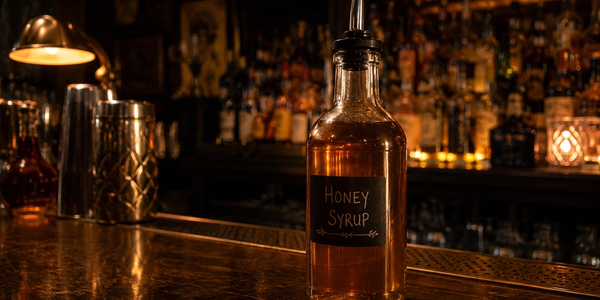
A five-minute honey syrup that blends seamlessly into shaken and stirred drinks — all the floral depth of raw honey, none of the clumping.
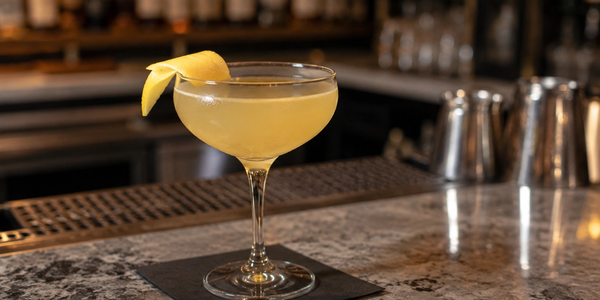
The classic Prohibition-era gin sour, sweetened with honey syrup instead of sugar.
1.4M lbs
Annual Honey
USDA NASS 2023 Honey Report
34,000
Managed Colonies
USDA NASS 2023 Honey Report
Annual yields vary wildly depending on winter rainfall totals; low winter precipitation can severely suppress the spring mesquite bud burst, dropping average per-colony output significantly.
Connect with these premier honey producers for the best local experience
Don't miss these exciting honey and beekeeping events in Arizona
We couldn't find any events matching your criteria. Try adjusting your search terms or filters to discover more events.
No general state registration is required, but beekeepers in commercial agricultural areas must comply with ARS 3-367.02, providing written land notifications to farmers to secure mandatory pre-application pesticide warnings. Municipal ordinances dictate urban hive counts.
State Dept. of Agriculture
Apiary Program70 feet (Colorado River) to 12,633 feet (Humphreys Peak)
Extreme temperature variations between northern plateau basins and baking southern alluvial plains dictate highly mobile migratory management tracking seasonal flora lines.