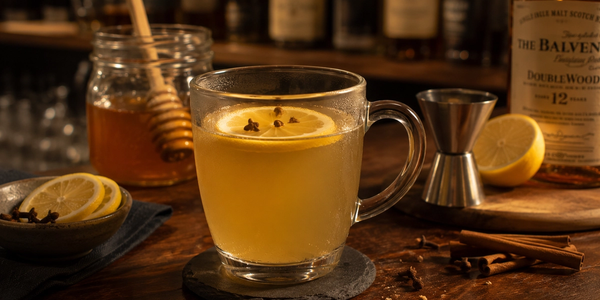
1
Deeply rooted agricultural history
Your Complete Guide to Fresh, Local Honey
Alabama beekeeping is deeply rooted in the state’s agricultural heritage. From the Tennessee Valley to the Gulf Coast, beekeepers harvest distinct varietals like cotton honey, known for its light color and delicate flavor. The state’s long growing season and abundant wildflowers provide a steady nectar flow for both backyard hobbyists and commercial apiaries.
What Sets Alabama Apart
Deeply rooted agricultural history
Famous for light cotton and gallberry varietals
Long southern foraging season
Mandatory annual apiary registration
Local Varietals
Camellia
Queen Honeybee
Water white to amber
June, July
Interactive year-round nectar flow guide
Peak nectar flow: April, May, June
Bloom Calendar
Click any month on the wheel to explore local forage details.
Peak Nectar Flow
Peak wild harvest. White clover and gallberry bushes secrete thick nectar, resulting in Alabama's signature light, mild honey varietals.
Beekeeping in Alabama mirrors the state’s multi-layered topography. The historical heart of production traces through the Black Belt prairie soils and the sweet clover fields of the Tennessee Valley. Over the last century, operations transitioned from basic farmstead hive boxes to highly mobile pollination services traveling between local orchards, cotton fields, and southern coastal pine forests.
Alabama designated the Queen Honeybee as its official state agricultural insect in 1975 to honor its critical role in crop pollination.
From the Blog
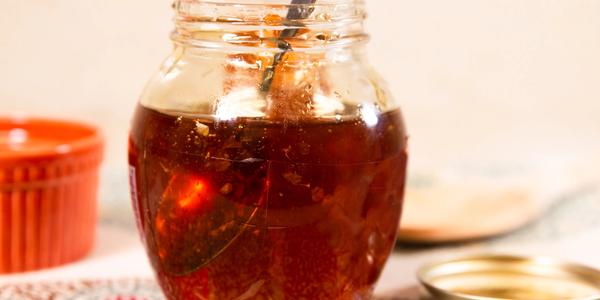
Acacia honey is sold as the diabetic-friendly honey, usually with a glycemic index of 32. That number is unsourced — here is what has actually been measured.
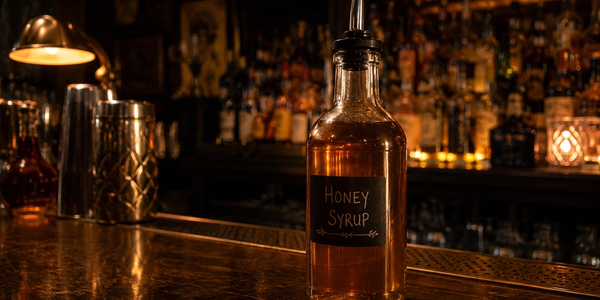
A five-minute honey syrup that blends seamlessly into shaken and stirred drinks — all the floral depth of raw honey, none of the clumping.
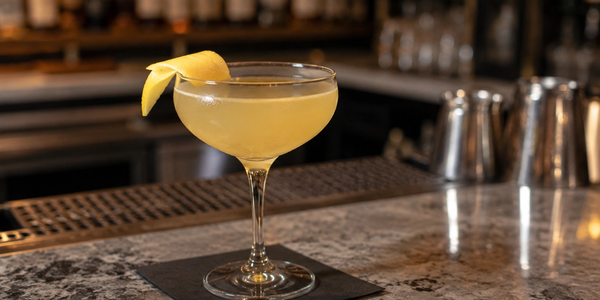
The classic Prohibition-era gin sour, sweetened with honey syrup instead of sugar.
#35
National Rank
by honey production
380K lbs
Annual Honey
USDA NASS Baseline Metric Estimate
9,000
Managed Colonies
USDA NASS — 2022 Census of Agriculture Data
Colony numbers reflect commercial and sampled small-scale operations tracked by national agricultural censuses.
Connect with these premier honey producers for the best local experience
Don't miss these exciting honey and beekeeping events in Alabama
We couldn't find any events matching your criteria. Try adjusting your search terms or filters to discover more events.
All honey bee colonies must be registered annually by October 1 with the Alabama Department of Agriculture and Industries (ADAI). Local zoning limits maximum hive density and boundaries.
State Dept. of Agriculture
Apiary ProgramSea level to 2,407 feet (Cheaha Mountain)
Hot, humid summers require reliable, shaded yard water sources to prevent severe colony heat stress and empty-hive melting.