1
Famed for rare, medicinal mountain Basswood and premium Sourwood honeys
Your Complete Guide to Fresh, Local Honey
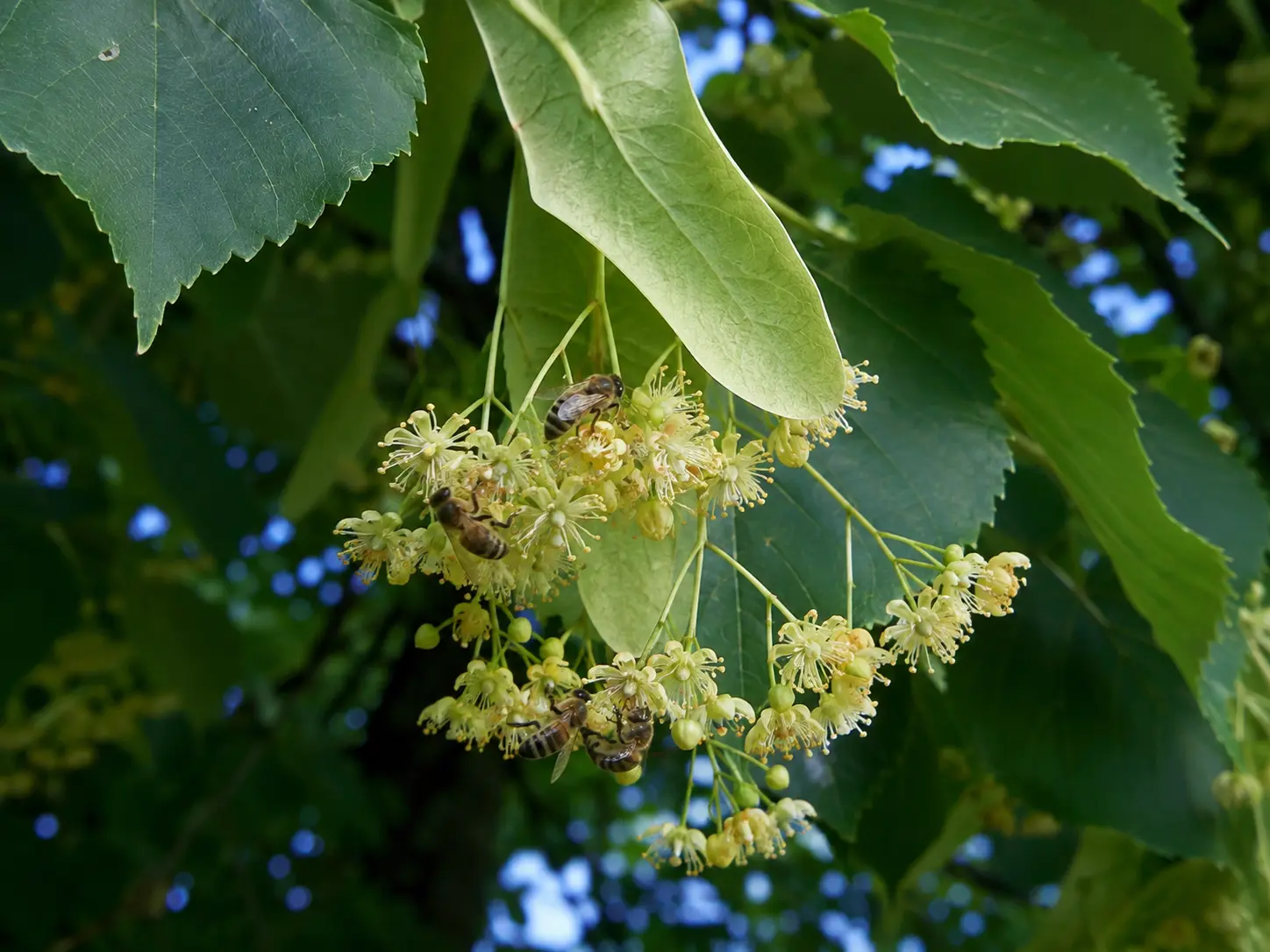
In West Virginia, the honey scene is wild and forest-centric. Beekeepers here avoid large-scale agriculture in favor of "Mountain Medley" honeys. The state is a significant producer of Sourwood honey and "Lin" (Basswood) honey. Because of the rugged terrain, West Virginia honey is often harvested in small, artisanal batches that capture the untouched floral diversity of the Appalachian wilderness.
What Sets West Virginia Apart
Famed for rare, medicinal mountain Basswood and premium Sourwood honeys
Grants statutory civil liability immunity to registered, law-abiding beekeepers
Mandatory annual apiary registration through the WVDA by June 30th
Artisanal forest-centric forage completely independent of commercial monoculture
Strong regional support network backed by the West Virginia Beekeepers Association
Local Varietals
Rhododendron
Honey Bee
Luminous straw-colored from locust stands, turning to a heavy, deep dark amber with reddish undertones from summer poplar blooms.
June, July, September
Interactive year-round nectar flow guide
Peak nectar flow: May, June, July
Bloom Calendar
Click any month on the wheel to explore local forage details.
Peak Nectar Flow
Peak spring forest flow explodes as Black Locust groves and massive Tulip Poplar trees bloom heavily throughout the state, fueling a rapid honey-producing surge in the supers.
The wilderness landscape of the Appalachian mountains shapes a deeply traditional, non-industrialized approach to apiculture throughout the Mountain State. Rather than positioning hives inside massive commercial crop rows, operators here tuck small bee yards directly into rich hardwood timber canopies. This management framework relies on a succession of ancient forest blooms that roll upward in elevation as the spring transitions to summer. Sideliners must become expert woodsmen, tracking the hidden bloom cycles of black locust, tulip poplar, mountain linden, and sourwood trees hidden deep within steep mountain hollows.
West Virginia state code contains a highly unique legal protection for apiary owners: if you register your hives annually and follow the official best management practices, you are granted complete statutory immunity from any lawsuits involving bee stings or property damage.
From the Blog
Acacia honey is sold as the diabetic-friendly honey, usually with a glycemic index of 32. That number is unsourced — here is what has actually been measured.

A five-minute honey syrup that blends seamlessly into shaken and stirred drinks — all the floral depth of raw honey, none of the clumping.

The classic Prohibition-era gin sour, sweetened with honey syrup instead of sugar.
#39
National Rank
by honey production
306K lbs
Annual Honey
USDA NASS 2023 Honey Report
6,000
Managed Colonies
USDA NASS 2023 Honey Report
1,147
Registered Beekeepers
Federal agricultural surveys record honey production statistics exclusively from commercial stakeholders running five or more active colonies. Because West Virginia's apiary footprint is composed largely of small mountain homesteads and hobbyists holding fewer than four hives, true local hive populations exceed 15,000 units, and total state honey production numbers are vastly underreported.
Connect with these premier honey producers for the best local experience
Don't miss these exciting honey and beekeeping events in West Virginia
We couldn't find any events matching your criteria. Try adjusting your search terms or filters to discover more events.
Every person keeping honeybees within West Virginia boundaries must file a registration application with the WVDA within ten days of obtaining bees. Certificates carry no state fee and must be renewed annually by June 30th, providing the state with vital metrics to monitor regional outbreaks of destructive bee diseases.
West Virginia Beekeepers Association
StatewideVisit WebsiteThe WVBA coordinates an active annual fall conference and honey show, linking dozens of regional mountain clubs and partnering with the WVU Extension service to run diagnostic disease clinics and local mentoring schemes.
Barbour County Beekeepers Association
Visit WebsiteState Dept. of Agriculture
Apiary Program240 feet (Potomac River) to 4,863 feet (Spruce Knob)
West Virginia features the highest average elevation of any state east of the Mississippi River, defined by a rolling landscape of unsegmented hardwood forests and jagged ridges. This mountain topology delays spring bloom states by several weeks compared to coastal plains, requiring area beekeepers to track localized cold patterns and ensure hives have heavy thermal insulation to block severe mountain freezes.