1
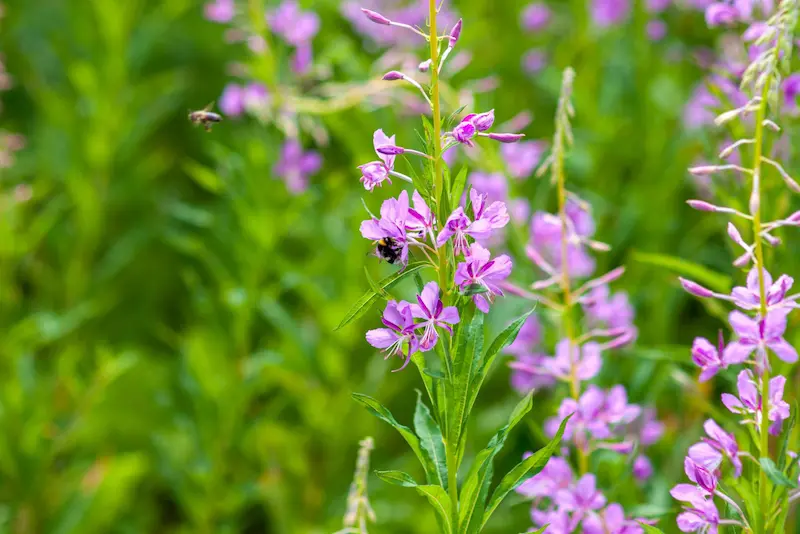
Source of rare, ultra-premium, water-clear Cascade alpine Fireweed honey
Your Complete Guide to Fresh, Local Honey
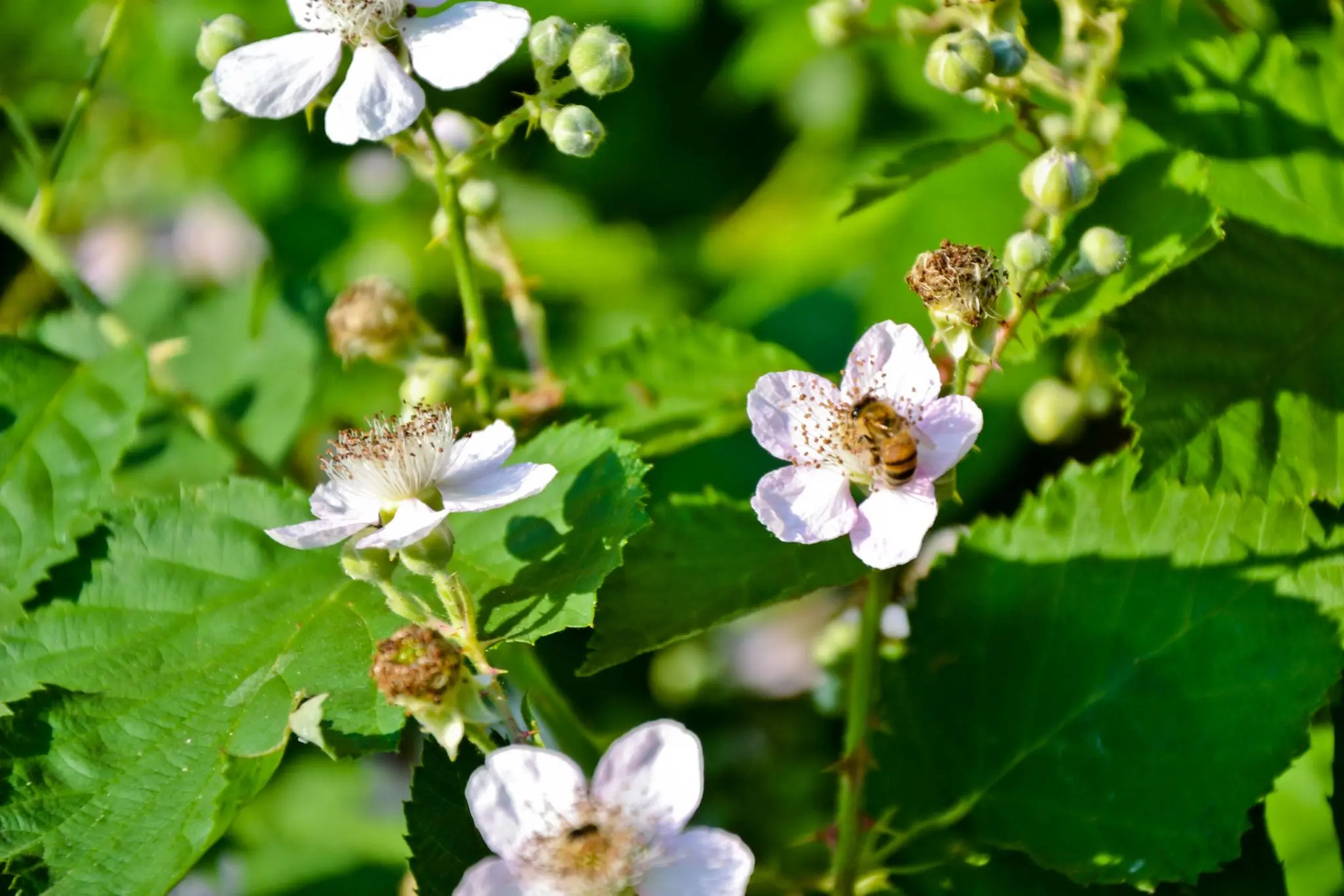
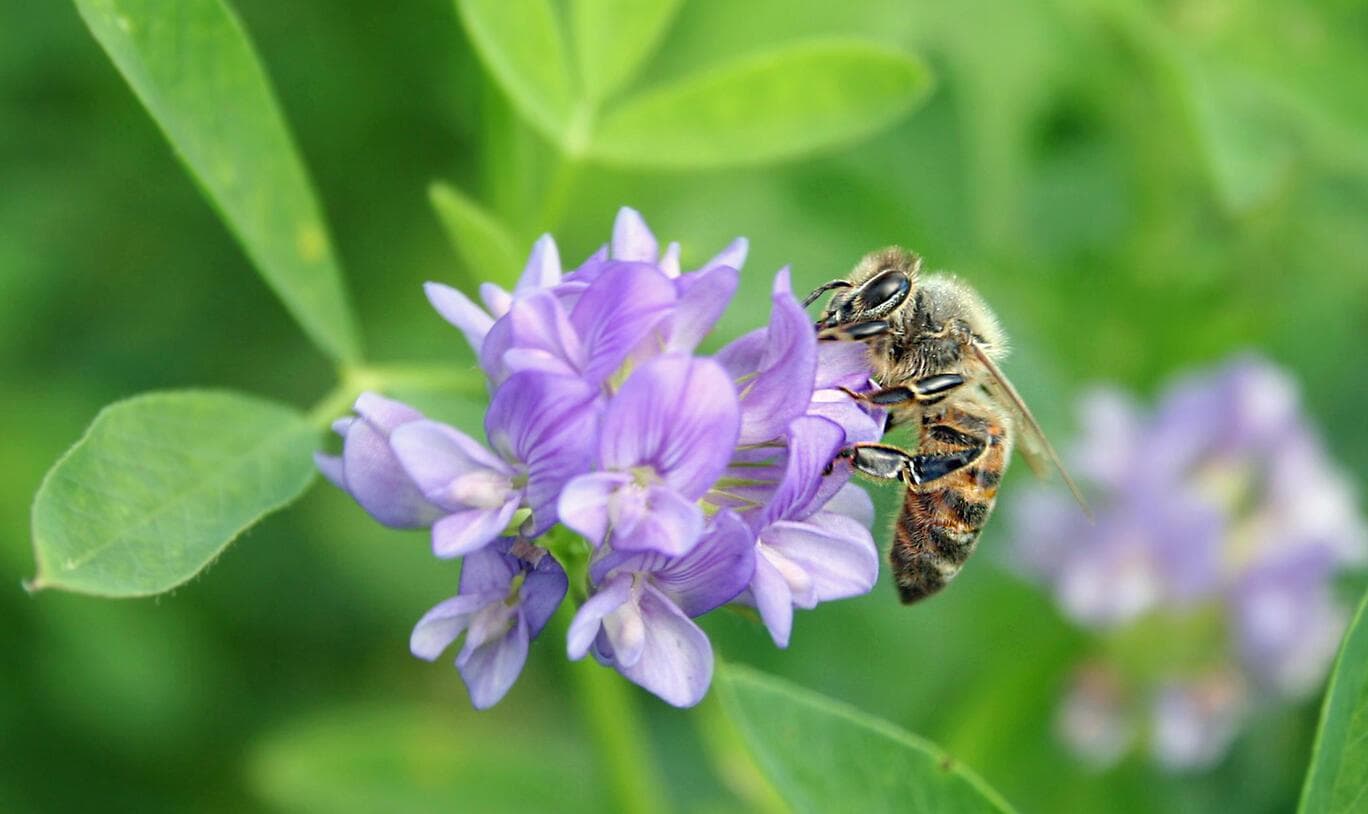
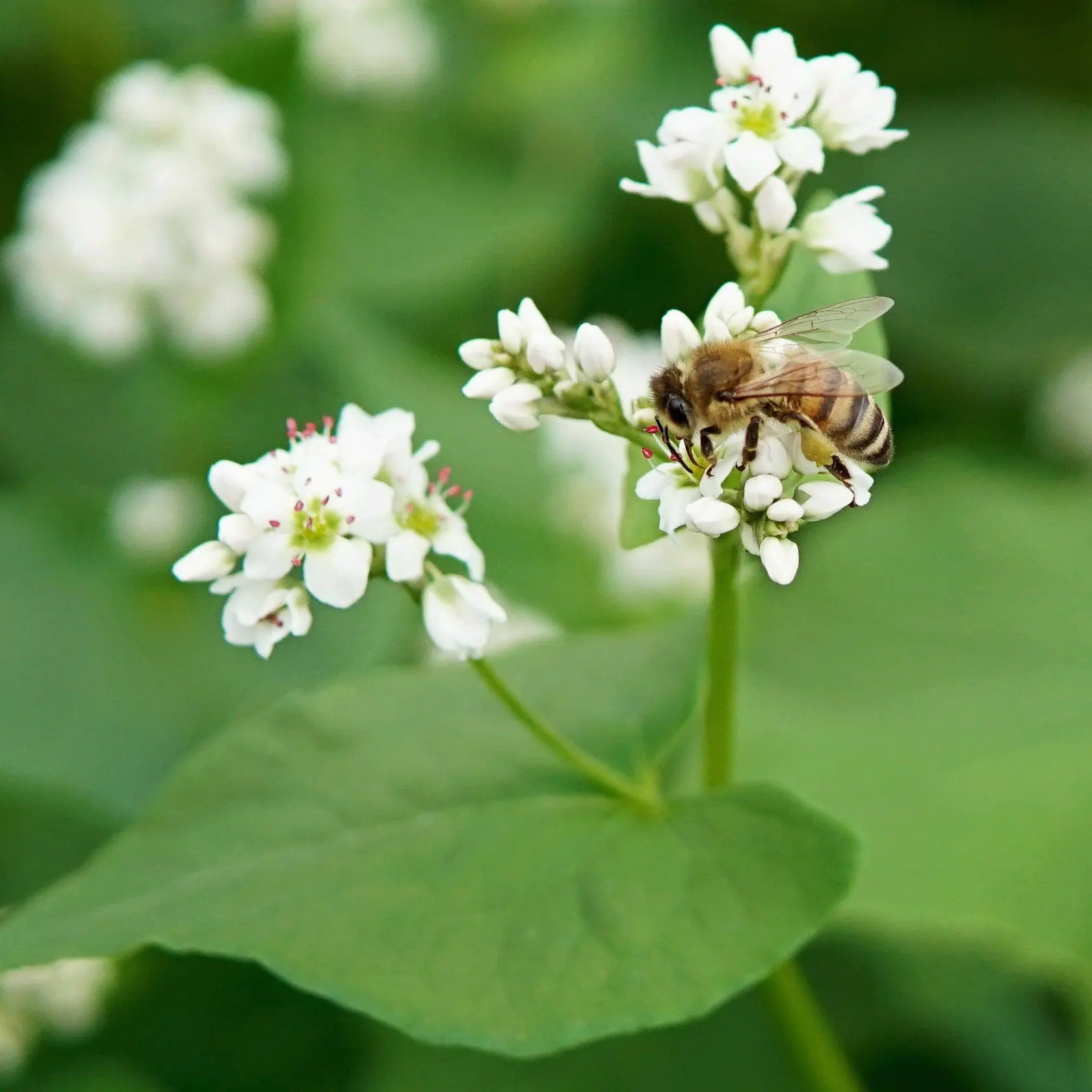
The Washington honey scene is as diverse as its landscape. In the rain-soaked west, beekeepers harvest massive amounts of Blackberry honey and the rare, premium Fireweed honey from the Cascades. To the east, the irrigated Yakima Valley and Columbia Basin provide a bounty of Alfalfa and Buckwheat nectar, making Washington a top-ten honey producer in the country.
What Sets Washington Apart
Source of rare, ultra-premium, water-clear Cascade alpine Fireweed honey
Heavy low-elevation spring flows driven by ubiquitous Himalayan Blackberry thickets
Mandatory annual hive registration with WSDA funding targeted research
Vast ecoregion divide between damp coastal forests and dry agricultural basins
Proactive state-wide education managed by the Washington State Beekeepers Association
Local Varietals
Coast Rhododendron
Honey Bee
Water-clear from fireweed stands, light straw amber from blackberry, and dark molasses-colored from eastern buckwheat fields.
June, July, August
Interactive year-round nectar flow guide
Peak nectar flow: May, July
Bloom Calendar
Click any month on the wheel to explore local forage details.
Peak Nectar Flow
The legendary low-elevation nectar flow arrives as billions of invasive Himalayan blackberry thickets erupt across Western Washington, offering a massive, rapid honey-producing surge.
Vast geographical barriers slice through the apicultural identity of the Evergreen State, creating two radically independent honey ecosystems separated by the Cascade Range crest. On the fog-shrouded western shelf, beekeepers navigate dense coastal forests and urban evergreen spaces where spring management requires rapid hive expansion to catch short, explosive blackberry flows. Conversely, eastern operators base their businesses around the sun-drenched, highly irrigated agricultural corridors of the Yakima Valley and Columbia Basin. Here, migratory outfits support the multi-billion dollar tree fruit industry before capturing heavy, dark agricultural honey yields from sprawling alfalfa, clover, and buckwheat fields.
Washington's high-altitude fireweed honey is so pale and clear that it is frequently described as looking like pure water in the jar, possessing an uniquely delicate buttery sweet profile that commands premium prices worldwide.
From the Blog
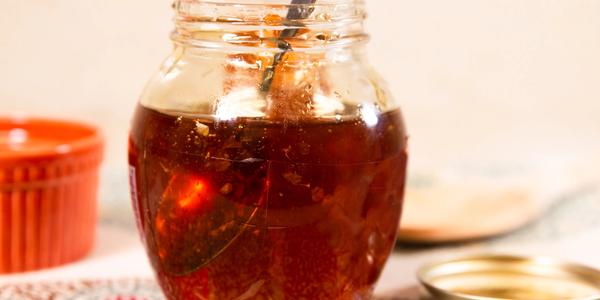
Acacia honey is sold as the diabetic-friendly honey, usually with a glycemic index of 32. That number is unsourced — here is what has actually been measured.
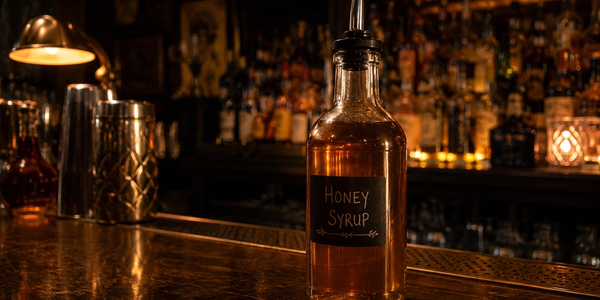
A five-minute honey syrup that blends seamlessly into shaken and stirred drinks — all the floral depth of raw honey, none of the clumping.
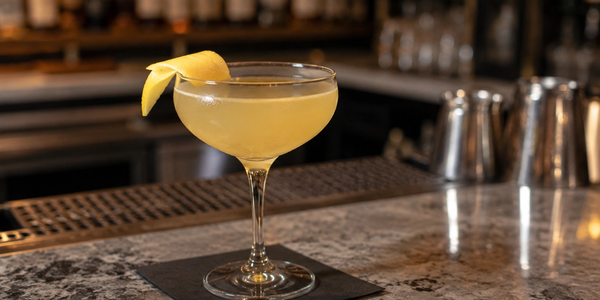
The classic Prohibition-era gin sour, sweetened with honey syrup instead of sugar.
#11
National Rank
by honey production
2.3M lbs
Annual Honey
USDA NASS 2023 Honey Report
83,000
Managed Colonies
USDA NASS 2023 Honey Report
4,000
Registered Beekeepers
The commercial metrics tracked by federal agencies reflect honey-producing operations running five or more active colonies. Because Washington hosts an immense network of small-scale coastal hobbyists and community orchard apiaries with fewer than four hives, true local hive metrics and total honey volumes exceed reported totals.
Connect with these premier honey producers for the best local experience
Don't miss these exciting honey and beekeeping events in Washington
We couldn't find any events matching your criteria. Try adjusting your search terms or filters to discover more events.
All Washington residents owning or operating honeybee colonies must register annually by April 1st with the WSDA. Registration scales between $5 and $300 based on hive counts, with all accrued funds legally earmarked to finance honeybee diagnostic research and pollinator protection programs at Washington State University.
Washington State Beekeepers Association
StatewideVisit WebsiteOperating since 1951, WASBA administers a highly regarded multi-tier Master Beekeeper certification program, supports regional swarming networks, and partners with the WSU Honey Bee Lab to track regional pest issues.
Puget Sound Beekeepers Association
Visit WebsiteState Dept. of Agriculture
Apiary ProgramSea level to 14,411 feet (Mount Rainier)
Washington presents a striking topographic split, transitioning from hyper-humid western rainforests and coastal lowlands to the rain shadow basins of the east. Western apiaries must manage intense moisture levels within the hive boxes to prevent mold during winter, whereas eastern apiaries struggle with high summer heat and drought vectors.