1
Renowned for exceptional slow-crystallizing coastal varietals like water-white Gallberry honey
Your Complete Guide to Fresh, Local Honey
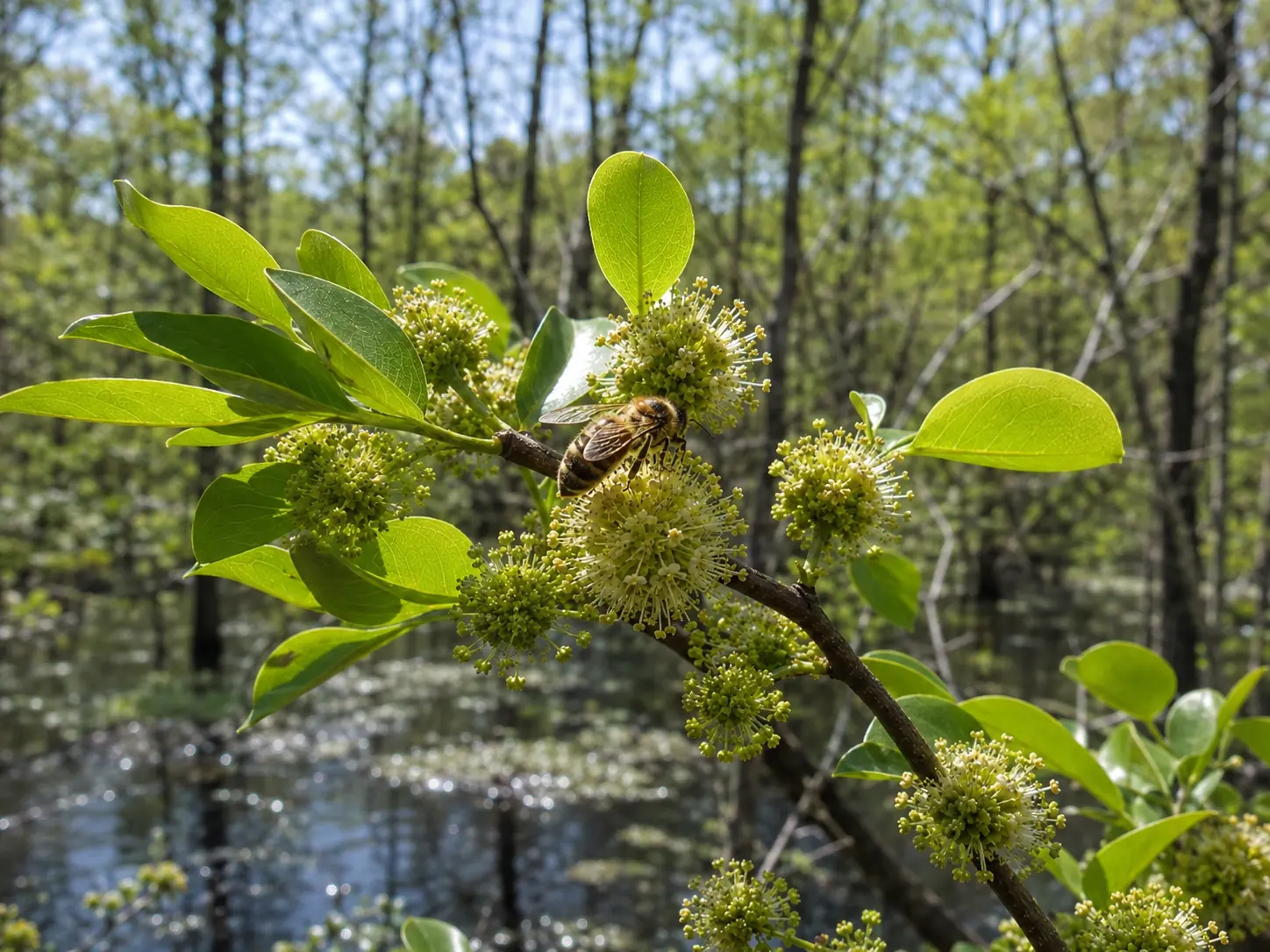
The South Carolina honey scene is defined by the lush biodiversity of the Lowcountry and the Piedmont. Beekeepers prize the Gallberry bush for its reliable nectar flow and slow-to-crystallize honey. In the river swamps, small harvests of Tupelo honey are possible, while the spring brings a heavy flow of Tulip Poplar, producing a dark, full-bodied honey popular in local kitchens.
What Sets South Carolina Apart
Renowned for exceptional slow-crystallizing coastal varietals like water-white Gallberry honey
Exploits a diverse ecosystem spanning maritime blackwater swamps to the rugged Blue Ridge foothills
Maintains an entirely voluntary pesticide protection registry over a mandatory tracking model
Provides comprehensive legal hive exemptions for direct-to-consumer small-scale producers under 400 gallons
Actively tracking and monitoring the potential spread of the invasive yellow-legged hornet
Local Varietals
Yellow Jessamine
Honey Bee
Highly variable, sliding from the dense, dark-amber, molasses-toned spring Tulip Poplar to a pristine, bright straw-yellow for summer Gallberry and water-clear coastal Tupelo
June, July, September
Interactive year-round nectar flow guide
Peak nectar flow: May, June
Bloom Calendar
Click any month on the wheel to explore local forage details.
Peak Nectar Flow
The primary spring tree canopy flow strikes as massive Tulip Poplar and Black Locust woodlands secrete heavy, dark volumes that satisfy large colony configurations.
The diverse ecologies of the Palmetto State create a highly fragmented yet exceptionally rich forage loop that shifts cleanly from the tidal salt marshes and blackwater river systems of the Lowcountry up to the oak-pine forests of the Piedmont. In early spring, inner river swamps generate highly prized, localized flushes of wild Ogeechee Tupelo and intense canopy surges from native Tulip Poplar trees. As summer advances, coastal flatwoods dominated by inkberry (locally termed Gallberry) produce a thick, light honey celebrated for its low glucose composition and exceptional resistance to crystallization, anchoring a vibrant community of artisanal roadside stand operators and family-run sideline apiaries.
South Carolina provides an exceptional regulatory loophole for artisanal apiculture via the state Honey Exemption rule: individuals harvesting fewer than 400 gallons of honey annually and selling directly to end-consumers are completely exempt from commercial honey house building inspections and official verification certificates.
From the Blog
Acacia honey is sold as the diabetic-friendly honey, usually with a glycemic index of 32. That number is unsourced — here is what has actually been measured.
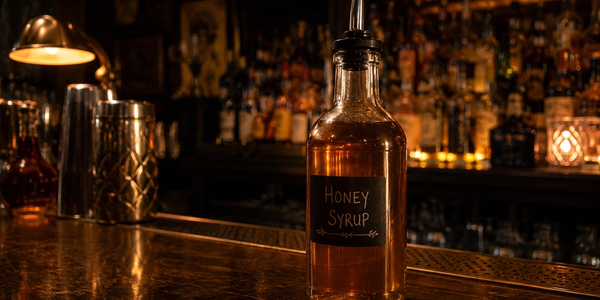
A five-minute honey syrup that blends seamlessly into shaken and stirred drinks — all the floral depth of raw honey, none of the clumping.
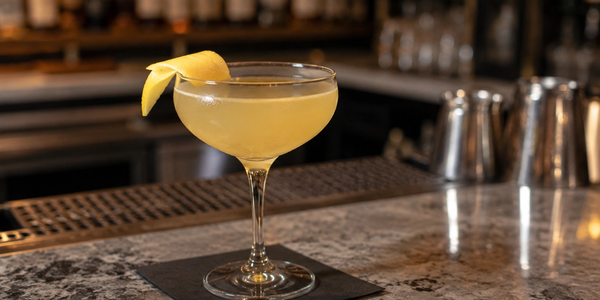
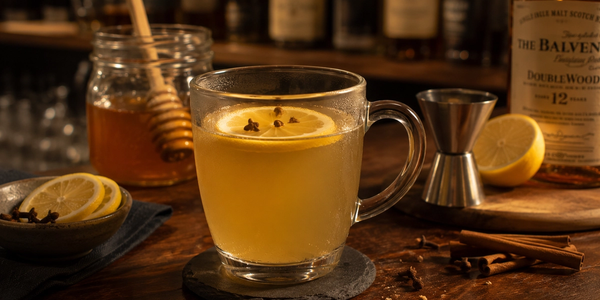
The classic Prohibition-era gin sour, sweetened with honey syrup instead of sugar.
#32
National Rank
by honey production
675K lbs
Annual Honey
Clemson University Extension Apiculture Historical Baseline
15,000
Managed Colonies
Clemson University Department of Plant Industry Apiary Index Pool
350
Registered Beekeepers
Official USDA metrics isolate large commercial operations managing 5 or more colonies. Because South Carolina's honey ecosystem is overwhelmingly composed of non-commercial hobbyist beekeepers, thousands of active hives and hyper-local farmers market yields escape formal federal tracking systems.
Connect with these premier honey producers for the best local experience
Don't miss these exciting honey and beekeeping events in South Carolina
We couldn't find any events matching your criteria. Try adjusting your search terms or filters to discover more events.
South Carolina does not maintain a mandatory hive registration framework. Beekeepers are strongly encouraged to list apiary coordinates via the voluntary Clemson University Department of Pesticide Regulation mapping infrastructure to receive mandatory automated warnings before commercial mosquito or agricultural pesticide applications hit within their flying zones.
South Carolina State Beekeepers Association
StatewideVisit WebsiteThe SCBA directly oversees dozens of regional county-level affiliates, acts as a primary regulatory liaison with Clemson Extension, and funds targeted youth beekeeping scholarship initiatives.
State Dept. of Agriculture
Apiary ProgramSea level to 3,553 feet (Sassafras Mountain)
The physical geography of the state slides from sandy, acid-rich coastal flatwoods to tight granite mountain structures. Successful hive placement requires distinct regional management, as dark early woodland tree flows wrap up in the Piedmont just as the water-white Gallberry bushes reach peak nectar secretion in the humid outer plains.