1
Global epicenter for rare, premium mountain sourwood honey harvests
Your Complete Guide to Fresh, Local Honey
North Carolina offers one of the most varied honey palettes in the country. The crown jewel is Appalachian Sourwood honey, world-renowned for its caramel-like flavor and spicy finish. Beyond the mountains, the state’s coastal plains produce unique Gallberry and Tulip Poplar honeys, supported by a massive network of dedicated hobbyist and commercial beekeeping associations.
What Sets North Carolina Apart
Global epicenter for rare, premium mountain sourwood honey harvests
Vast eastern wetlands yield distinct, slow-crystallizing gallberry honey variations
Boasts the largest organized statewide hobbyist beekeeping association in the country
Enforces specialized voluntary yard registry coupled with active state inspector diagnostics
Local Varietals
Flowering Dogwood
Honey Bee
Water white to pale straw with unique greenish-gray clarifies from high-altitude sourwood, shifting to a deep reddish-amber during piedmont poplar flows.
May, July, September
Interactive year-round nectar flow guide
Peak nectar flow: May, July
Bloom Calendar
Click any month on the wheel to explore local forage details.
Peak Nectar Flow
The primary eastern harvest hits its stride as vast thickets of highbush gallberry and towering tulip poplar trees explode into full bloom across coastal plain waterways.
Spanning three distinct geographic zones—from the wind-swept maritime flats of the Outer Banks across the rolling red clay Piedmont to the soaring peaks of the Blue Ridge Mountains—the apicultural tapestry here is remarkably rich. Commercial and migratory operations in the coastal east anchor their spring goals on wild gallberry bushes and dense tulip poplar stands, producing rich, dark honeys prized for minimal crystallization tendencies. Simultaneously, western mountain apiaries time their entire management calendar around a fleeting, high-stakes mid-summer phenomenon: the blooming of the native sourwood tree. This montane ecosystem yields a globally celebrated, water-white varietal noted for its deep caramel nuance and crisp anise finish, heavily supported by a dense network of county-level clubs under the North Carolina State Beekeepers Association.
The historic North Carolina State Beekeepers Association, established originally in 1917, is widely recognized as the largest structural state hobbyist apicultural group in the United States, managing over 4,000 active members across nearly all 100 counties.
From the Blog
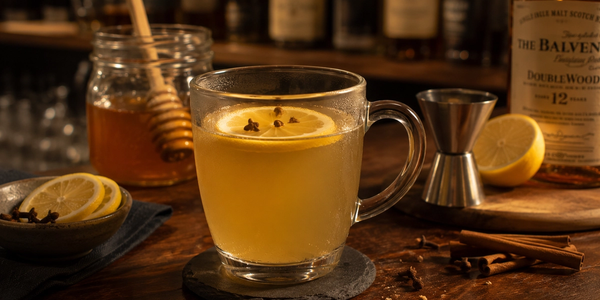
Acacia honey is sold as the diabetic-friendly honey, usually with a glycemic index of 32. That number is unsourced — here is what has actually been measured.
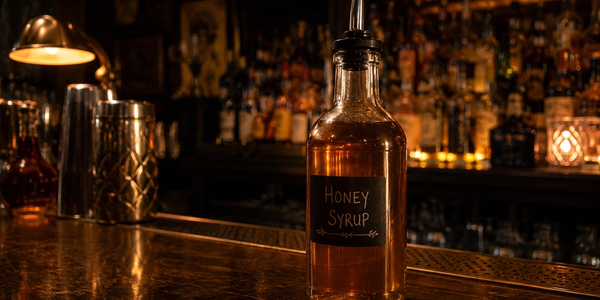
A five-minute honey syrup that blends seamlessly into shaken and stirred drinks — all the floral depth of raw honey, none of the clumping.

The classic Prohibition-era gin sour, sweetened with honey syrup instead of sugar.
#34
National Rank
by honey production
510K lbs
Annual Honey
USDA NASS State Apiary Production Metrics
15,000
Managed Colonies
USDA NASS State Apiary Production Metrics
4,500
Registered Beekeepers
Federal agricultural reporting frameworks exclusively compile data from commercial outfits running five or more hives. Because this state is heavily dominated by a massive, distributed network of residential backyard hobbyists, true baseline hive populations and artisanal yields are significantly higher than official USDA tallies.
Connect with these premier honey producers for the best local experience
Don't miss these exciting honey and beekeeping events in North Carolina
We couldn't find any events matching your criteria. Try adjusting your search terms or filters to discover more events.
Apiary yard registration remains entirely voluntary under the jurisdiction of the Department of Agriculture and Consumer Services. The state enforces a progressive Honeybee Protective Act that shields responsible apiaries from arbitrary municipal bans, though safety setbacks and density limits are managed by specific town zoning codes.
North Carolina State Beekeepers Association
StatewideVisit WebsiteThe NCSBA oversees over 80 active county-level chapters, maintains the prestigious Certified Honey Producer Registry, and sponsors an endowed professorship in apiculture at North Carolina State University.
Buncombe County Beekeepers Chapter
Visit WebsiteState Dept. of Agriculture
Apiary ProgramSea level to 6,684 feet (Mount Mitchell)
The state features striking physical transitions, running from low-lying coastal maritime sounds up to the highest elevations in eastern North America. Beekeepers must manage high localized humidity in the coastal zones to prevent honey spoilage and implement robust mountain windbreaks to blunt freezing high-altitude winter storms.