1
Renowned for thick, ultra-low moisture Honey Mesquite and Alfalfa varietals
Your Complete Guide to Fresh, Local Honey
New Mexico offers a captivating, high-altitude honey environment shaped by intense sun and dramatic desert landscapes. From the honey mesquite thickets of the southern rangelands to the irrigated alfalfa crops along the Rio Grande, the state yields robust, distinctively low-moisture varietals. Local beekeepers successfully navigate low seasonal rainfall and freezing desert nights to create a truly enchanting artisanal honey industry.
What Sets New Mexico Apart
Renowned for thick, ultra-low moisture Honey Mesquite and Alfalfa varietals
Enforces strict statutory entry permits under the New Mexico Bee Act
Strong autumn honey production driven by extensive desert rabbitbrush blooms
Active training programs led by the New Mexico Beekeepers Association
Requires mandatory registration of all apiaries via the NMDA platform
Local Varietals
Yucca Flower
Honey Bee
Clear water-white to extra-light straw from early mesquite; transitions to thick, deep amber from autumn desert composites.
June, September, October
Interactive year-round nectar flow guide
Peak nectar flow: May, September
Bloom Calendar
Click any month on the wheel to explore local forage details.
Peak Nectar Flow
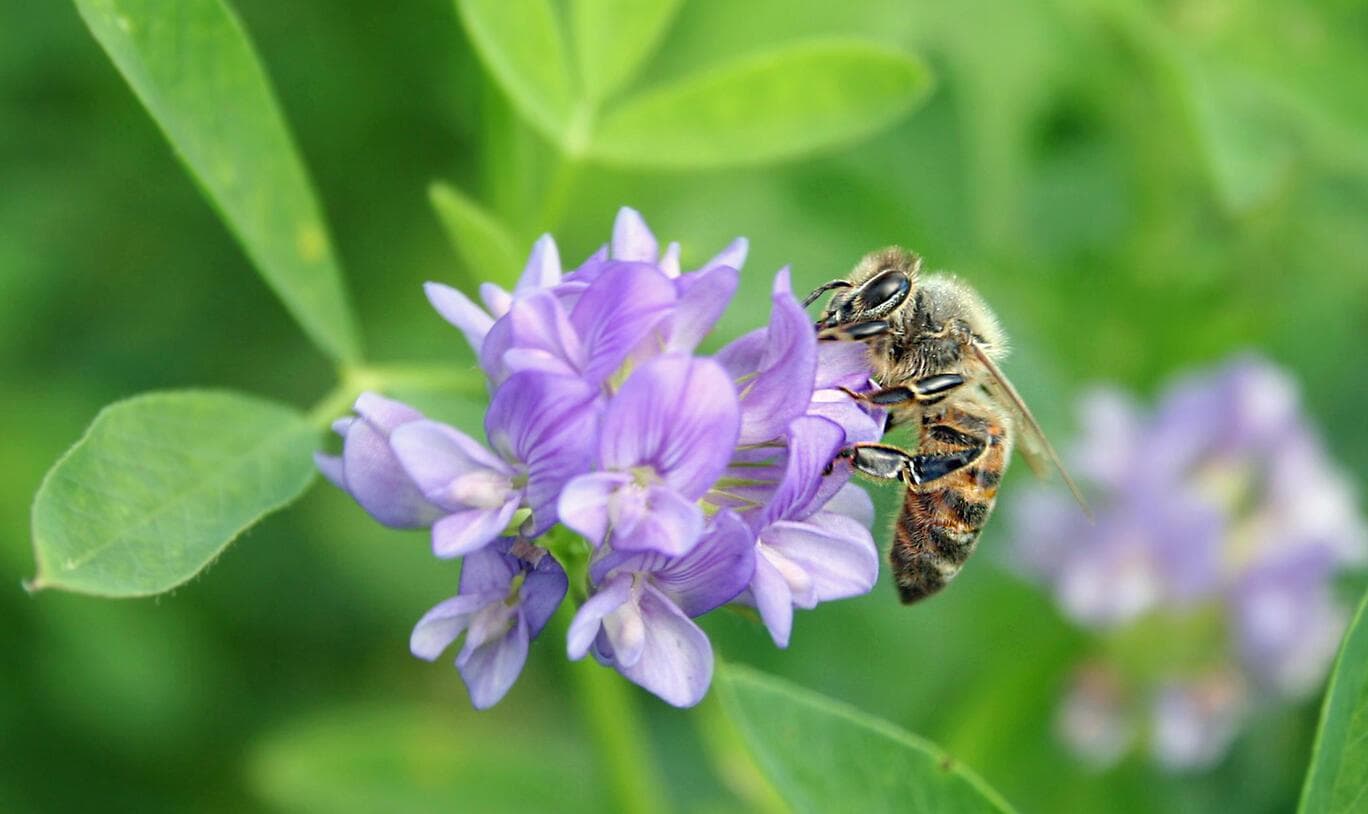
The first major desert nectar flow hits as extensive thickets of Honey Mesquite across the southern plains and low river valleys provide an intense, premium water-white nectar flow.
Apiculture across the Land of Enchantment is a spectacular journey through extreme topographical shifts, where managing bees requires navigating deep river canyons and vast high-desert rangelands. Beekeepers optimize their yards by tracking the stark differences between the hot, arid southern lowlands and the cool, alpine climates of the northern mountains. The regional honey landscape relies heavily on irrigated agricultural belts along the Rio Grande and Pecos rivers, which provide a reliable oasis of forage amidst surrounding arid sands. Successful apiaries master the art of dual flows, collecting water-white premium mesquite crop early in the season before prepping hives for a massive golden harvest from late-summer monsoons.
New Mexico is famous for its intensive late-summer yellow rubber rabbitbrush flow, which yields a thick, golden honey with a highly unique, pungent, and sharp aroma that mellows over time into a prized specialty delicacy.
From the Blog
Acacia honey is sold as the diabetic-friendly honey, usually with a glycemic index of 32. That number is unsourced — here is what has actually been measured.
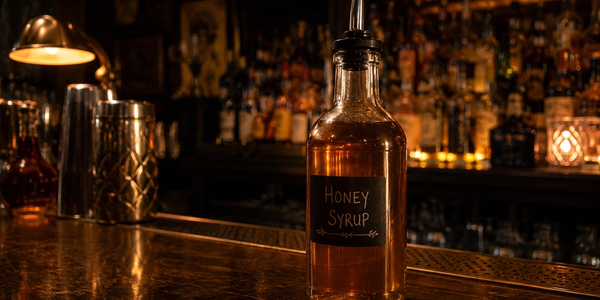
A five-minute honey syrup that blends seamlessly into shaken and stirred drinks — all the floral depth of raw honey, none of the clumping.
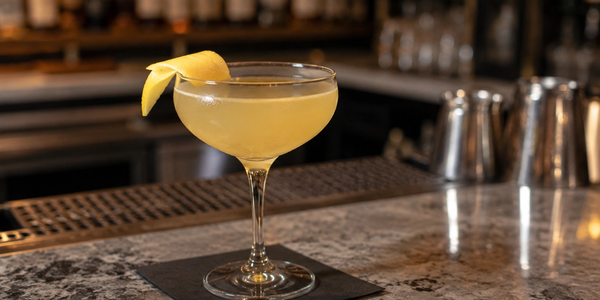
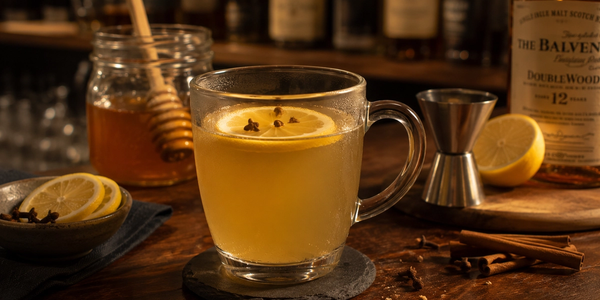
The classic Prohibition-era gin sour, sweetened with honey syrup instead of sugar.
#37
National Rank
by honey production
600
Registered Beekeepers
The USDA NASS aggregates New Mexico's commercial honey production into the "Other States" category to protect proprietary data. The state contains a vibrant community of isolated tribal, pueblo, and high-desert smallholders operating hidden backyard apiaries, meaning the true colony baseline is larger than standard surveys reflect.
Connect with these premier honey producers for the best local experience
Don't miss these exciting honey and beekeeping events in New Mexico
We couldn't find any events matching your criteria. Try adjusting your search terms or filters to discover more events.
The New Mexico Bee Act mandates that all persons keeping bees within the state must register their apiary locations annually with the New Mexico Department of Agriculture. Furthermore, the state enforces rigid quarantine and inspection laws regarding the importation of out-of-state bees or used beekeeping equipment to combat the spread of contagious bee diseases.
New Mexico Beekeepers Association
StatewideVisit WebsiteThe NMBA functions as the primary educational and regulatory voice across the state, hosting spring workshops and maintaining an active community swarm catcher map to manage feral desert honey bee movements safely.
Albuquerque Beekeepers
Visit WebsiteState Dept. of Agriculture
Apiary Program2,842 feet (Red Bluff Reservoir) to 13,161 feet (Wheeler Peak)
New Mexico is an arid, sun-drenched landscape characterized by sprawling high plains, isolated mountain ranges, and deep river cut valleys. The persistent lack of environmental moisture causes bees to produce exceptionally thick honey with very low water content, requiring robust extraction hardware but producing table honey with a long shelf life.