1
Major national producer of premium extra-light Alfalfa and Sweet Clover honey
Your Complete Guide to Fresh, Local Honey
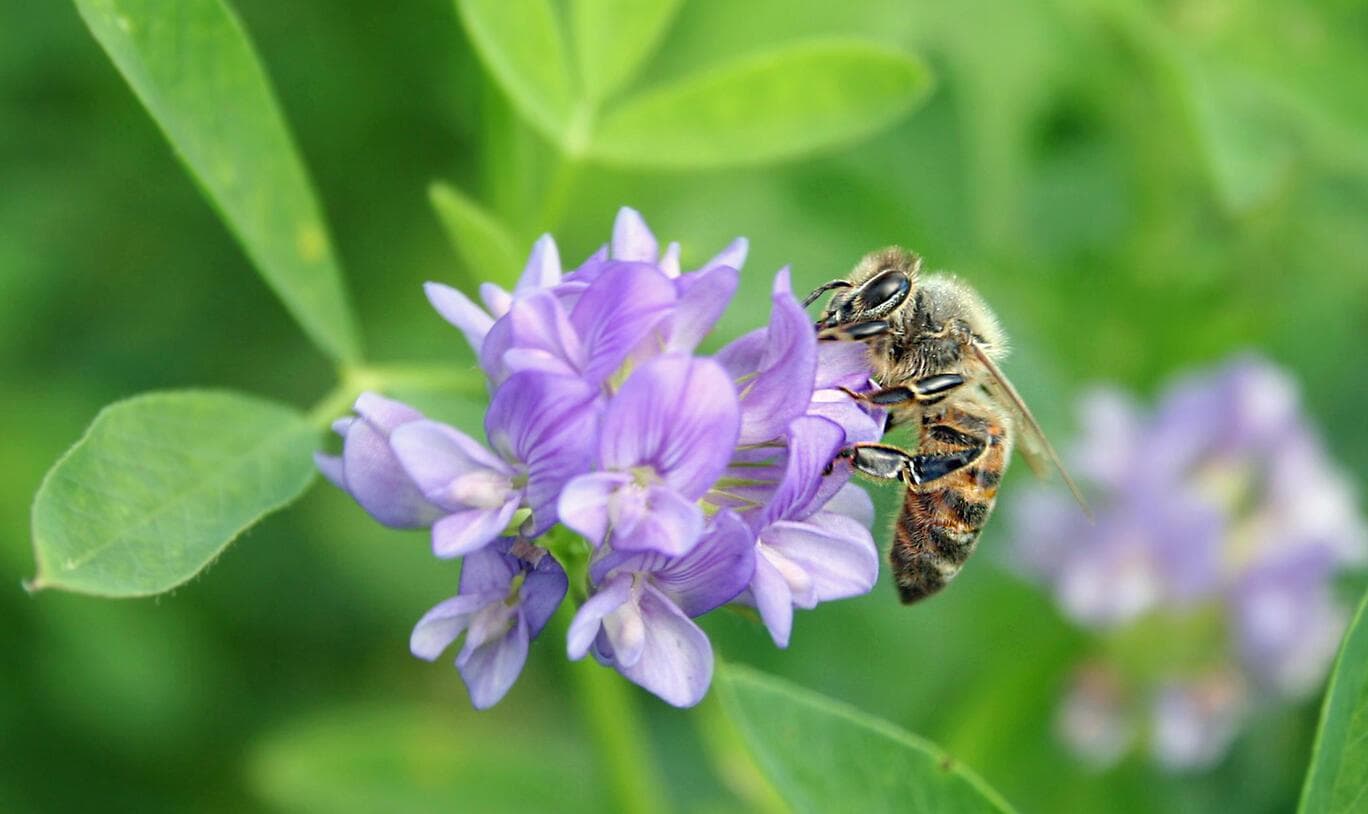
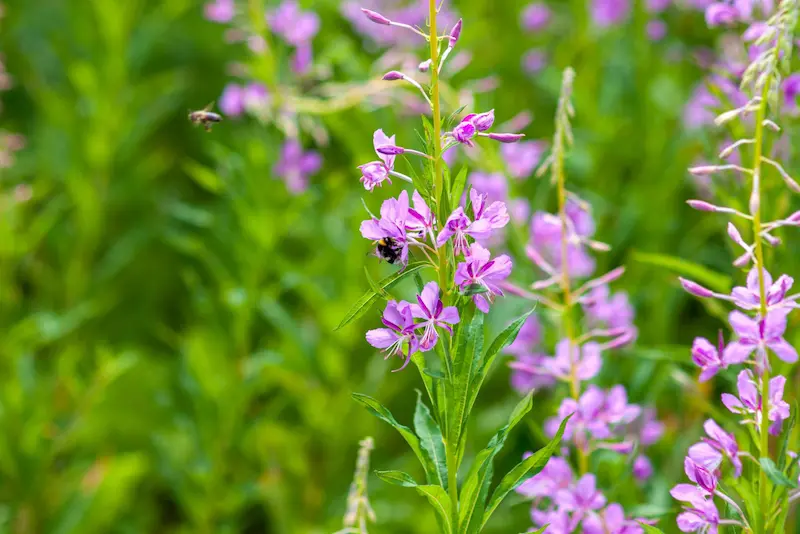
Idaho is a top-tier honey producer in the U.S., with a scene dominated by the massive Alfalfa and Clover fields of the Snake River Plain. Idaho Alfalfa honey is highly prized by packers for its consistent quality and light amber hue. The state’s mountain ranges also offer fireweed and huckleberry forage for specialized mountain apiaries.
What Sets Idaho Apart
Major national producer of premium extra-light Alfalfa and Sweet Clover honey
Irrigated agricultural fields in the Snake River Plain provide massive, reliable summer nectar flows
Northern mountain ranges offer rare, premium Fireweed and Huckleberry forage
Crucial staging ground for commercial colonies recovering from California almond pollination
Local Varietals
Syringa (Philadelphus lewisii)
Predominantly water white to extra light amber, characterized by the exceptionally mild and sweet profiles of alfalfa and sweet clover.
July,August,September
Interactive year-round nectar flow guide
Peak nectar flow: June, July, August
Bloom Calendar
Click any month on the wheel to explore local forage details.
Moderate Flow
Dandelions and early mustard weed cover the valleys and foothills, rapidly expanding colony brood production ahead of the main agricultural flow.
Idaho is a hidden heavyweight in the American honey industry, relying on its vast, irrigated agricultural landscapes to produce millions of pounds of high-quality honey each year. The apicultural epicenter of the state is the Snake River Plain—encompassing the Treasure and Magic Valleys—where thousands of acres of alfalfa and sweet clover provide one of the most reliable and heavy nectar flows in the West. This abundance makes Idaho a critical summer destination for commercial beekeepers who migrate their hives out of the California almond orchards to recover and produce surplus honey. Beyond the agricultural plains, Idaho’s rugged, mountainous panhandle and high-elevation forests host specialized apiaries that chase elusive wild blooms like fireweed and huckleberry, offering incredibly premium, small-batch varietals.
Idaho’s famous Alfalfa honey is so consistently light in color and mild in flavor that commercial packers across the country frequently buy it in bulk to blend with darker honeys, creating the standard, smooth "table honey" sold in grocery stores.
From the Blog
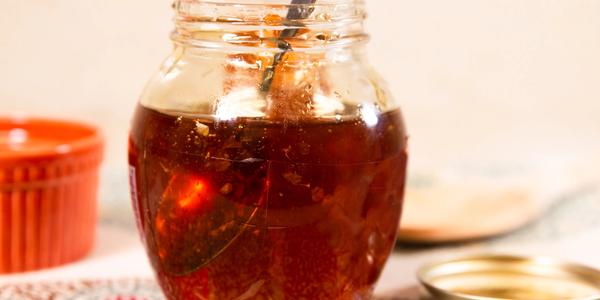
Acacia honey is sold as the diabetic-friendly honey, usually with a glycemic index of 32. That number is unsourced — here is what has actually been measured.
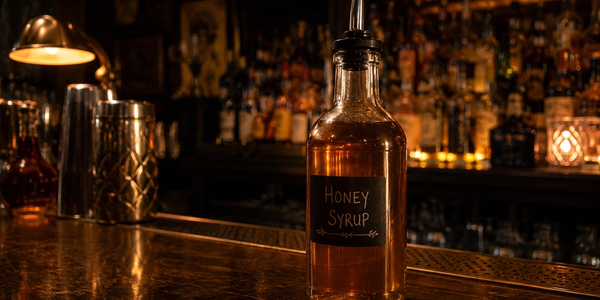
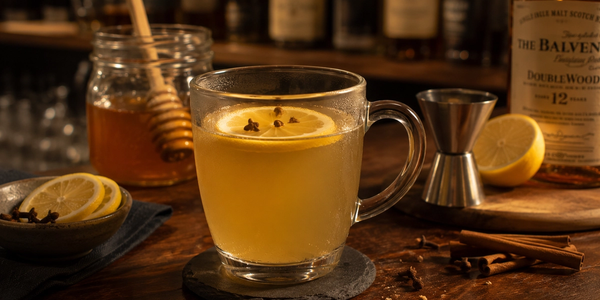
A five-minute honey syrup that blends seamlessly into shaken and stirred drinks — all the floral depth of raw honey, none of the clumping.
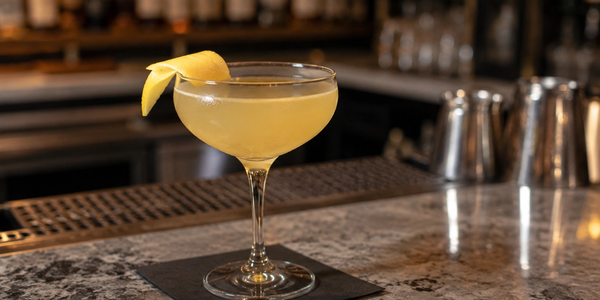
The classic Prohibition-era gin sour, sweetened with honey syrup instead of sugar.
#11
National Rank
by honey production
3.3M lbs
Annual Honey
USDA NASS 2023 Honey Report
90,000
Managed Colonies
USDA NASS 2023 Honey Report
The USDA NASS 2023 report counts 92,000 baseline colonies producing nearly 3 million pounds of honey. However, total physical colony counts within state lines fluctuate wildly, often surging past 120,000 during the peak summer months as commercial migratory operations move in from California to capitalize on the massive alfalfa bloom. Exact registered beekeeper counts are not comprehensively tracked because hobbyists with fewer than 50 hives are exempt from mandatory state registration.
Connect with these premier honey producers for the best local experience
Don't miss these exciting honey and beekeeping events in Idaho
We couldn't find any events matching your criteria. Try adjusting your search terms or filters to discover more events.
The Idaho State Department of Agriculture mandates apiary registration exclusively for commercial operators managing more than 50 hives, who must also pay a honey advertising tax. Hobbyists with fewer than 50 colonies are highly encouraged to register to assist with state disease tracking, but it is strictly voluntary. Local cities and counties retain full jurisdiction over residential backyard hive limits, setbacks, and nuisance ordinances.
Idaho Honey Industry Association
StatewideVisit WebsiteThe Idaho Honey Industry Association (IHIA) represents both commercial and hobbyist beekeepers at the state level, heavily focusing on agricultural and legislative advocacy. However, due to Idaho's vast geography, regional groups like the Northeast Idaho Beekeepers Association and the Treasure Valley Beekeepers Club handle the majority of hands-on hobbyist mentoring and local swarm retrieval.
Northeast Idaho Beekeepers Association
Visit WebsiteState Dept. of Agriculture
Apiary Program710 feet (Clearwater River) to 12,662 feet (Borah Peak)
Idaho's apicultural landscape is defined by the stark contrast between the arid, highly irrigated Snake River Plain in the south and the rugged, forested mountains of the panhandle. The southern plains support massive commercial operations feeding on agricultural runoff and irrigation, while the northern timberline provides isolated, cooler microclimates perfect for wild, late-season mountain foraging. This extreme geographical divide means colony management styles and winterization timelines differ drastically between the top and bottom of the state.