1
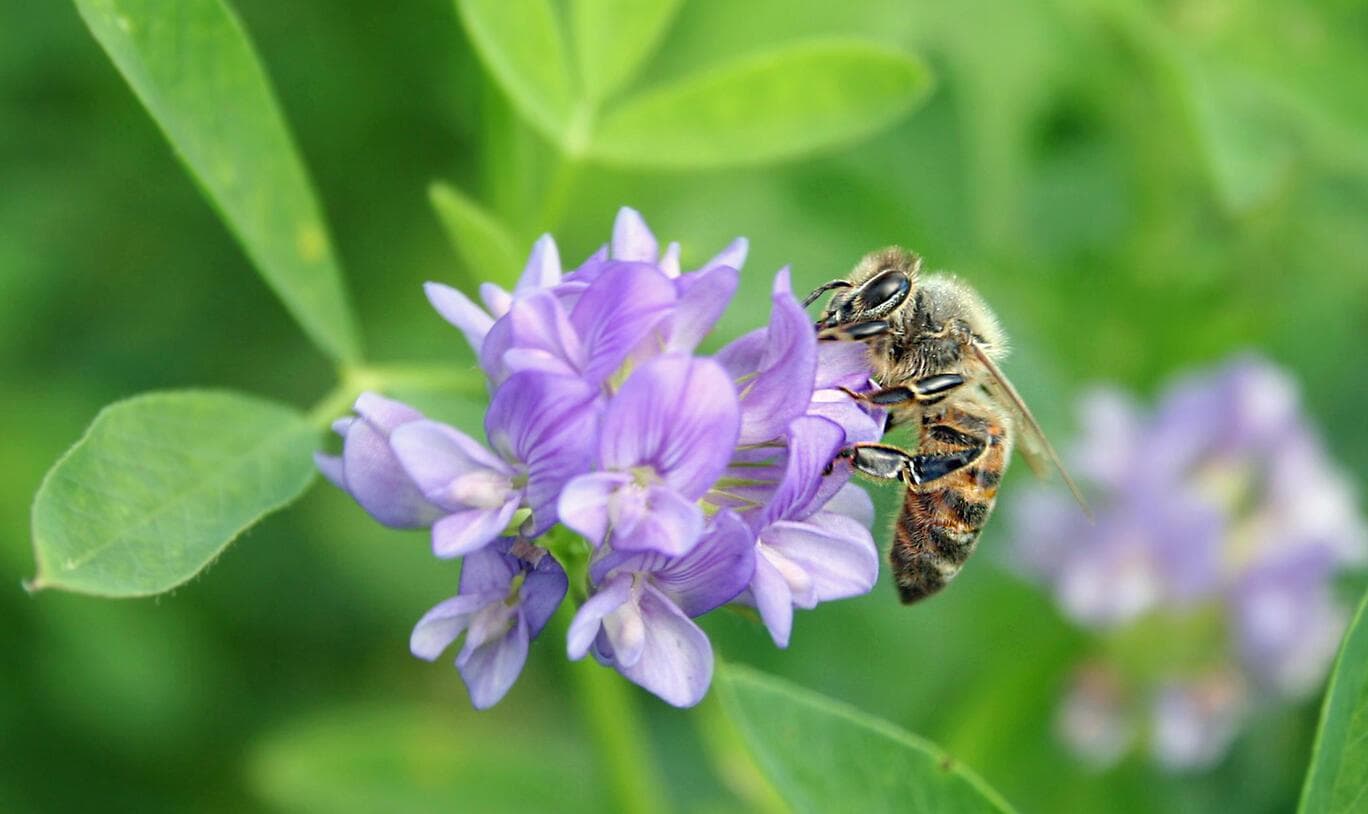
Famous for high-altitude Alfalfa and White Sweet Clover varietals
Your Complete Guide to Fresh, Local Honey
Colorado’s honey scene is defined by high-altitude floral sources. The state is a major producer of Alfalfa and Clover honey, known for their light color and mild profile. Beekeepers in the Rocky Mountains also harvest "Mountain Medley" honeys, where bees forage on gambel oak and wildflowers in a uniquely dry, crisp climate.
What Sets Colorado Apart
Famous for high-altitude Alfalfa and White Sweet Clover varietals
Arid climate produces exceptionally thick, low-moisture honey
Short, intense summer nectar flows require rapid spring buildups
Extensive urban beekeeping community concentrated along the Front Range
Local Varietals
Rocky Mountain Columbine
Extra white to light amber
July, August, September
Interactive year-round nectar flow guide
Peak nectar flow: June, July, August
Bloom Calendar
Click any month on the wheel to explore local forage details.
Moderate Flow
Spring buildup peaks. Bees forage heavily on early wildflowers and crabapples to build strong populations for summer.
Beekeeping in Colorado is a tale of extremes. From the arid eastern plains to the high-altitude Rocky Mountain valleys, beekeepers must manage intense, short nectar flows and long, brutally cold winters. The state is highly regarded for its premium White Sweet Clover and Alfalfa honeys, which thrive in the dry, sun-drenched climate. However, the short growing season means colonies must be incredibly strong by late June to capitalize on the brief summer blooms before the snows return.
Because of Colorado’s arid climate and high altitude, honey produced here often has a lower moisture content than the national average, making it exceptionally thick and resistant to fermentation.
From the Blog
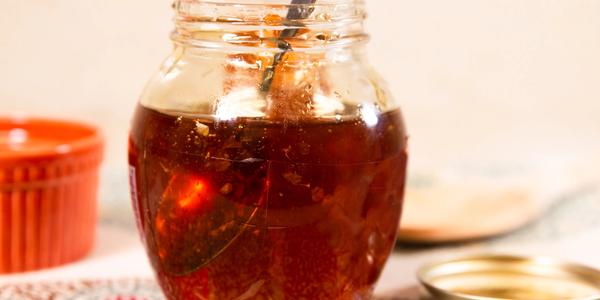
Acacia honey is sold as the diabetic-friendly honey, usually with a glycemic index of 32. That number is unsourced — here is what has actually been measured.
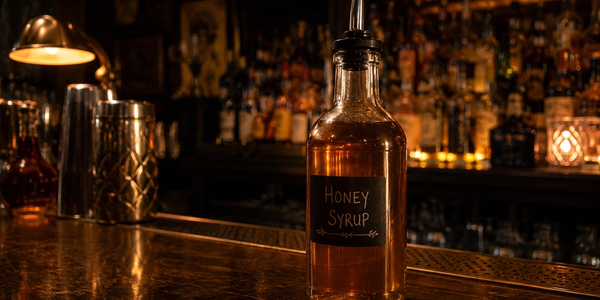
A five-minute honey syrup that blends seamlessly into shaken and stirred drinks — all the floral depth of raw honey, none of the clumping.

The classic Prohibition-era gin sour, sweetened with honey syrup instead of sugar.
#21
National Rank
by honey production
1.2M lbs
Annual Honey
USDA NASS 2023 Honey Report
31,000
Managed Colonies
USDA NASS 2023 Honey Report
Colony numbers reflect commercial operations tracked by standard USDA NASS data, though the state has a large, highly active population of urban and hobbyist beekeepers concentrated along the Front Range that are not captured in agricultural censuses.
Connect with these premier honey producers for the best local experience
Don't miss these exciting honey and beekeeping events in Colorado
We couldn't find any events matching your criteria. Try adjusting your search terms or filters to discover more events.
Colorado does not have a statewide mandatory apiary registration program. Backyard beekeeping rules—including whether hives are allowed, colony limits, and setback requirements (like mandatory 6-foot flyway barriers)—are governed strictly by local municipal and county zoning codes.
Colorado State Beekeepers Association
StatewideVisit WebsiteThe Colorado State Beekeepers Association (CSBA) acts as an umbrella organization, supporting over a dozen affiliated local and regional clubs across the state, such as the Northern Colorado Beekeepers and the Mile Hive Bee Club.
Northern Colorado Beekeepers Association
Visit WebsiteState Dept. of Agriculture
Apiary Program3,315 feet (Arikaree River) to 14,440 feet (Mount Elbert)
Beekeepers must manage immense geographic contrasts: the high-altitude Rocky Mountains feature very short, intense late-summer wildflower flows, while the arid Eastern Plains rely heavily on irrigated agricultural blooms like alfalfa. Winters require heavy hive insulation.