1
Famous for clear, water-white Fireweed honey
Your Complete Guide to Fresh, Local Honey
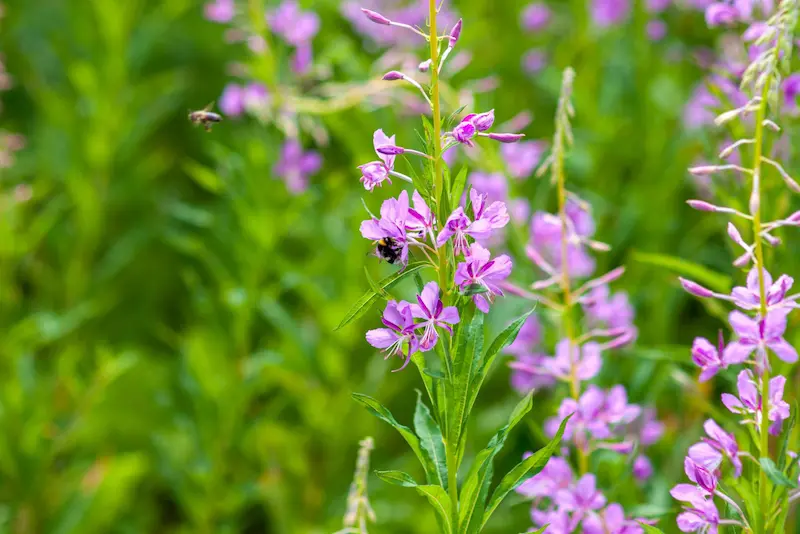
Beekeeping in Alaska is a feat of endurance and timing. Due to harsh winters, many Alaskans start new colonies each spring to capitalize on the "Midnight Sun." The primary prize is Fireweed honey—a clear, buttery premium varietal harvested as the pink blooms climb the stalks during the short but intense northern summer.
What Sets Alaska Apart
Famous for clear, water-white Fireweed honey
Driven by intense 24-hour Midnight Sun nectar flows
Predominantly relies on spring package colony installation
Strict mandatory state department registration tracking
Local Varietals
Forget-Me-Not
Water white to extra light amber
Late July, Early August
Interactive year-round nectar flow guide
Peak nectar flow: June, July
Bloom Calendar
Click any month on the wheel to explore local forage details.
Moderate Flow
The short, frantic season begins. Dandelions and wild berry bushes bloom, providing critical early nectar for the rapidly expanding hives.
Beekeeping in the Last Frontier demands an entirely adjusted relationship with seasonal clock cycles. Because overwintering success is incredibly difficult in sub-zero interiors, an extensive logistical pipeline coordinates the transport of hundreds of packages via early spring cargo flights. Once hived, these bees encounter the intense, prolonged daylight of the Alaskan summer, driving frantic foraging shifts that can fill honey supers inside a matter of weeks.
The intense 24-hour daylight allows foraging workers to operate near around-the-clock schedules during peak July fireweed spikes, yielding up to 40 pounds of comb expansion per hive weekly under optimal summer conditions.
From the Blog
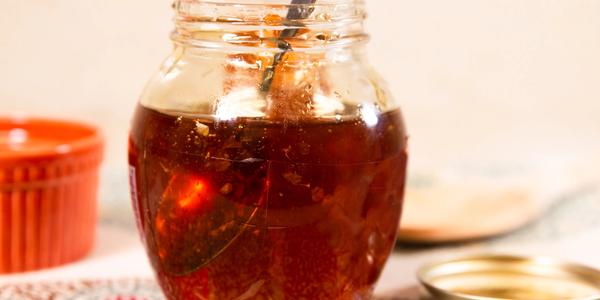
Acacia honey is sold as the diabetic-friendly honey, usually with a glycemic index of 32. That number is unsourced — here is what has actually been measured.
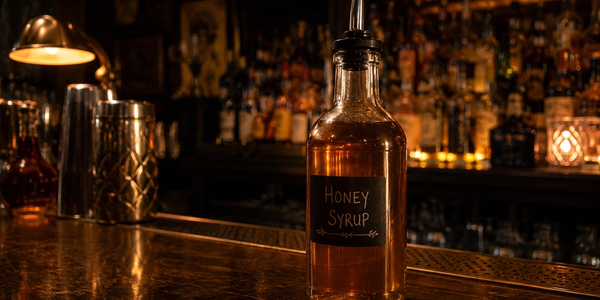
A five-minute honey syrup that blends seamlessly into shaken and stirred drinks — all the floral depth of raw honey, none of the clumping.

The classic Prohibition-era gin sour, sweetened with honey syrup instead of sugar.
29K lbs
Annual Honey
Alaska Census of Agriculture (Alaska Trends Data)
597
Managed Colonies
Alaska Census of Agriculture (Alaska Trends Data)
Alaska is excluded from standard state-by-state USDA NASS annual honey data sets because the majority of local operations maintain fewer than 5 active production hives and rely on package importation rather than overwintered colonies.
Don't miss these exciting honey and beekeeping events in Alaska
We couldn't find any events matching your criteria. Try adjusting your search terms or filters to discover more events.
Apiary registration is required by Alaska Law (AS 03.47.030). All imported bee packages must pass certification from their point of origin to prevent mite and small hive beetle expansion.
Southcentral Alaska Beekeepers Association
StatewideVisit WebsiteThe Southcentral Alaska Beekeepers Association works directly with local hobbyists to manage package importation shipping pipelines from the lower 48 states each spring.
State Dept. of Agriculture
Apiary ProgramSea level to 20,310 feet (Denali)
Drastic climatic variances exist between mild, rainy coastal fringes and severe interior permafrost zones. Short-cycle summer heat anomalies frequently trigger hyper-accelerated blossom windows.